
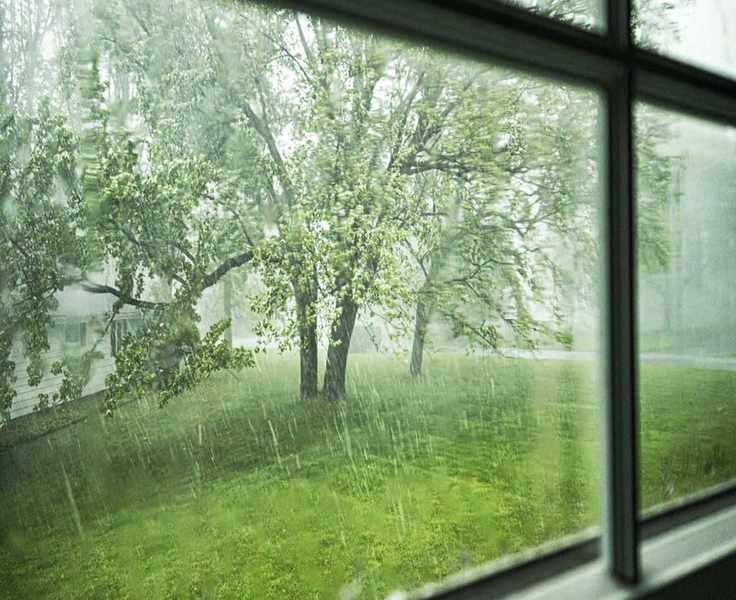
Do you notice your allergies flaring up during storms? This might stem from a phenomenon known as thunderstorm asthma, where storms release a significant amount of pollen into the air. Let's explore the causes and safety measures for homeowners.
In the US, over 80 million people, more than a quarter of adults, experience seasonal allergies. A sudden increase in pollen during a storm can lead to respiratory issues, even for those with mild allergy symptoms.
To gain insights into thunderstorm-related pollen surges, I consulted with weather and physics specialists. The widespread use of certain high-pollen trees in landscaping makes it essential for allergy sufferers to take precautions.
What is a Thunderstorm Pollen Surge?
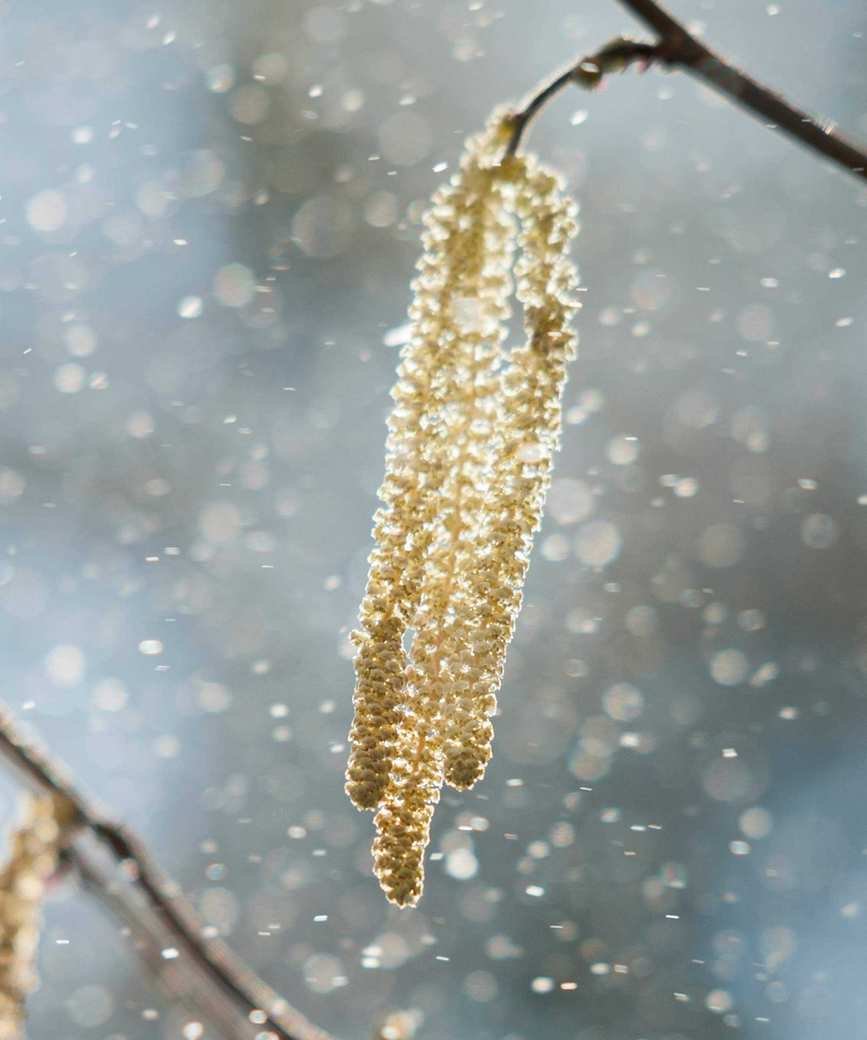
A thunderstorm pollen surge isn't a new occurrence; this natural event has been recognized for centuries, with the term thunderstorm asthma emerging since the 1980s.
According to Dr. Michael Pravica, a physics professor at the University of Nevada, Las Vegas, certain conditions during storms lead to increased pollen levels.
Rain creates a force that ruptures pollen grains, while strong winds carry the tiny particles for long distances, especially smaller grains from grasses.
'High electric fields cause charges to build up on pollen grains,' he explains. 'The repulsion from like charges can break the pollen coat, releasing proteins into the air.'
Researcher Dorothy Peteet from the Lamont-Doherty Earth Observatory notes that winds can pick up and break pollen, dispersing it further and making it more problematic.
'Pollen fragments with allergens can linger in the atmosphere longer than whole grains, due to their smaller size,' Dorothy explains. Studies show that during storms, pollen can be drawn up to cloud levels where humidity causes it to break apart.
For instance, a ryegrass pollen grain about 30 microns can fragment into over 700 pieces. These smaller allergens can penetrate deeply into the respiratory system, leading to heightened reactions.
Any pollen stirred by thunderstorms can break into numerous smaller particles, which are then inhaled by people, sometimes traveling great distances to affect allergy sufferers.
Alan Reppert, an AccuWeather allergy expert, notes, 'Strong winds can elevate pollen levels and transport it from over 100 miles away during storms.'

Michael Pravica specializes in general physics, focusing on matter research under extreme conditions.
When Are Thunderstorm Pollen Surges Most Likely?
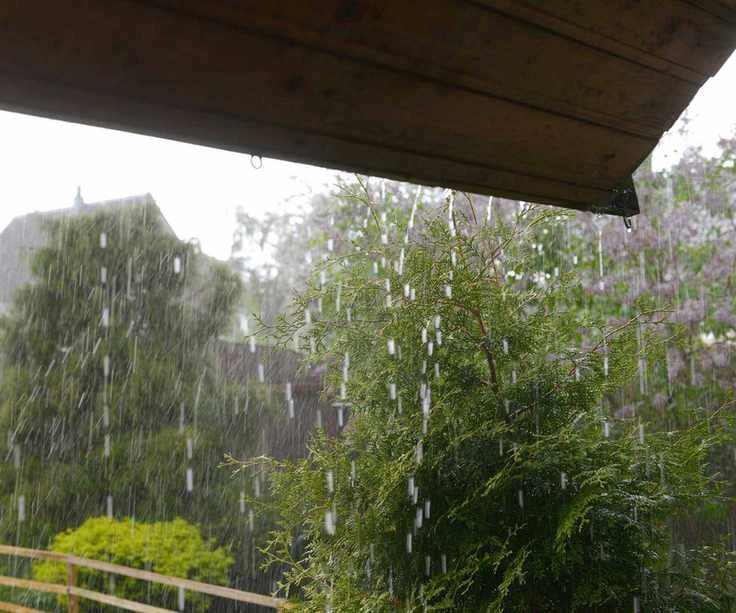
In the US, three main pollen spikes occur each year: tree pollen in spring, grass pollen in late spring or summer, and ragweed pollen in the fall from common weeds.
Timing can vary by location, but thunderstorm pollen surges generally happen in late spring or early summer when grass pollen peaks, though they can also occur during other high-pollen times.
'Most thunderstorms coincide with grass pollen season, but late-season tree pollen from species like juniper and oak can also cause problems,' Alan notes.
Weed pollen may also be stirred up during thunderstorms later in the summer and into fall. Pollen levels fluctuate with weather conditions and time of day, peaking in the morning and dropping when winds are calm. A warm, breezy day typically shows high pollen counts.
Alan adds that rainy days can help wash pollen from the air, reducing levels naturally. 'It's one of nature's ways of purifying the atmosphere.'
Protective Steps for Gardeners

Storms can break pollen into smaller pieces that can trigger severe reactions. The best way to shield yourself from these pollen spikes is to stay indoors and keep windows and doors closed.
'Using a high-quality HEPA air filter inside your home can help filter out pollen,' suggests Dr. Michael Pravica. You can find an air purifier on Amazon designed for pollen control.
If you must go outside, wearing a mask (like N95 or KN95) is advisable. Upon returning indoors, change clothes, wash them immediately, rinse shoes, and take a shower.
Consider specific planting techniques to create a low-allergen garden that minimizes pollen release, even during storms.
For example, avoid high-pollen ornamental grasses and popular plants that typically release more pollen during blooming seasons.
'Most ornamental flowers produce minimal pollen that affects people,' Alan explains. 'However, mums, daisies, sunflowers, and lilies can generate significant amounts.'
Dorothy advises opting for insect-pollinated plants over those that rely on wind for pollination.
'Tree pollen and certain grasses produce high volumes of easily dispersed pollen. These pose a greater risk compared to plants that are insect-pollinated and produce less pollen,' she clarifies.
'Minimizing the planting of ragweed, grasses, and invasive species known for high pollen output is crucial. Instead, consider roses, blueberries, and other insect-pollinating plants to lessen the impact.'
Some excellent low-pollen plants to consider for your garden include peonies, roses, snapdragons, joe-pye weed, hydrangeas, tulips, and daffodils.
Top Plants for a Low-Pollen Garden
Pink Double Knock Out Shrub Rose
This rose variety has low pollen counts due to its double blooms, which prevent pollen release. It showcases bright pink, fully double flowers that are self-cleaning, requiring no deadheading.
Garden Candy Pineapple Fizz Peony
Peonies have heavy pollen that relies on insects for pollination, making them suitable for allergy-friendly gardens. This variety reaches three feet tall and features large yellow semi-double flowers with a citrus scent.
Hydrangea Arb. 'Annabelle'
Hydrangeas have dense pollen that doesn't easily become airborne. The 'Annabelle' variety is particularly sterile, producing minimal to no pollen, with stunning white flowers that provide limited benefits to pollinators.
Finding suitable flowers to grow and display can be challenging for those with allergies. Luckily, there are beautiful cutting garden flowers that won't trigger symptoms. Check out our guide on cut flowers for hayfever sufferers for a great selection.



