
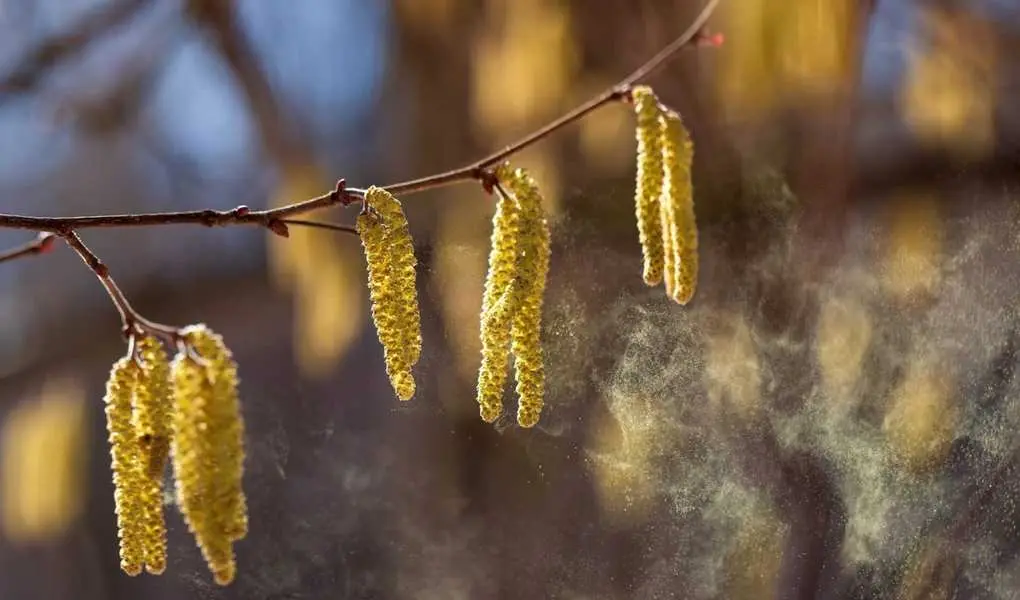
Spring brings beauty but can be tough for allergy sufferers. Around 25% of adults in the US, translating to over 80 million individuals, deal with seasonal allergies. Unfortunately, many of the trees popular in suburban landscaping release high levels of pollen.
Wind-pollinated trees are the primary culprits. Male varieties are often preferred for their cleanliness, as they don't produce messy fruit. However, this choice results in significant pollen dispersal each spring.
Leading the list of high-pollen trees are oaks, followed closely by birches and conifers like pine, cedar, and juniper. Alongside identifying these problematic trees, we also suggest low-pollen options for homeowners who garden while managing allergies and seek low-allergen landscaping ideas.
Which Trees Produce the Most Pollen in the US?
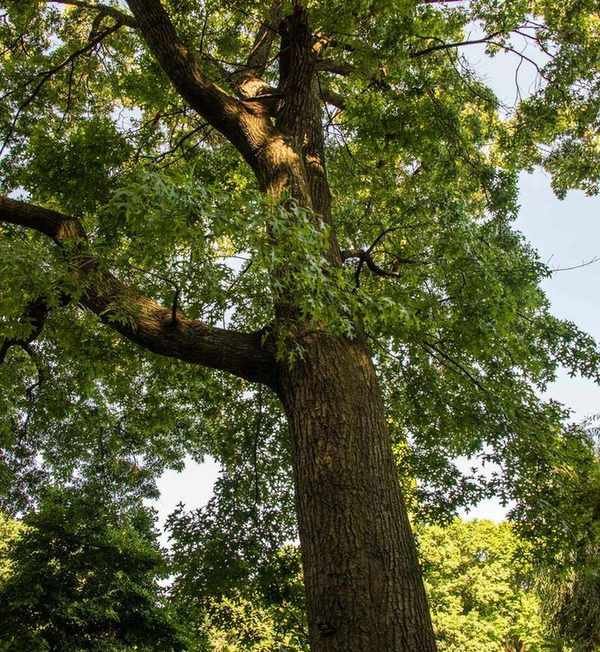
Oaks rank as the most significant pollen producers across nearly all states, except Alaska, Hawaii, and Idaho. While they are beloved for their beauty, they also heavily contribute to pollen allergies.
The prevalence of oak trees in suburban areas means millions suffer during peak pollen seasons. According to an expert, 'Oaks are notorious for massive pollen output—billions of grains annually, peaking between April and May.'
As wind-pollinated trees, oaks release considerable pollen to fertilize female flowers on nearby trees. An expert beekeeper notes that many people underestimate the extent of their pollen production.
'Oak pollen is so lightweight and plentiful that it can travel great distances before settling,' she explains. The flowers can be hard to notice, leading to frequent oversight of their allergy impact.
These historic trees include several native species. If you're considering planting an oak from an acorn, weigh the potential allergy effects on your family.
A fantastic low-pollen alternative to oaks is the dogwood tree, which is also widely appreciated in the US for its ornamental appeal and minimal pollen production.
For instance, a red dogwood tree from Fast Growing Trees is compact enough for smaller yards and offers stunning red blooms that do not rely on wind for pollination.
Other Trees That Produce High Levels of Pollen in the US
While oaks are a major issue for allergy sufferers, several other trees commonly found in urban and suburban settings also contribute significantly to pollen counts.
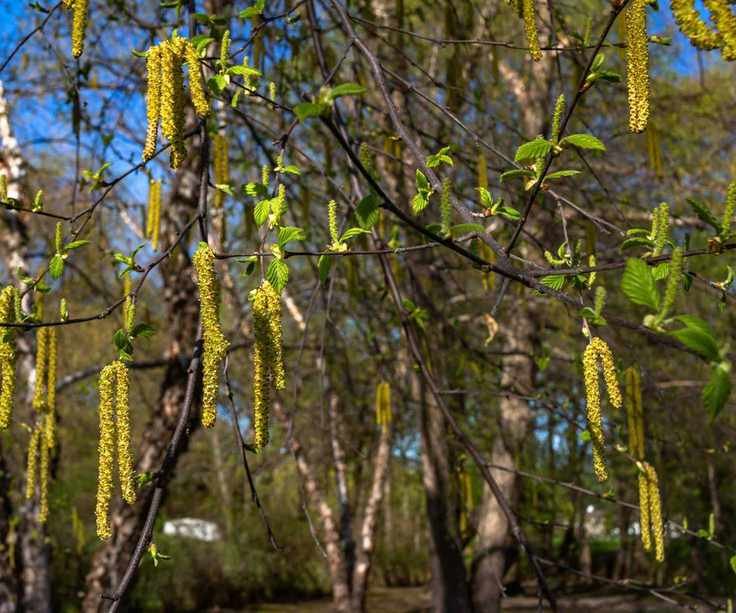
Birch trees, for example, are highlighted as another major allergen. These trees have been favored in landscaping for years, but their pollen can catch many off-guard, causing discomfort.
Multiple birch species thrive across the US, and they rely on wind to transfer pollen from male catkins to female flowers. One catkin can emit a staggering five million pollen grains.
Conifers like pine, cedar, and juniper are all evergreen trees that release fine yellow pollen that can coat surfaces in winter and early spring.
The Ashe juniper, also known as mountain cedar, causes 'cedar fever' in Texas and Oklahoma due to its high pollen output in winter. Male cones disperse pollen into the wind, allowing grains to travel far.
One expert also notes that male cultivars of ash and mulberry trees generate significant pollen each spring. Some cities, like Tucson, Arizona, have even banned mulberry trees due to their potent pollen effects.
Maple trees, while often overlooked, also produce considerable pollen early in the year. Their blooms in February catch many off-guard before allergy season ramps up.
Consider planting low-pollen trees in your backyard. Trees that either produce minimal pollen or rely on insects for pollination include magnolias, redbuds, and various fruit trees like apples, pears, and plums.
Explore Low-Pollen Tree Options
A Butterflies magnolia is a small flowering tree that thrives in USDA zones 5-9. Its yellow blooms emit a delightful lemon aroma that attracts pollinators.
An Eastern redbud bursts into bloom with lovely pink flowers in early spring. This native tree adapts well to diverse soil conditions.
Golden Delicious apples are a reliable American variety, producing a generous harvest of crisp yellow-green apples.
Choosing the right plants can be challenging when balancing gardening with allergies. Luckily, several plants can be enjoyed without aggravating symptoms. Check out our guide on flowers for hayfever sufferers for great options to grow without triggering allergies.



