With a wardrobe overflowing and limited drawer space, my clothes storage can quickly spiral into chaos.
I've explored various methods to restore order—decluttering, experimenting with different folding techniques, keeping only joyful pieces, and trying out multiple storage options.
However, I hadn't considered utilizing the Japanese principle of Mottainai for organization. So, I decided to implement it for my dresser organization.
Implementing Mottainai in My Drawer Organization
Professional organizer Di Ter Avest describes this Japanese method, stating, 'Mottainai is about not wasting resources, but it encompasses more than that.'
'It signifies respect for our belongings by using them fully and mindfully, whether it's food, time, or clothes. It serves as a reminder to cherish what we own and avoid letting items be forgotten or unused.'
This philosophy resonates with me as I organize my clothing to ensure everything is utilized, especially while embracing the underconsumption trend to prevent overshopping.
Ben Soreff, a professional organizer from House to Home Organizing, adds that Mottainai is beneficial for maximizing drawer space, as it advocates for resource respect and waste avoidance.
As I prepare to relocate, adopting Mottainai is a perfect strategy to declutter purposefully before I start packing.
Steps I Took for My Drawers
1. Empty Everything
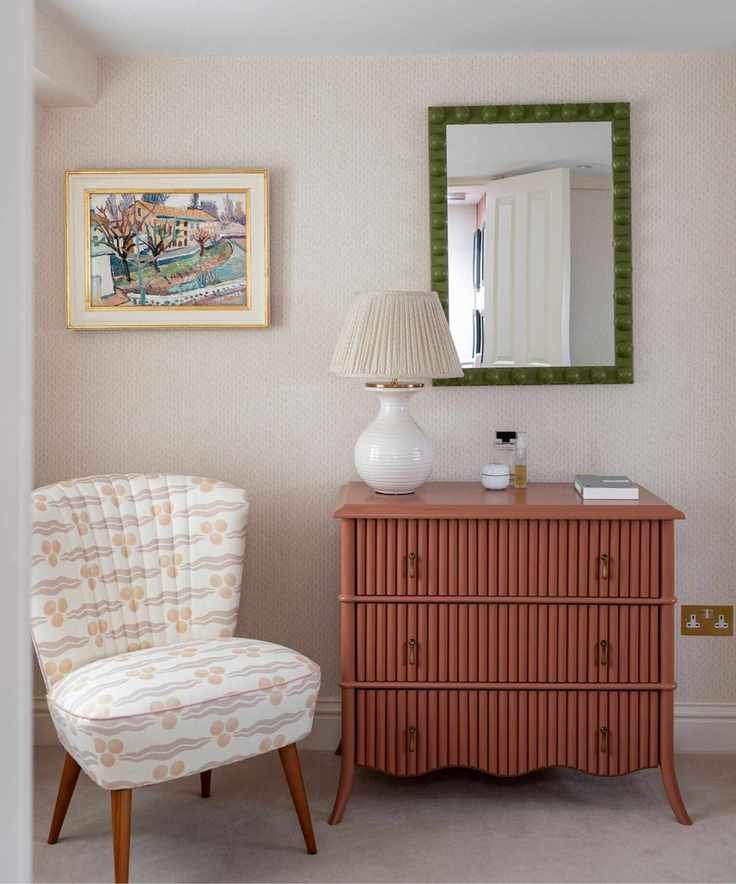
Start by removing everything from the drawers.
A successful decluttering session begins with emptying the drawers, so that's where I started.
Following the chaos decluttering approach, I knew things would look worse before they improved, so I systematically emptied each drawer.
This method kept my clothing types separated, preventing any organizational blunders since I designate a drawer for dresses, another for pants, and so on.
2. Assess Each Item

Next, evaluate each item individually.
Next came the challenging part: determining what I truly needed. I focused on Mottainai, emphasizing sustainability and waste reduction while maintaining order.
Working through each drawer, I assessed my clothes, considering when I last wore each piece and whether it would see the light of day again, drawing inspiration from the KonMari decluttering method.
To my surprise, this approach didn't push me to discard a mountain of items. Instead, it enabled me to sift through my belongings effortlessly by reminding me that not using something equated to waste, both in terms of materials and space.
Ben advises, 'People often just toss their socks in drawers and think they're organized because they're in their designated spot. But most don't take time to review.'
'Socks aren't a collection item. Once you review, you might find unmatched pairs, damaged items, or pieces that belong in another category. If it can be organized better, then it's currently wasteful.'
He suggests discarding damaged items, while donating those suitable for recycling.
3. Reorganize as You Put Away
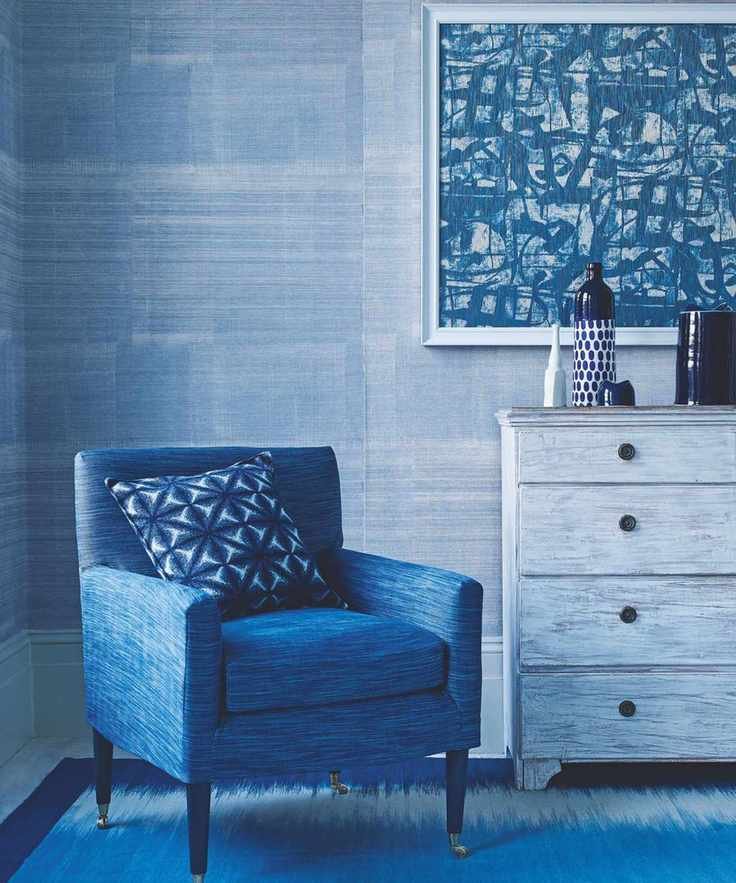
Finish by folding and reorganizing clothes as you store them.
Once I reviewed all my clothing, I applied the file folding technique to neatly store everything, ensuring each item was easy to access.
Using Mottainai to arrange my drawers has significantly transformed how I interact with my clothing, and space-saving folding has simplified finding items exactly when needed.
My Thoughts

I appreciate how 'Mottainai' promotes mindful consumption.
I'm fond of the Mottainai philosophy, especially for organizing clothes—an area where many tend to overpurchase and underutilize.
Di concurs, noting, 'It encourages you to slow down and reflect on each piece. Are you actually wearing it? Does it fulfill a need? Are you caring for it, or is it just taking up space?'
'Rather than cramming drawers full, you'll cherish and use what you value, parting with what no longer serves you. It's a small change in viewpoint, but it makes organizing feel more intentional and less daunting.'
This method worked wonders for my deep drawers, and I love that it encourages mindfulness, allowing for straightforward and guilt-free decluttering.
Product Recommendations
Prices were accurate as of publication.
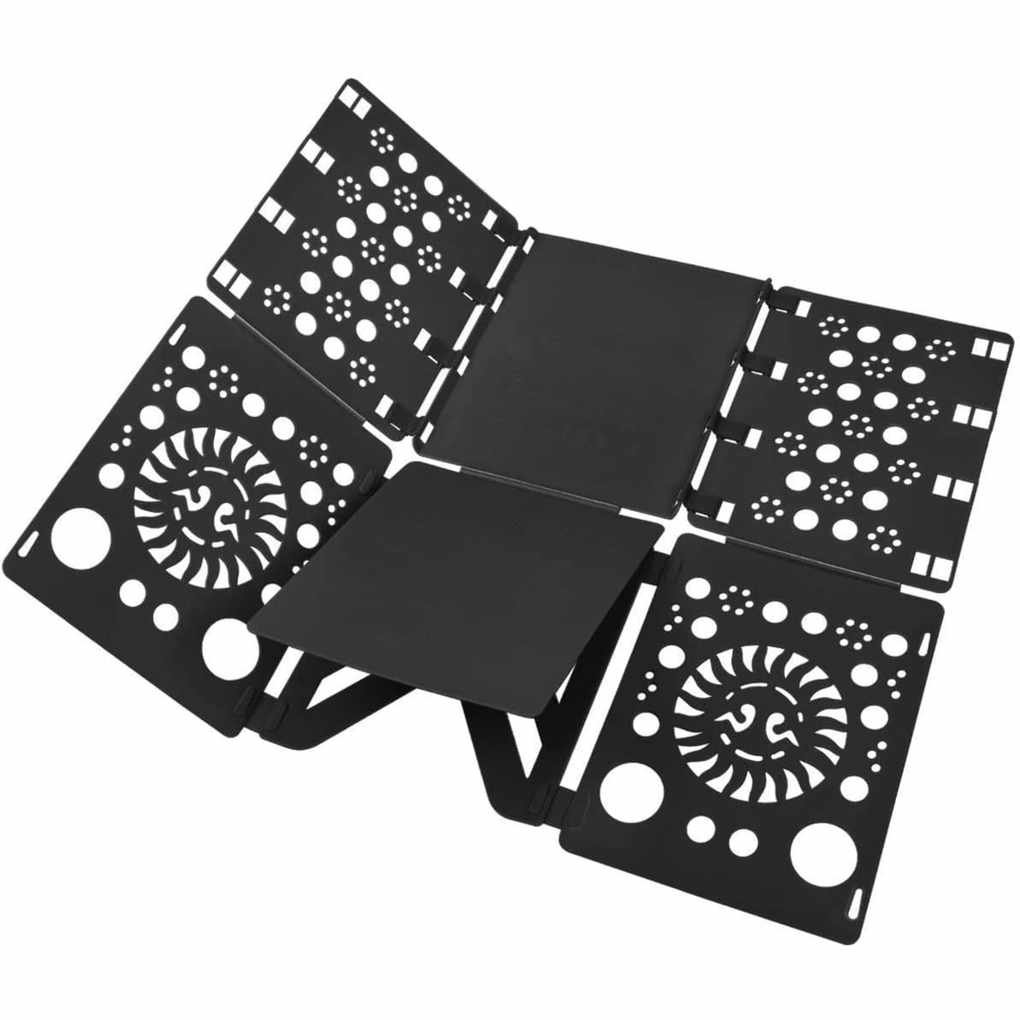 User-friendly
This folding board simplifies the task of folding clothes. Crafted from durable materials, it works well for various garments, including t-shirts, sweaters, and pants.
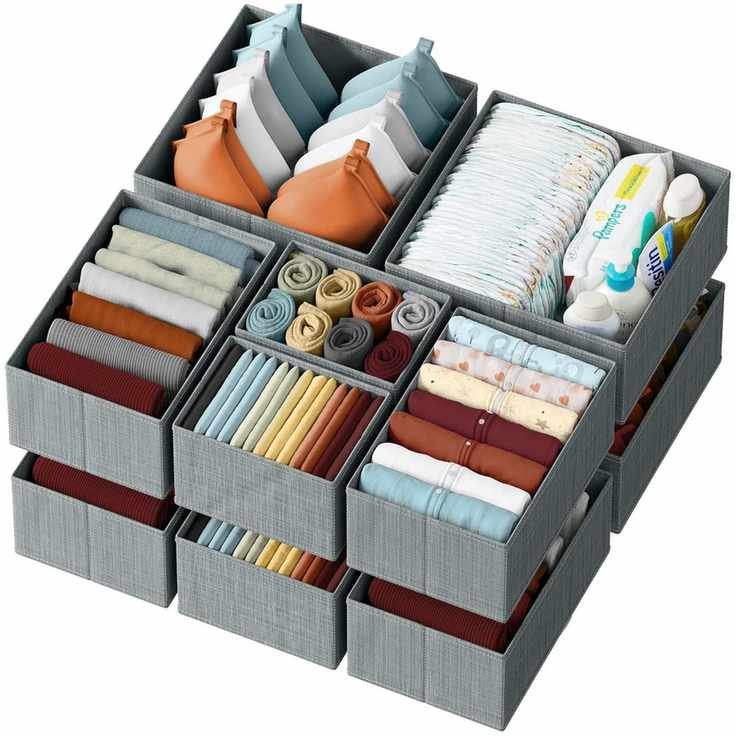 Set of 12
These organizers help maintain category order, especially when dealing with fewer larger drawers. They're collapsible and lightweight, making them easy to store when not in use.
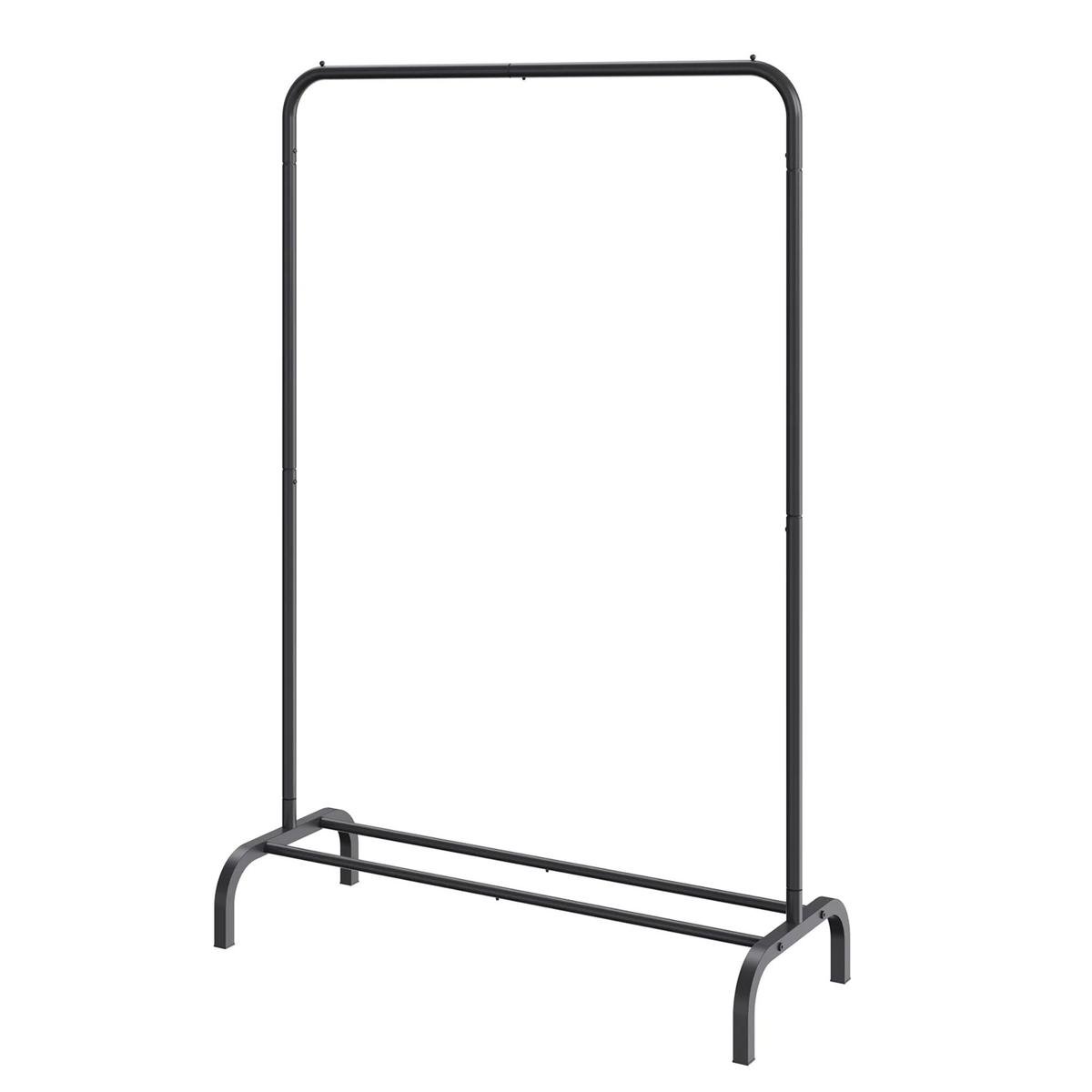 Sturdy
This clothes rail resolved my hanging space issues and could also help maximize your storage. Affordable and durable, it features anti-slip pads for stability.
Meet Our Organizing Experts

Ben possesses extensive experience with severe hoarding situations, equipping him with unique insights on decluttering without generating unnecessary waste.

Becoming a wife and mother underscored the importance of organization for Di. She has since assisted numerous clients in reassessing their relationship with clutter, employing concepts like Mottainai for space optimization.
Mottainai isn't limited to clothes drawers. Freelance writer Rebecca Shepherd applied Mottainai to her kitchen cabinets, while content editor Chiana Dickson used the principle to organize her living room shelves.