
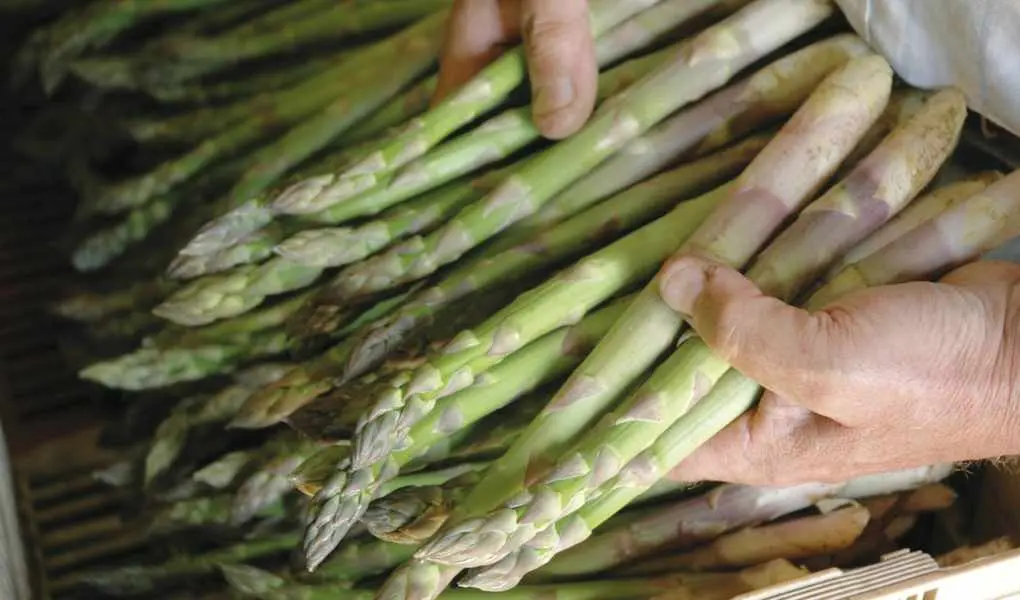
Asparagus is a delightful spring vegetable, and its tender stalks are a highlight of each growing season. Growing asparagus requires dedication, particularly in nurturing the crowns to ensure they thrive.
Once established, an asparagus crown can yield crops for many years. It's essential to fertilize at least annually, typically in the spring, to keep the plants healthy.
Understanding how to cultivate asparagus includes knowing the right times to fertilize. This is vital for maintaining production, allowing for decades of delicious spears.
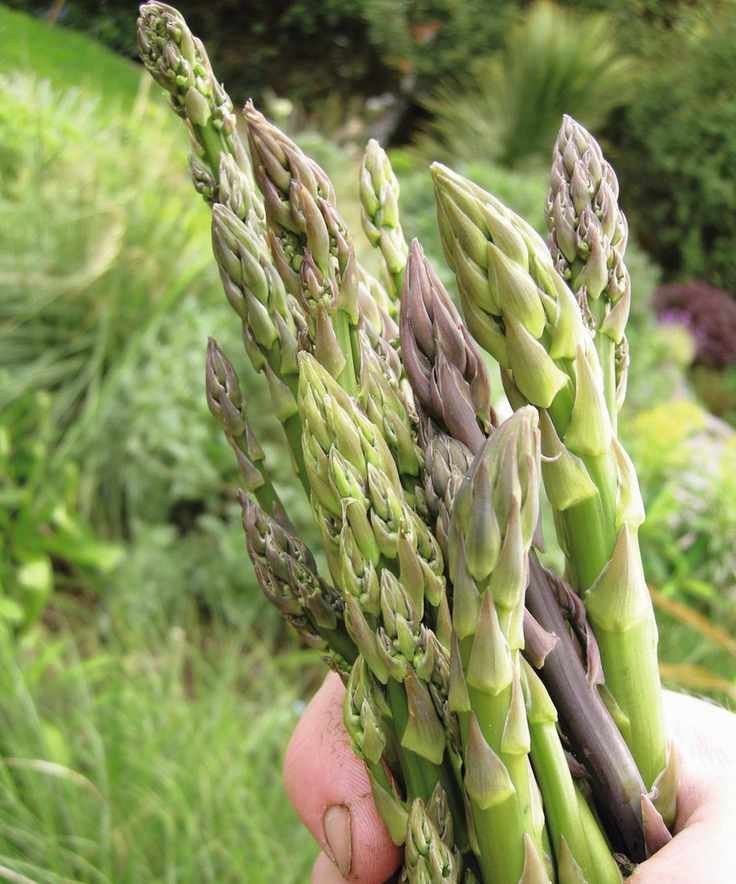
Asparagus season kicks off in spring
Optimal Timing for Fertilizing Asparagus
Fertilize asparagus in late winter or early spring, just before new growth appears. This timing provides the necessary nutrients for shoot development throughout the season. Additionally, you can apply fertilizer after the final harvest.
Patience is key when growing asparagus; there's no harvest in the first three years. During this period, fertilization focuses on building strong roots and stems. Once harvesting begins, fertilizing maintains the crowns' productivity year after year.
Purchase asparagus crowns from Burpee or Nature Hills.
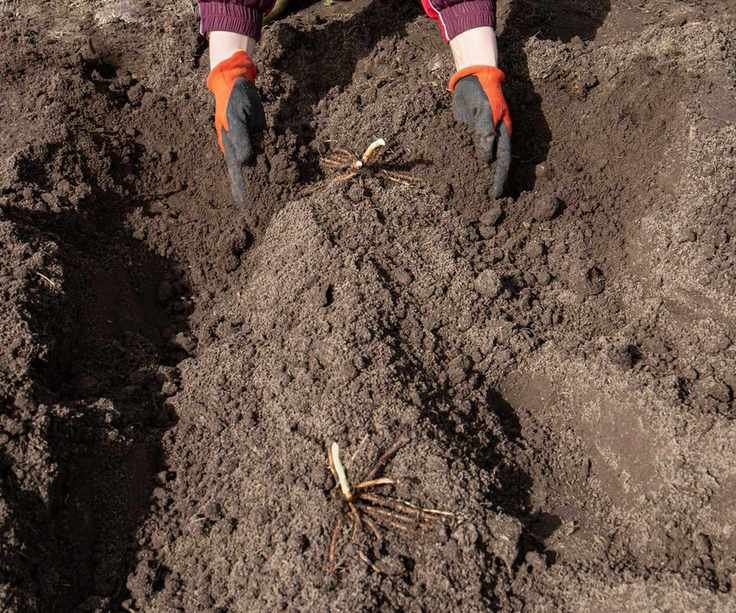
Asparagus crowns are placed on mounds within trenches filled with compost or manure
Spring Fertilization for Asparagus
Newly planted crowns require fertilizer in early spring to boost root and plant growth, helping them establish during their initial three years.
Gardening expert Christine Walkden advises feeding both new and established crowns just before they begin to sprout their first spears. In late March, apply a general fertilizer to the bed and lightly mix it into the soil. Repeat this annually until the bed is spent, which may take up to 20 years. Consider using Dr Earth organic all-purpose fertilizer available on Amazon for your vegetable beds in spring.
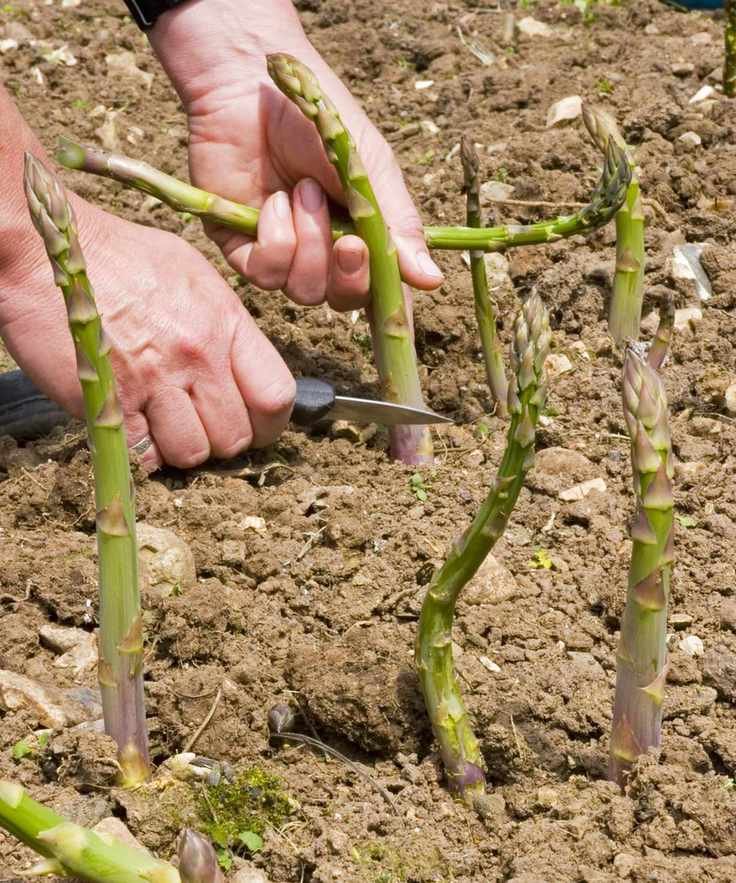
Harvest asparagus spears just below the soil surface
Summer Fertilization for Asparagus
After the final harvest, typically in June, established crowns benefit from a high-phosphorus fertilizer, like Jobe's Organics Bone Meal from Walmart, or one rich in potassium.
This fertilization encourages fern growth after harvesting, allowing the asparagus to produce foliage. This foliage stores nutrients for next year's growth, ensuring a robust spring harvest.
Fall Fertilization for Asparagus
As the season concludes, trim back the asparagus ferns. At this stage, it's beneficial to apply a layer of compost or well-rotted manure around the crowns. This practice enriches the soil with organic matter, aiding moisture and nutrient retention for the future.
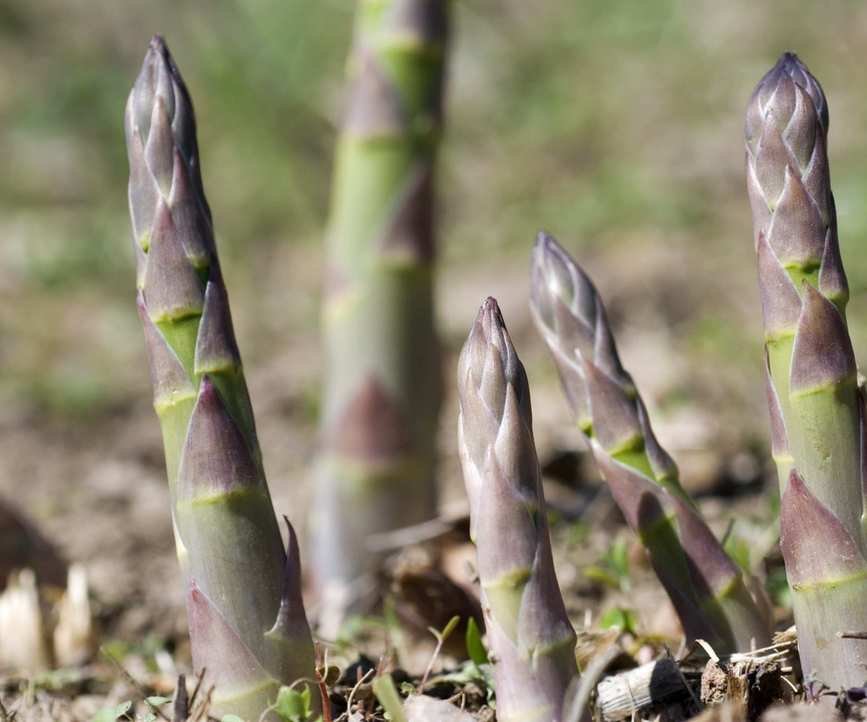
Consistent harvesting yields the finest spears
Selecting the Right Fertilizer for Asparagus
Ideal fertilizers for asparagus include manure, compost, and blood meal. Effective fertilizers should have ample nitrogen for growth and phosphorus to support root health. Blood meal is nitrogen-rich while manure and compost provide a steady nutrient release.
Lindsey Hyland, founder of Urban Organic Yield, suggests using organic, slow-release balanced fertilizers with ratios like 10-10-10 or 5-10-5. This will supply the necessary nutrients for optimal asparagus growth. A suitable product is Expert Gardener All Purpose Plant Fertilizer from Walmart.
Applying Fertilizer to Asparagus
When fertilizing asparagus, avoid direct contact with the crowns to prevent damage. Spread fertilizer around the base and gently incorporate it into the soil. This technique is ideal for slow-release fertilizers, such as Shake 'N Feed All Purpose Plant Food on Amazon. For fast-acting options like blood meal, create a narrow trench to apply the fertilizer, then cover it with soil and water thoroughly.
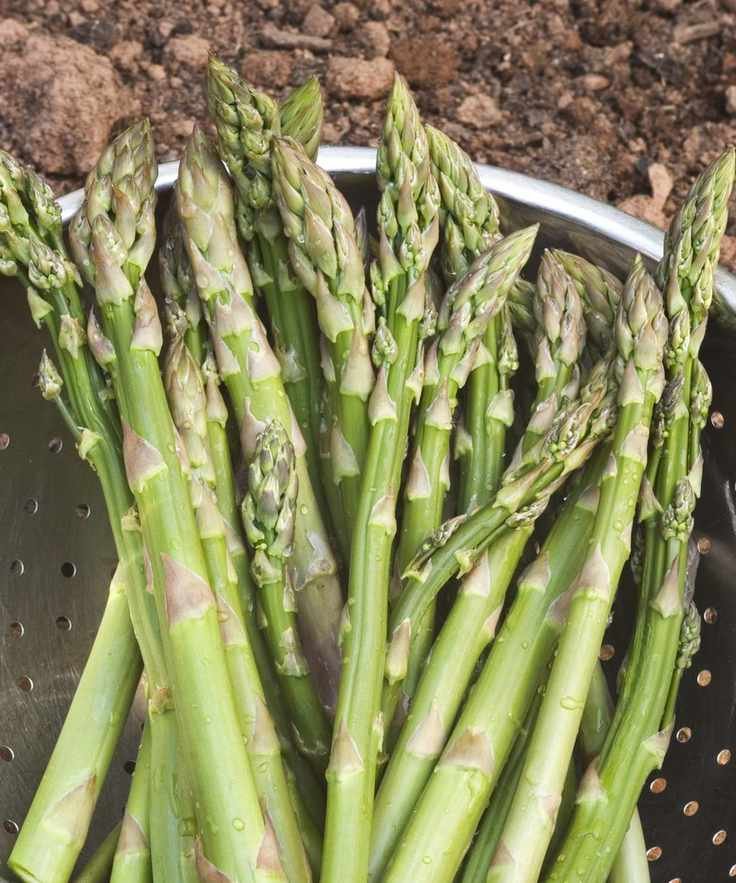
Harvest spears when they reach 6-10 inches
FAQs
Is manure beneficial for asparagus?
Well-rotted manure, including chicken, horse, and sheep manure, is excellent for asparagus. It's often used in the planting trench but can also serve as an effective mulch.
Post-harvest, well-rotted manure is ideal, while raw manure should be avoided after planting to prevent crown damage from ammonia.
Is blood and bone suitable for asparagus?
Yes, blood and bone is high in phosphorus and nitrogen. Apply it in spring, just before growth resumes. It can also be added to planting trenches with well-rotted manure or compost.
Can wood ash be used for asparagus?
Wood ash adds potassium but should be used cautiously as it can raise soil pH. Mix it with compost to ensure balanced nutrient availability.
Are coffee grounds effective as asparagus fertilizer?
Coffee grounds provide nitrogen but are acidic, making them unsuitable for direct application. Mix them with other kitchen or garden waste when composting to balance soil pH.



