
As autumn brings cooler soil temperatures, grass growth begins to wane. It's important to give your lawn one final trim before winter sets in. Proper timing is essential to avoid harming your grass's health.
To ensure your lawn thrives, aim to mow before the first hard frost arrives. Monitoring temperature drops will help you gauge when it's time.
When planning your final mow, adjust your mower's height to leave the grass slightly longer. This helps insulate the roots against harsh winter conditions, promoting a healthy resurgence in spring.
Timing Your Last Mow Before Winter
The ideal moment for that last mow varies based on your location and US hardiness zone, which affects when grass transitions to dormancy.
Experts share their insights on how to know when it's time for that final cut.
Indicators for Your Last Mow
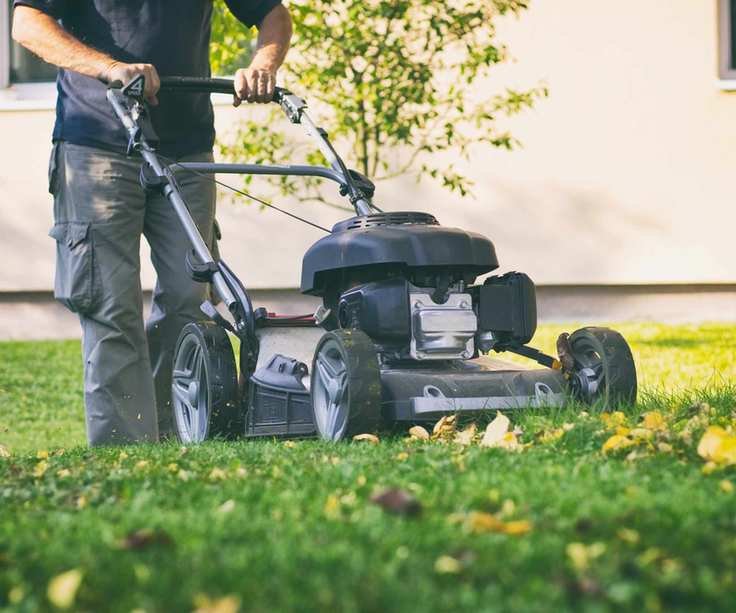
Most grass types enter dormancy when temperatures consistently dip below 50°F. This temperature drop acts as a clear cue for scheduling your final mow.
Warm-season grasses slow down around 60°F, while cool-season varieties begin to reduce growth as they hit the 50°F mark.
Jeremy Yamaguchi, former CEO of Lawn Love, advises keeping an eye on the weather. Mow when temperatures are expected to drop below 50°F.
He explains: 'When temperatures fall below this threshold, most grass goes dormant and doesn't require mowing anymore. In regions like the Midwest, this typically occurs by early to mid-October, while areas such as the Southwest may wait until late November or early December.'
Sarah Jameson, founder of Lawn Chick, echoes this sentiment, emphasizing that cooling temperatures signal the lawn's readiness for dormancy and indicate it's time for the last mow.
She also highlights the importance of the first hard frost forecast. 'While frost may appear on your lawn during chilly mornings, the first hard frost is a significant marker,' she notes. 'Your final mow should happen just before this frost to keep your grass healthy through winter.'
Essentially, by observing the weather, you can determine when to store your mower away until spring.

Sarah Jameson runs LawnChick.com, a resource that guides homeowners to achieve vibrant lawns, reaching millions annually.
Essential Fall Lawn Care for Spring Growth

The transition from fall to winter is crucial for lawn health. Sarah Jameson mentions that actions taken during this period can significantly affect spring growth. Your approach to fall lawn care influences the long-term vitality of your grass.
Optimal Cutting Height
Avoid cutting grass too short for winter. Sarah recommends keeping a height of about 2.5 to 3 inches for most lawns.
By raising your mower for those final cuts, you allow longer blades to provide extra protection during the cold months. New mowers usually offer adjustable height settings, such as the Soyus mower available on Amazon, which features five height options.
Benefits of Mulching
Using a mulching mower, like the cordless Litheli model available on Amazon, can be advantageous. It finely chops grass clippings and fallen leaves, enriching the lawn with valuable nutrients as they decompose.
However, leaving a thick mat of leaves during winter can smother the grass beneath. Regularly remove leaves to prevent this issue and consider composting them or using them as mulch in your garden. It's an excellent way to recycle autumn foliage.
Keep Grass Dry
Finally, mow only when the grass is dry. This can be challenging during moist fall days, but it benefits your lawn. Mowing wet grass leads to uneven cuts and can clog your mower, causing damage or leaving messy clumps.



