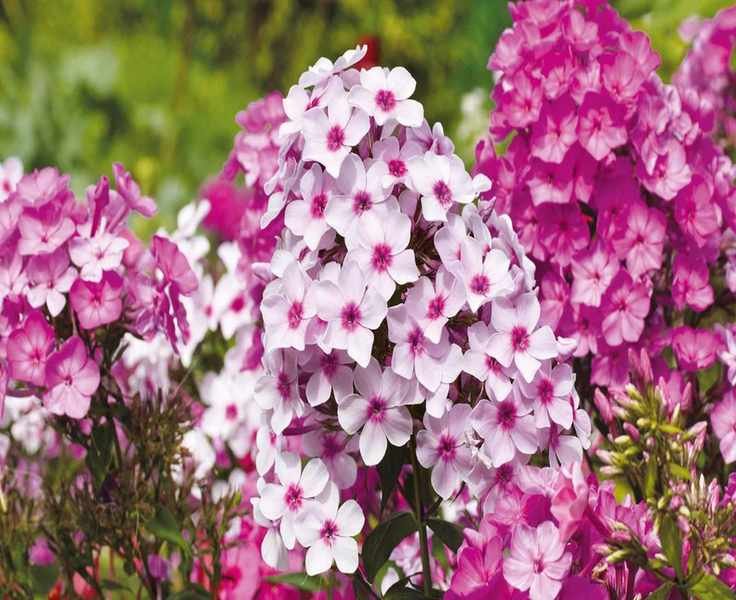
Phlox are vibrant, easy-care plants that bloom beautifully in various colors throughout summer. Minimal annual maintenance helps them thrive, with one key task being when to prune them back.
With various species available, you can find tall border perennials for flower beds that need annual cuts after flowering, either in fall or spring. Creeping phlox also require cutting but should be pruned in summer right after blooming.
Choosing when to cut back phlox involves weighing the benefits and drawbacks of pruning in late fall versus early spring. Let's explore the insights on both methods.
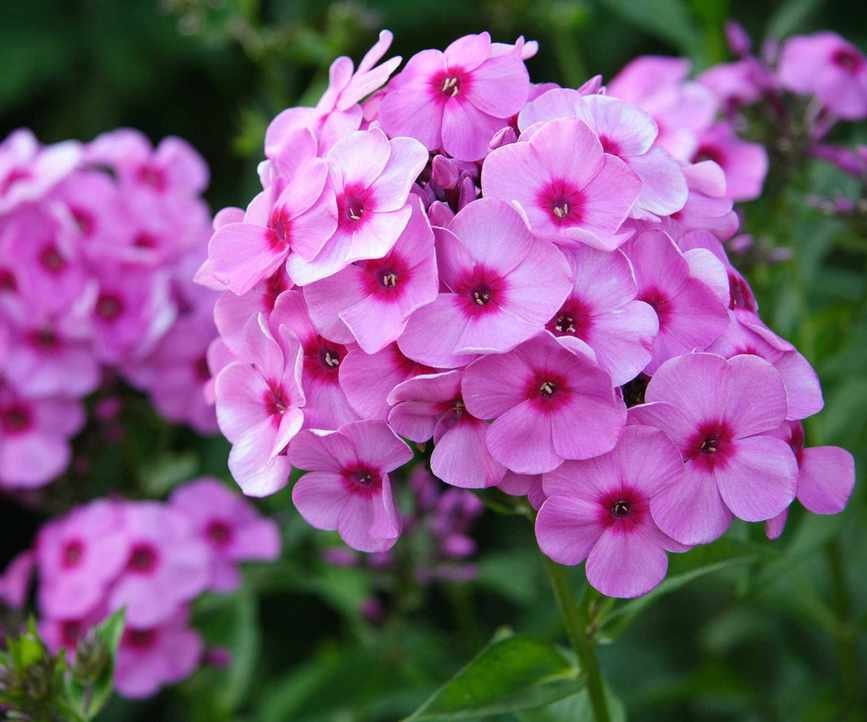
Phlox flowers grow densely in panicles
Should You Prune Phlox in Fall?
Phlox are wonderful additions to any flower bed or herbaceous border, contributing to that charming cottage garden vibe in your backyard. Plant border phlox in sunny spots for abundant blooms all summer. Regular deadheading promotes longer flowering periods, and ensuring adequate watering during dry spells is essential.
As the flowering season wraps up, it's time to prune. This task often takes place in fall or winter, but wait until the foliage has died back; cutting too early means losing out on blooms.
A horticulturist suggests waiting until after frost has darkened the leaves and stems before trimming phlox for the winter.
Cutting back phlox in fall is crucial for preventing powdery mildew. This fungal disease can thrive in cool, wet conditions, and pruning in fall helps mitigate its spread. Disposing of affected plant material and cleaning tools post-pruning is vital to avoid transferring pathogens to other plants.
Besides preventing mildew, fall pruning also tidies up the garden and reduces the chance of pests overwintering in decaying foliage.


Can Phlox Be Cut Back in Spring?
If you prefer to prune phlox in early spring instead of fall, that's also a viable option. In this case, wait until new growth appears before heading out with your shears.
For those interested in creating a wildlife garden, leaving phlox standing through winter can provide critical food and shelter for birds and beneficial insects. Dried seed heads can enhance your winter landscape, especially when dusted with frost.
Your choice to cut back phlox in fall or spring may depend on your garden type and hardiness zone. Milder winters may allow for leaving phlox uncut until spring, while late spring frosts could damage new growth if not protected by old foliage.
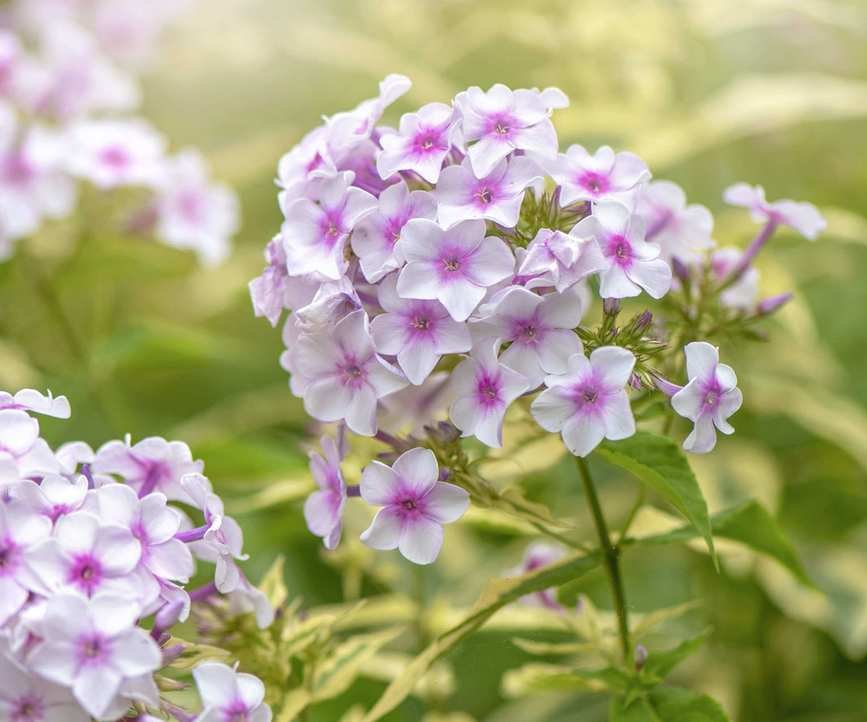
New growth appears in spring for phlox
Pruning Phlox: Best Practices
Before cutting back, always use clean and sharp pruning shears to prevent spreading diseases. If powdery mildew is present, sterilizing tools is crucial to avoid contaminating healthy plants. You can use disinfecting wipes available online for easy cleaning.
Trim all stems to about 2-3 inches above ground level. While this may seem drastic, it's beneficial for the plant's health as phlox are perennials that regrow each spring. Regular pruning is essential for maintaining vitality.
Remember not to add trimmed foliage to your compost, as it can harbor fungal issues.
For effective cuts, consider using Fiskars Bypass Pruning Shears, ideal for cutting herbaceous plants like phlox.
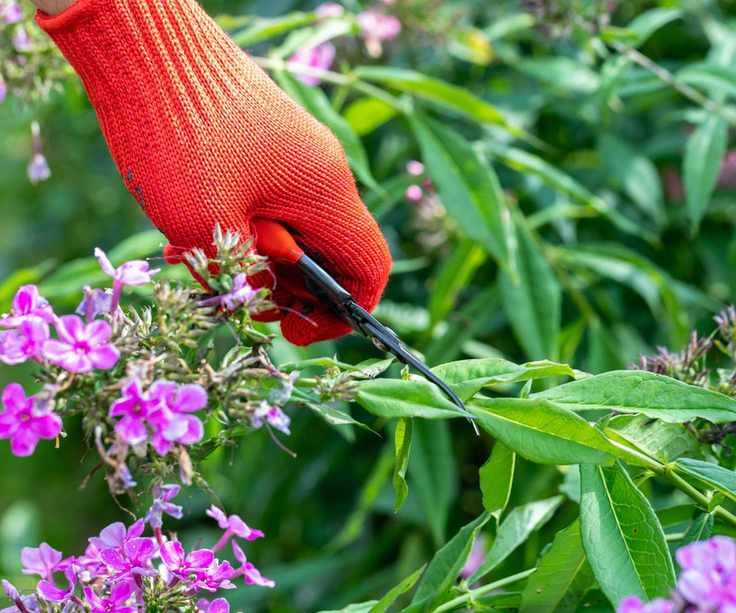
Annual cuts help rejuvenate phlox plants
Pruning Creeping Phlox
Creeping phlox differs from tall border varieties. Both types need annual pruning, but the timing and methods vary. Creeping phlox should be cut back right after flowering during summer. This variety is less prone to powdery mildew and is pruned mainly for aesthetic control.
Common Questions
Will Phlox Return Each Year?
Phlox are reliable herbaceous perennials that reappear yearly, offering vibrant blooms in summer. They attract butterflies and pollinators, requiring minimal maintenance. They're drought-resistant, benefit from spring mulching, and need to be weeded regularly. Aside from deadheading, annual pruning ensures healthy growth.
Should Phlox Be Cut After Flowering?
Yes, it's advisable to prune phlox after their blooming period to enhance their health. Since they are prone to powdery mildew, which can survive winter, cutting back old foliage is beneficial to prevent health issues in the coming seasons.
Phlox are dependable plants that grow into large clumps over time. Dividing them every few years can prevent overcrowding and generate new plants for other areas of your garden.