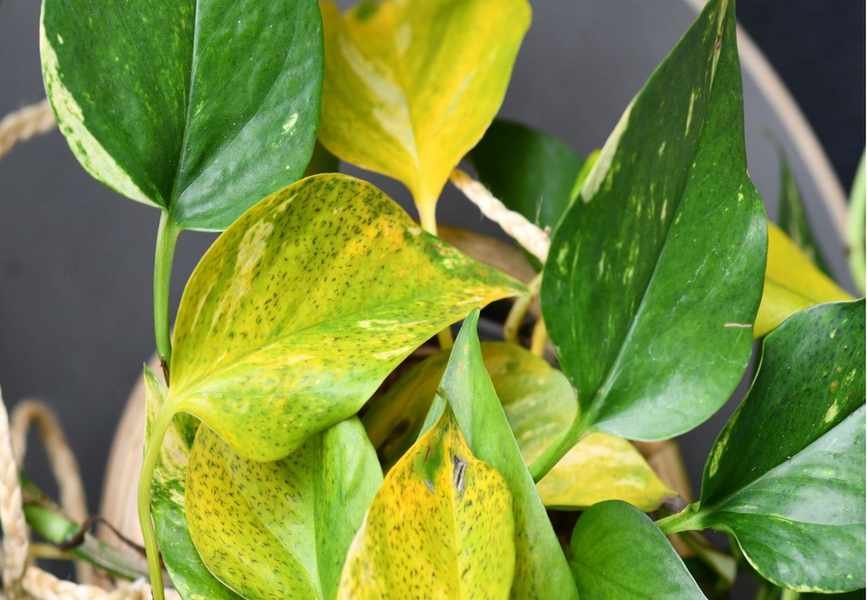
Seeing your houseplants struggle can be disheartening. Yellowing leaves, drooping, or wilting can make you anxious about your plant's health.
Pothos, also known as devil's ivy, thrive in various home environments. Following basic care tips will keep your pothos vibrant. However, certain common mistakes can lead to yellowing leaves.
If you notice color changes in your pothos, it signals that something's off in its growing conditions. Don't fret—these issues are typically easy to fix. Here are the most frequent reasons for yellow leaves on your pothos and how to address them.

Why Are My Pothos Leaves Yellowing? Quick Overview:
Pothos are easy indoor plants, yet they can still face problems leading to yellow leaves. Common causes include:
- Overwatering
- Excessive direct sunlight
- Inadequate light
- Poor temperature
- Insufficient drainage
- Repotting errors
- Fertilizer issues
- Aging leaves
- Pests or diseases
Once leaves turn yellow, they usually won't revert to green, as the plant absorbs remaining nutrients before the leaf dies. However, nutrient-related issues can sometimes be remedied, restoring vibrancy to your pothos.
9 Reasons Why Your Pothos Leaves Are Yellowing
Pothos plants have long, trailing stems, making them popular for hanging baskets. However, incorrect conditions can lead to yellow leaves. Here are nine common causes and their fixes.
1. Overwatering Your Pothos
One major reason for yellowing leaves is inconsistent watering, especially overwatering. Pothos prefer to dry out between waterings. Overwatering can lead to root rot, which is indicated by mushy, brown roots.
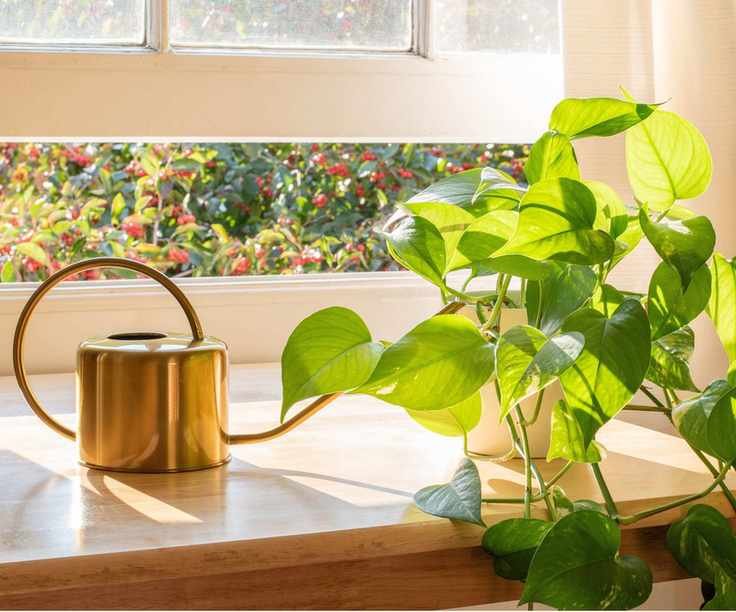
According to plant expert Lindsay Pangborn, water your pothos when 50 to 75 percent of the soil is dry. This reduces stress on the plant and helps prevent yellow leaves. When watering, use a pot with drainage holes and allow water to flow out freely.
Yellowing can also occur if the soil dries out too much. Avoid letting the potting mix dry completely, as this stresses the plant, particularly the oldest leaves. Consider using filtered or rainwater, as chemicals in tap water can affect your plant's health.

2. Too Much Direct Sunlight
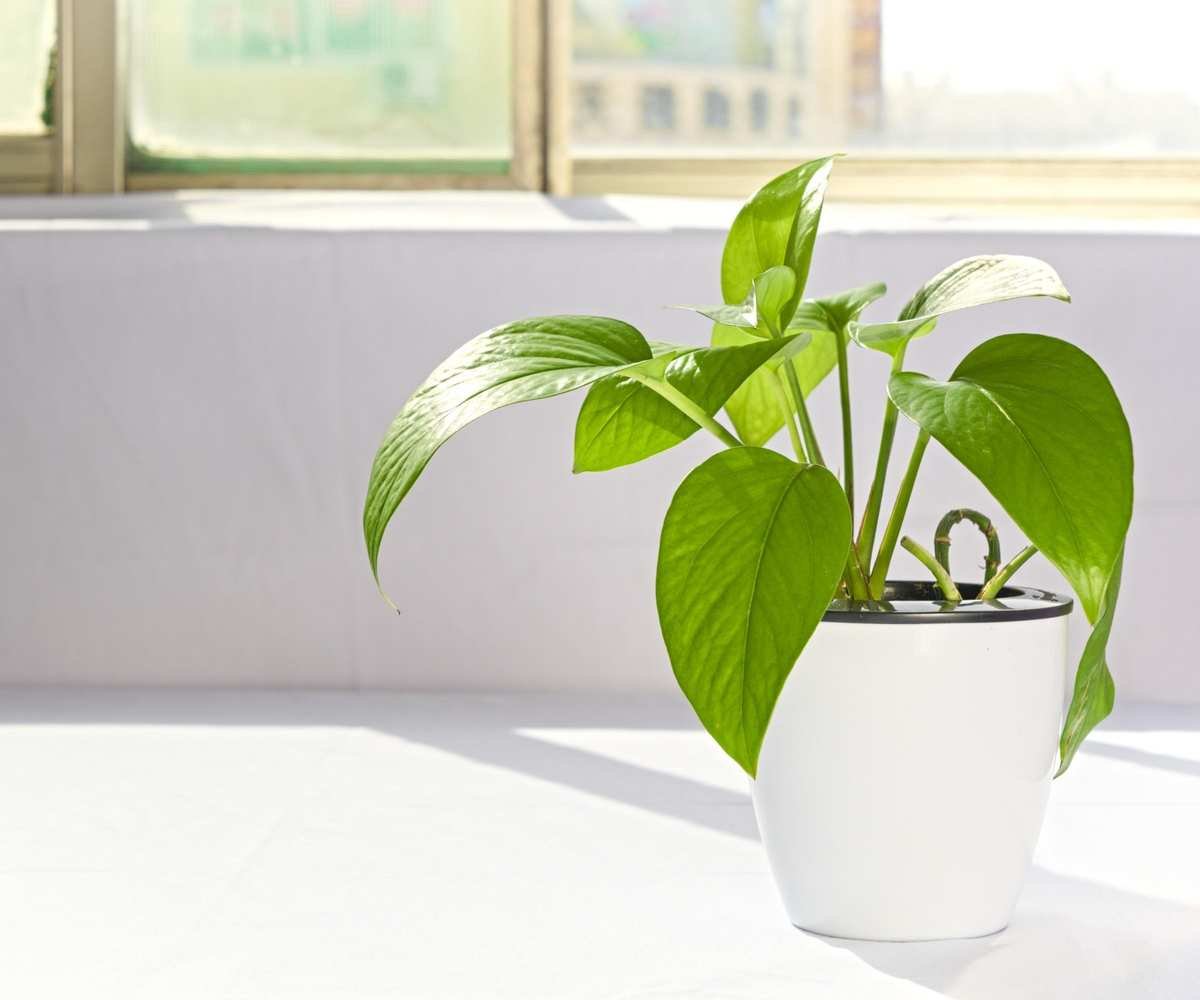
While many indoor plants thrive in bright sunlight, pothos do not. Excessive direct sunlight can cause leaf scorch, resulting in yellow and wilting leaves.
To protect your pothos, consider using sheer curtains to diffuse strong light or place them where they receive bright, indirect light.
3. Insufficient Light
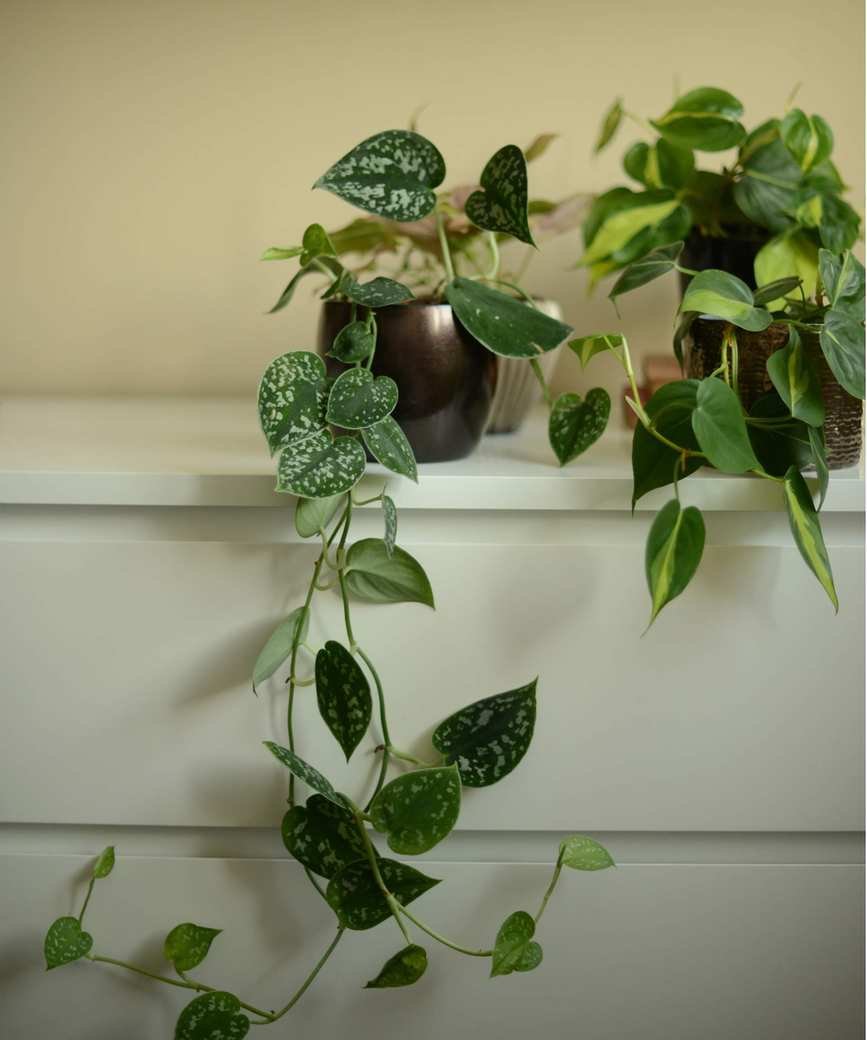
Pothos can adapt to various light conditions. However, a sudden move to low light can cause yellowing as the plant struggles to photosynthesize. If transitioning to a lower light area, do so gradually over a week.
For optimal growth, place pothos near northern or eastern windows, as they still need some indirect light to thrive.
4. Incorrect Temperature

Pothos prefer temperatures between 65-85°F. Significant fluctuations in temperature or humidity can stress the plant, leading to yellow leaves. During winter, drafts from windows or vents can contribute to discoloration.
To maintain humidity levels between 50-70 percent, consider using a hygrometer to monitor humidity levels.
5. Poor Drainage

Poor drainage can also result in yellow leaves. If water remains in the cache pot for over 30 minutes, the roots may drown. Plants need oxygen, so ensure good drainage.
Always use pots with drainage holes and remove excess water from saucers to prevent root rot.
6. Repotting Errors
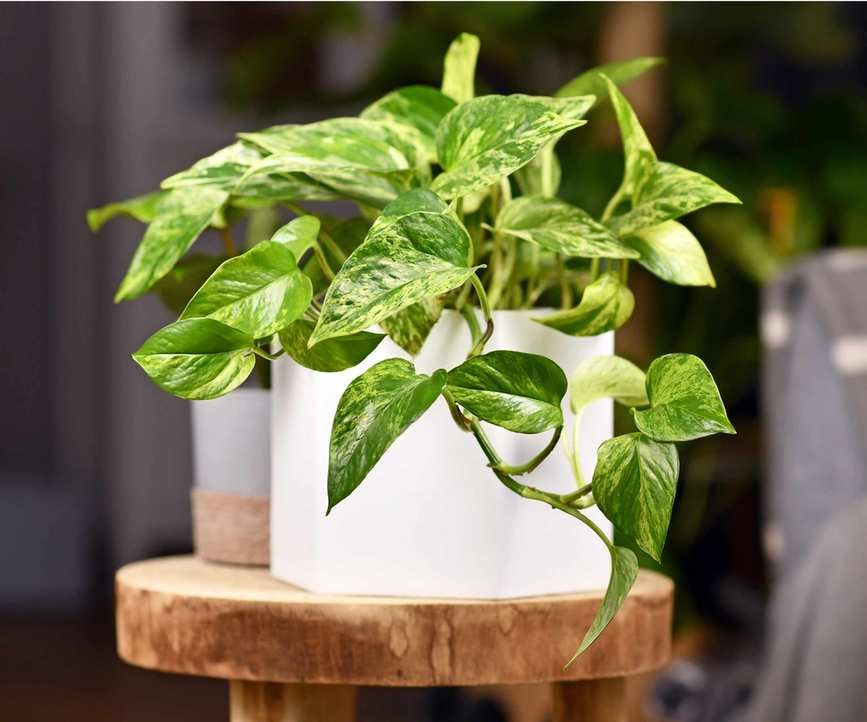
If your pothos is becoming root-bound, it may need repotting, as cramped roots can lead to yellow leaves. When repotting, choose a pot slightly larger than the current one to avoid soggy soil.
Check for rotted roots during repotting, as this may also necessitate a fresh potting job.
7. Improper Fertilizing
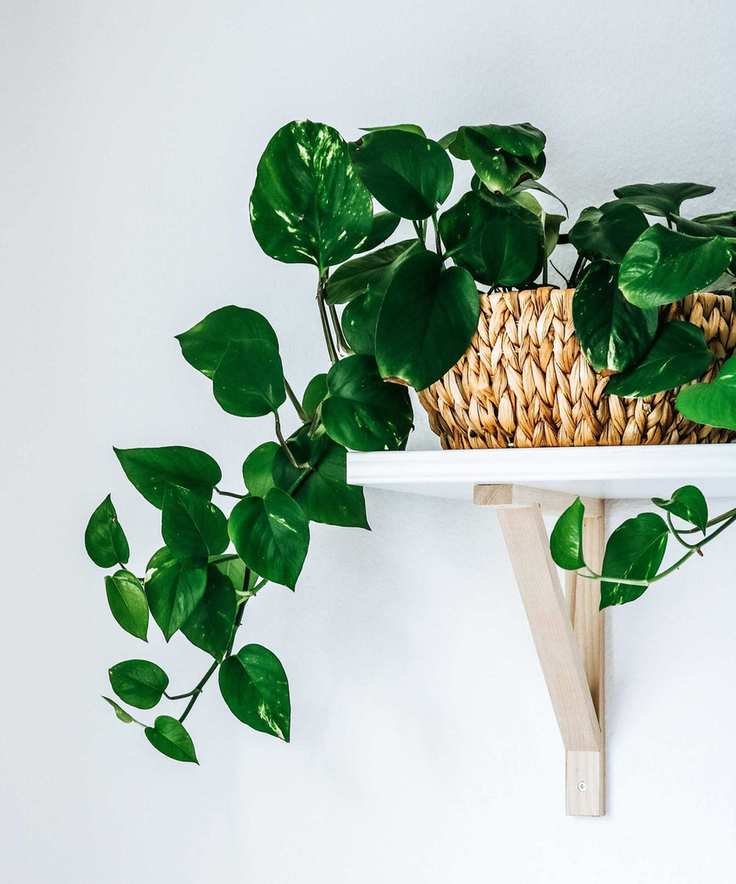
Pothos require proper fertilization to thrive. Over-fertilizing can burn roots, while a lack of nutrients can also lead to yellowing. Fertilize every two to three months during spring and summer, avoiding winter when the plant is dormant.
Using the right NPK fertilizer ensures your pothos receives proper nutrition for healthy growth.
8. Aging Leaves
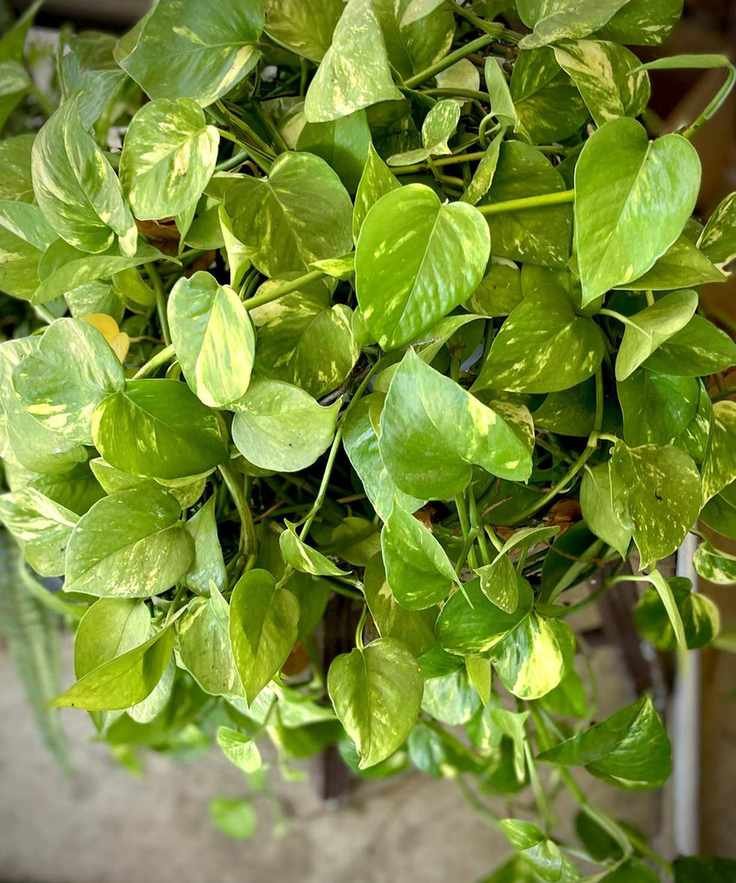
Leaves may turn yellow simply due to age. Even well-cared-for plants will occasionally lose an old leaf. If only a few leaves are yellowing, there's usually no cause for concern.
Use pruning shears to trim away any aging leaves.
9. Pests or Diseases

Pests and diseases can also cause yellowing. Infestations from common pests like spider mites or thrips suck sap from the leaves, leading to discoloration. Keep your pothos healthy through regular care and monitoring.
Regularly clean leaves to spot pests early. If necessary, use insecticidal soap to combat infestations.
FAQs
Should I Remove Yellowing Leaves?
Yes, trim yellowing leaves to redirect energy towards new growth and enhance the plant's health. This also helps maintain a neat appearance and prevents pest attraction.
Can Yellow Pothos Leaves Turn Green Again?
Once leaves turn yellow, they typically won't regain their green color. However, addressing nutrient deficiencies might restore vibrancy to remaining healthy leaves. Focus on correcting care conditions to prevent further yellowing.
Many of these issues can also lead to wilting. Pothos are sensitive to their care conditions, so make adjustments quickly to avoid further damage.
Once you've revived your pothos and perfected its care, consider propagating to expand your collection of these beautiful indoor plants.