
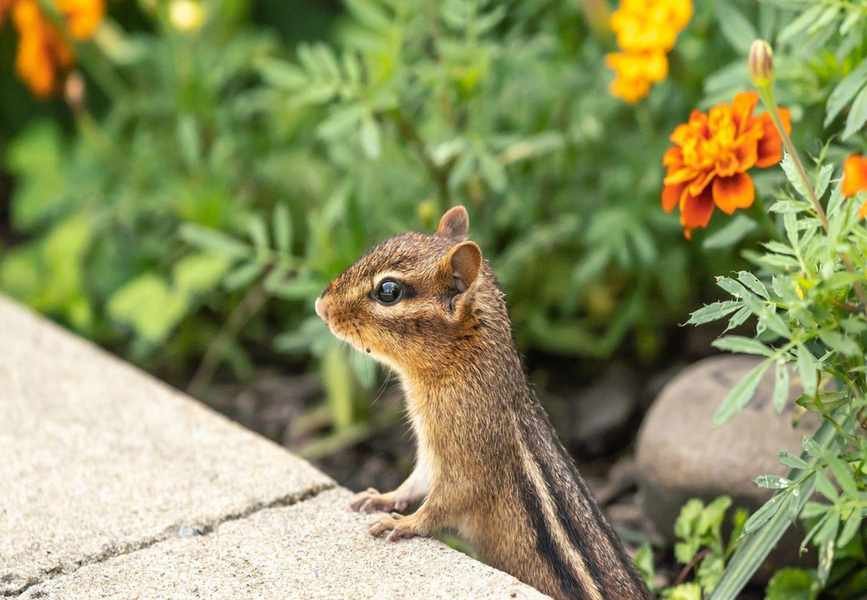
Chipmunks may be adorable, but they can quickly turn into a nuisance in your garden. If you've noticed them digging in your flower beds or hanging around your yard, you may be eager to learn how to eliminate them effectively.
While small, chipmunks can cause significant damage by disrupting your lawn or burrowing near your home's foundation. Fortunately, there are several humane and natural methods available to help you keep these critters away.
Here are expert-recommended strategies to protect your yard from these hungry little pests.
12 Natural Ways to Keep Chipmunks Away
Signs of chipmunks in your yard include small holes in the ground, disturbed flower beds, and chewed plants. Much like dealing with moles or lizards, eliminating chipmunks can be straightforward. Try these expert-recommended methods.
1. Employ a Humane Trap
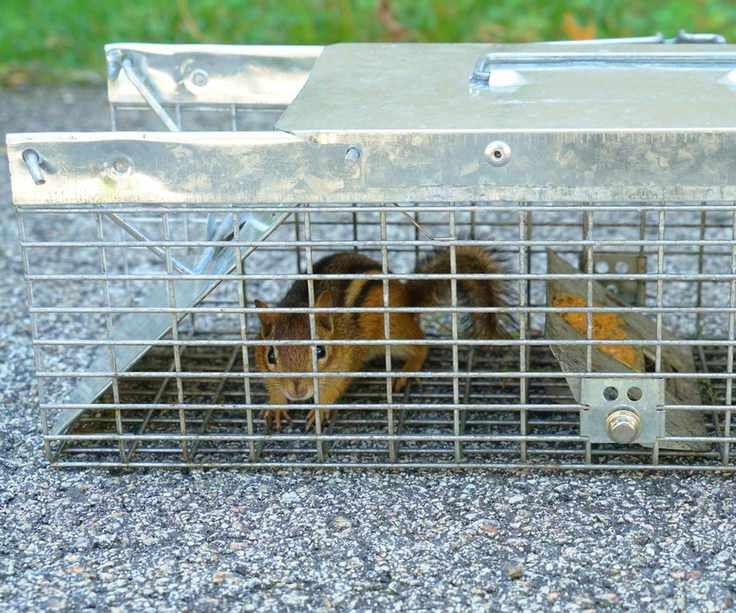
According to pest control expert Rocky Beninato, if chipmunks are a real issue, humane traps are a great option. Just ensure you're comfortable handling live animals before proceeding. Various humane traps, such as this trap available on Amazon or this Walmart trap, feature a one-way entrance that prevents chipmunks from escaping. Bait the trap with food to encourage them inside.
Once trapped, release the chipmunks far from your home to discourage their return. Always check local regulations regarding trapping and relocating wildlife.
When handling traps, use gardening gloves for protection.
2. Eliminate Food Sources
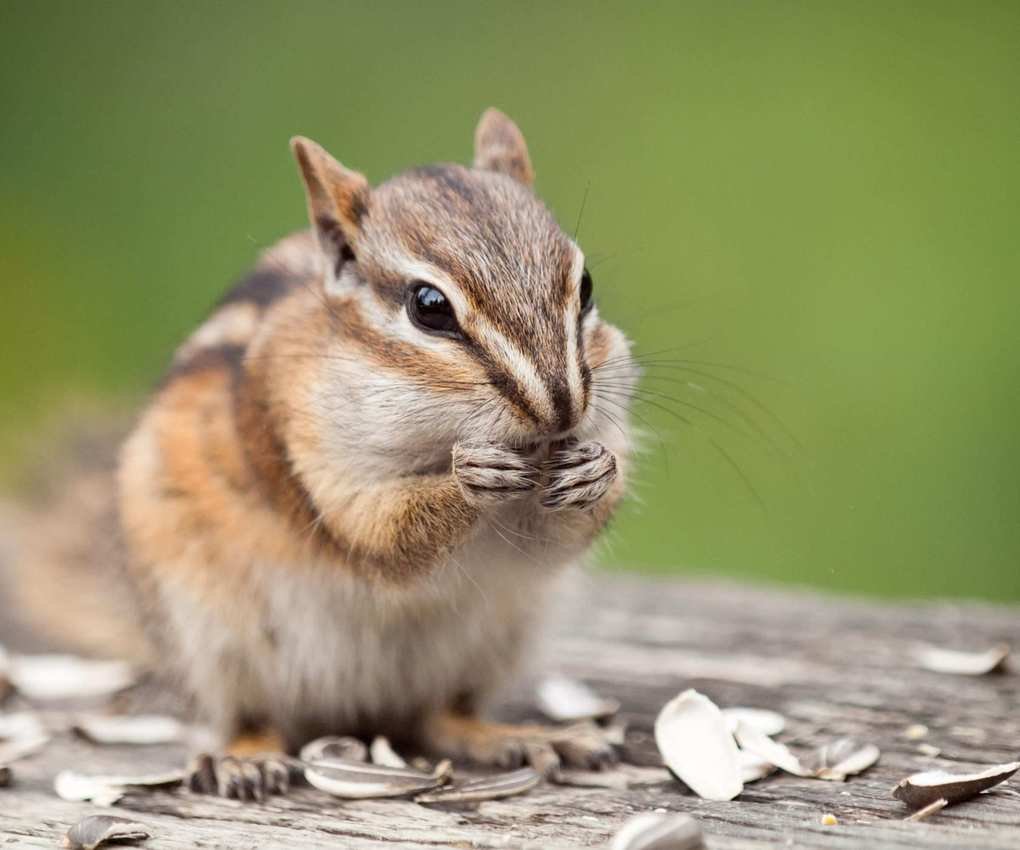
One of the most effective methods to deter chipmunks is to remove food sources from your yard. They are drawn to easily accessible nuts, berries, and seeds. Meg Pearson, a pest control expert, notes that if your garden is inviting, chipmunks will dig around for food, potentially damaging your plants and foundational structures.
Clean up any fallen fruits, nuts, and store seeds in sealed containers, like these glass mason jars from Walmart.
3. Utilize Ultrasonic Deterrents
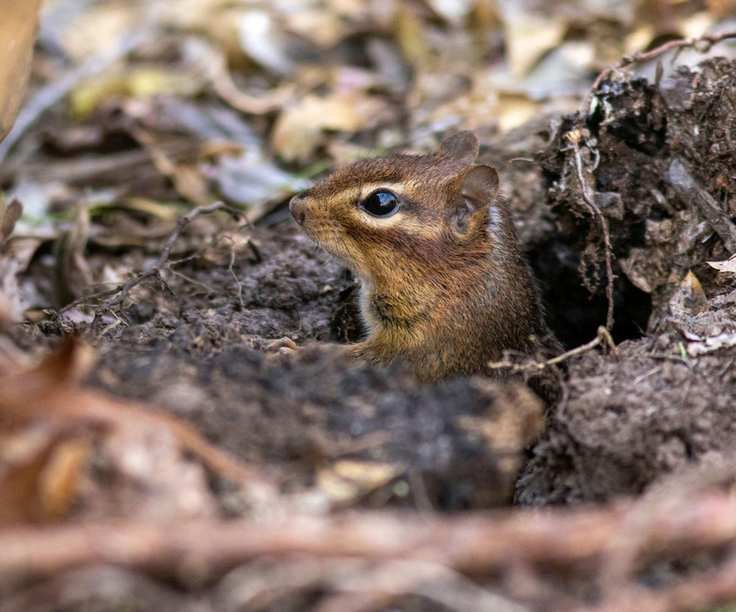
Ultrasonic deterrents are another humane option, emitting sounds that repel chipmunks and other pests. These devices can be found online, like this ultrasonic repellent from Amazon. However, keep in mind that they may work best when used alongside other methods.
4. Safeguard Your Plants
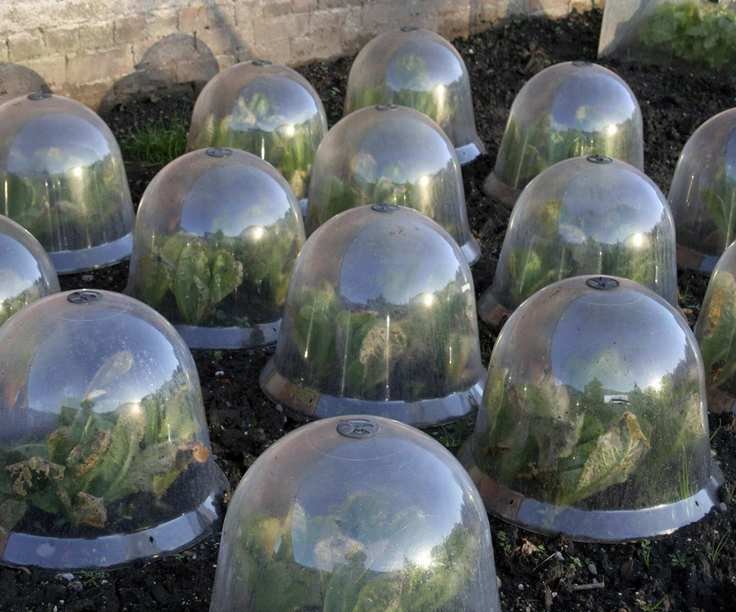
Chipmunks are often attracted to well-kept gardens. Rachel Bull recommends protecting your plants by using bulb cages for flowers and placing hardware cloth about a foot underground around plants to deter digging.
Consider using hardware cloth from Amazon to prevent access to your plants.
5. Store Firewood Properly

Firewood piles can provide shelter for chipmunks. Keep them away from your home's foundation. Consider using storage solutions to keep firewood dry and free from pests, such as this storage unit from Amazon.
6. Maintain a Clean Yard
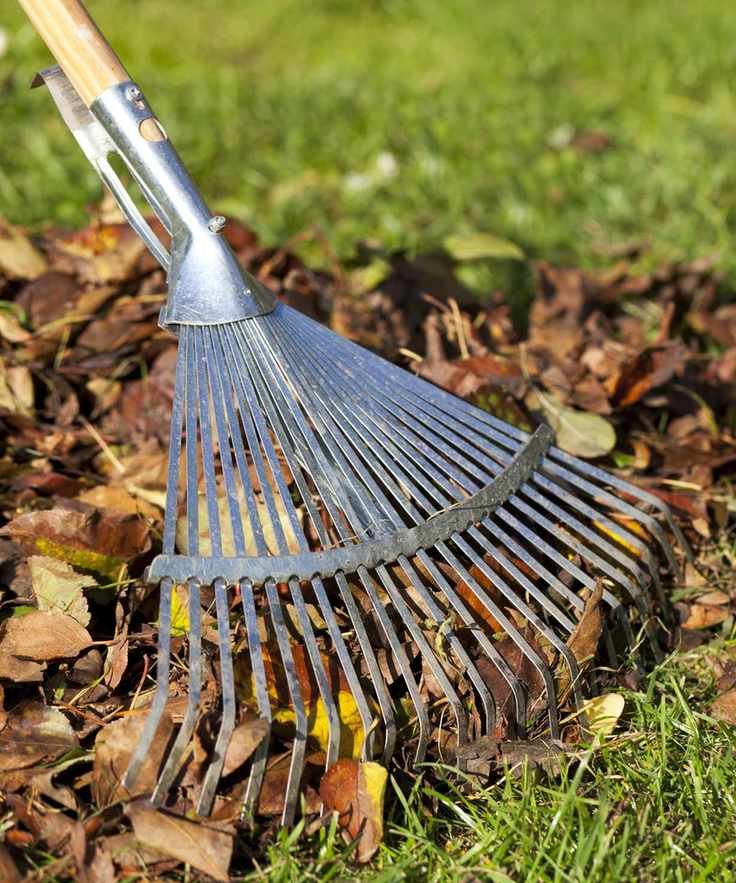
A tidy yard reduces hiding spots for pests. Regularly rake up leaves with a garden rake from Amazon, remove debris, and ensure storage is sealed to deter chipmunks.
7. Safeguard Bird Feeders
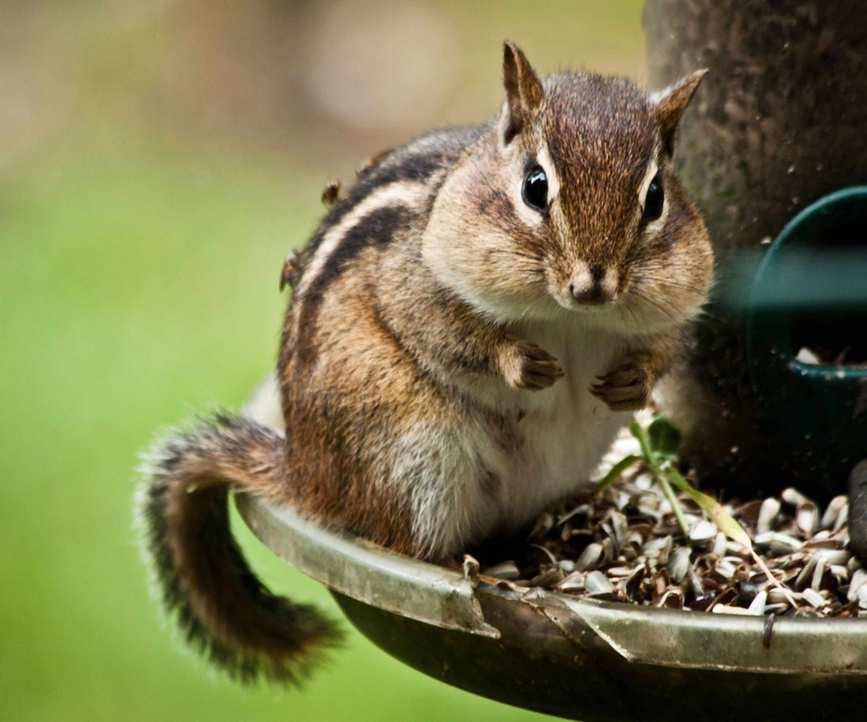
Birdseed attracts chipmunks, so protect your feeders. Avoid storing food outside unless in rodent-proof containers. Clean up any spilled seeds promptly to minimize attraction.
Opt for birdseed that isn't appealing to chipmunks, such as thistle, and position feeders at least 15-30 feet from structures. Consider using a bird feeder baffle from Amazon to keep them at bay.
8. Explore Non-Lethal Repellents
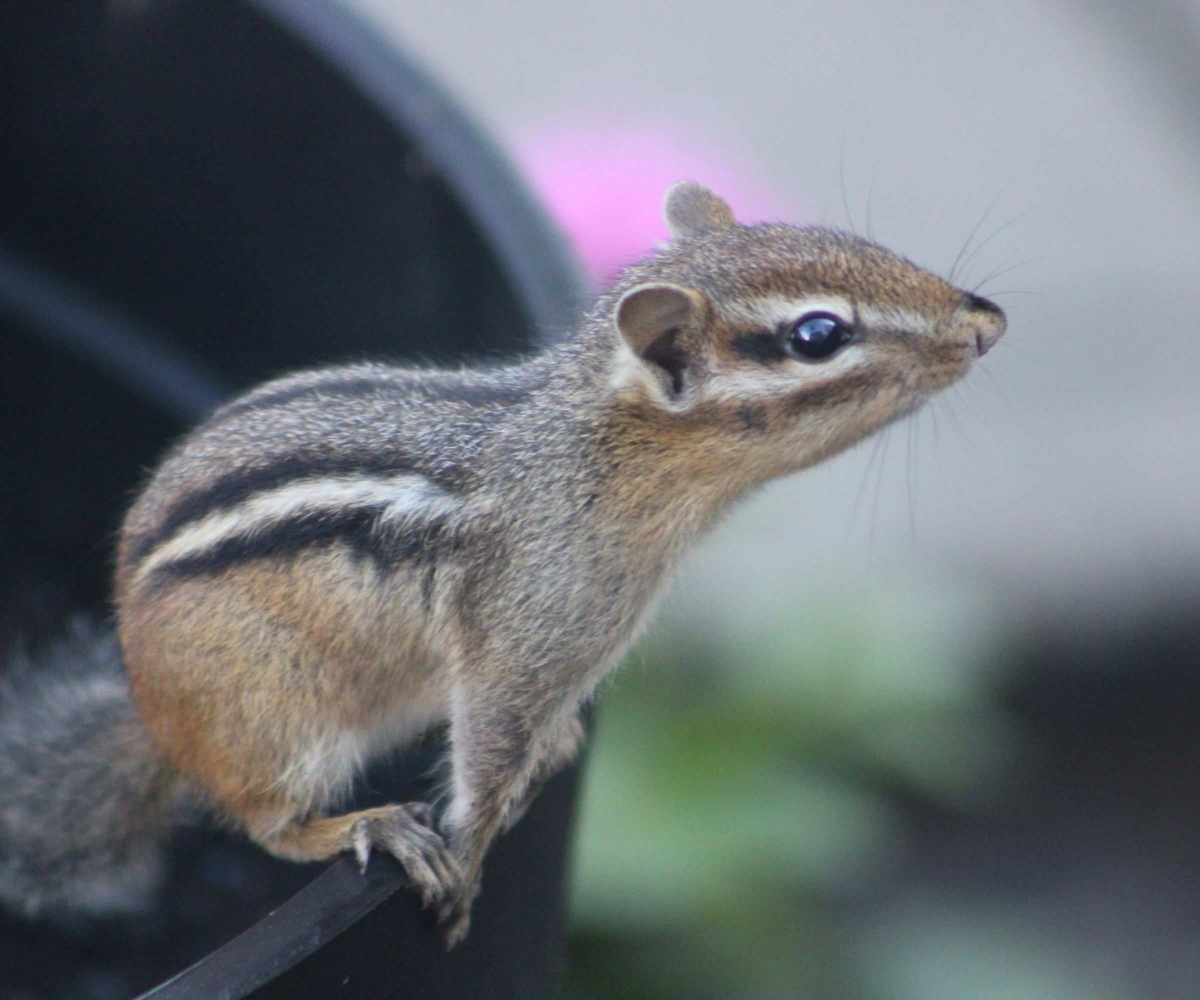
Consider using non-lethal repellents instead of harmful toxins. Many sprays are available, such as this natural repellent from Amazon. However, these sprays are often most effective when combined with exclusion tactics.
9. Spice Up Bird Seed
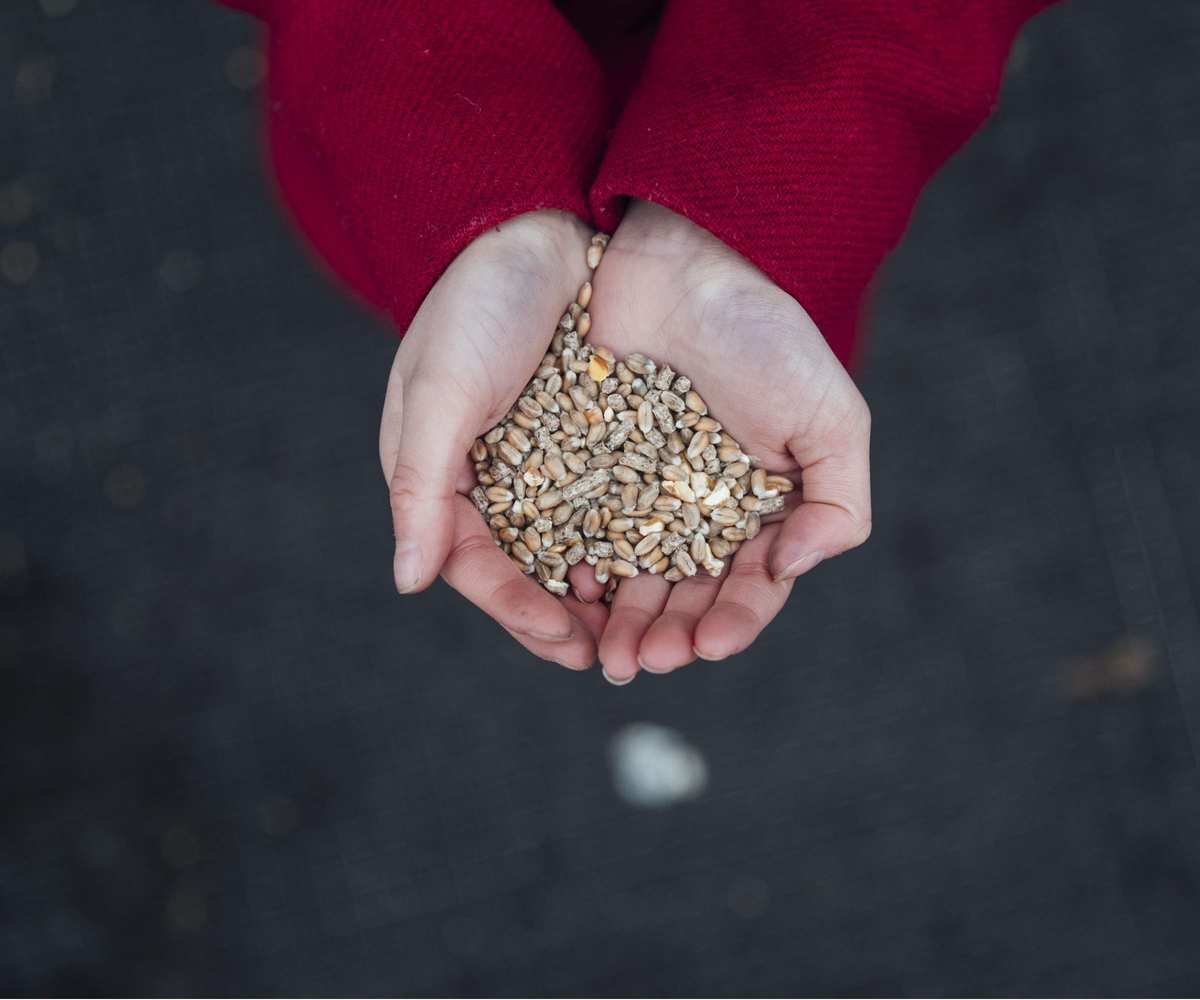
To deter chipmunks from bird feeders, sprinkle cayenne pepper on the seeds. Chipmunks dislike the taste, but birds won't notice it. You can find cayenne pepper at Walmart. However, if you're concerned about bird safety, consider using chipmunk-resistant feeders.
10. Plant Chipmunk-Repellent Species

Certain plants naturally repel chipmunks. Meg Pearson suggests planting mint, alliums, marigolds (available on Amazon), and lavender. However, these plants may only be effective temporarily as chipmunks can adapt.
11. Use Essential Oils
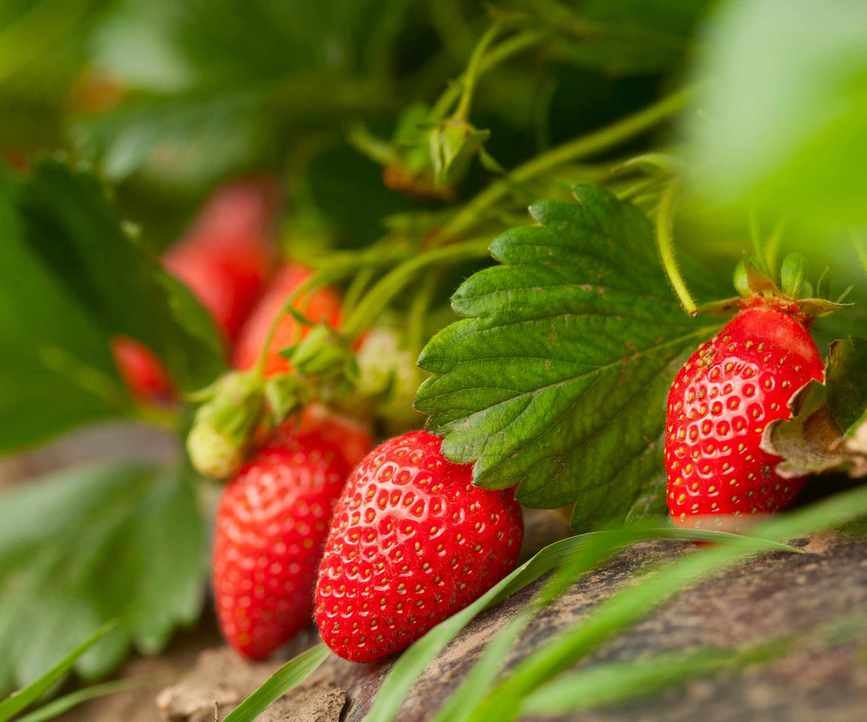
Essential oils can deter chipmunks due to their strong scents. Oils like peppermint, lavender, and cedarwood can be mixed with water in a spray bottle and applied around vulnerable plants. This essential oil set from Amazon is a great buy and will last for many applications.
Reapply the spray several times a day and after rain for maximum effectiveness.
12. Scatter Hair Clippings
While unusual, hair clippings from humans or pets can deter chipmunks. You'll need a steady supply to keep your yard covered.
FAQs
How to Differentiate Chipmunks from Squirrels?
Chipmunks are easily recognizable by their striped backs and smaller size, typically around 5-6 inches long. Squirrels are larger, measuring about 12-20 inches without stripes.
Do Chipmunks Bite?
While chipmunks prefer to flee, they may bite if cornered. It's best to avoid handling wild ones, as bites can lead to infection and require medical attention.
Despite their cute looks, chipmunks can cause structural damage with their burrowing. Hence, it's vital to address their presence promptly and humanely.
If you want to keep chipmunks away while providing alternative food sources, consider establishing a wildlife garden in a designated area of your yard.



