
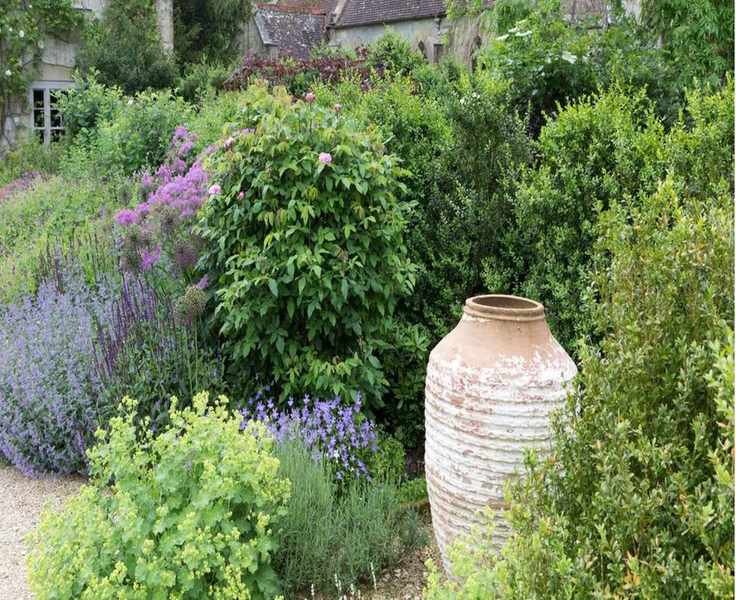
Finding inventive and aesthetically pleasing methods to reuse items in your garden is incredibly rewarding. Old planters, whether intact or slightly damaged, can serve various stylish purposes in your outdoor space.
Reusing old planters can involve cleaning them up for container gardening, but there are inventive ways to utilize them throughout your yard. With some creativity and effort, you can transform planters into wildlife habitats, pest deterrents, or watering solutions. Whatever your vision, there's always a chance to innovate with old pots.
Feeling inspired but unsure where to begin? Here are five fantastic ideas for giving your old planters a new purpose.
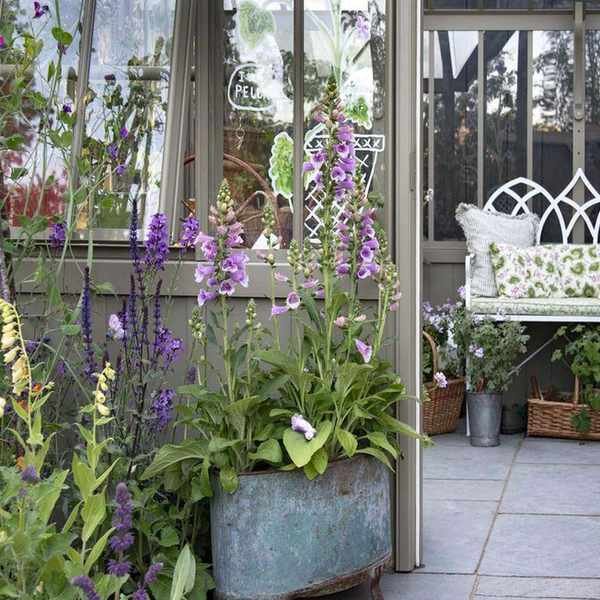
5 Creative Ways to Repurpose Old Planters
Along with reusing your planters, consider turning household items into unique planters. This approach adds character to your garden and creates captivating focal points.
1. Revitalize Your Planters

Even if your planters show signs of wear, they can still fulfill their original role. Personally, I love discovering vintage planters to enhance my container garden, adding a charming rustic touch.
To incorporate old planters into your garden, a little cleaning might be necessary. Remember, cleaning terracotta pots requires gentle care, like using a soft-bristled brush (available on Amazon) to avoid damaging them.
If your planters have cracks or holes, consider using a ceramics repair kit from Amazon that features gold and silver adhesive for a unique touch.
Just ensure you avoid common container gardening pitfalls when reusing planters, such as checking for proper drainage.
2. Craft a Plant Waterfall with Broken Pots
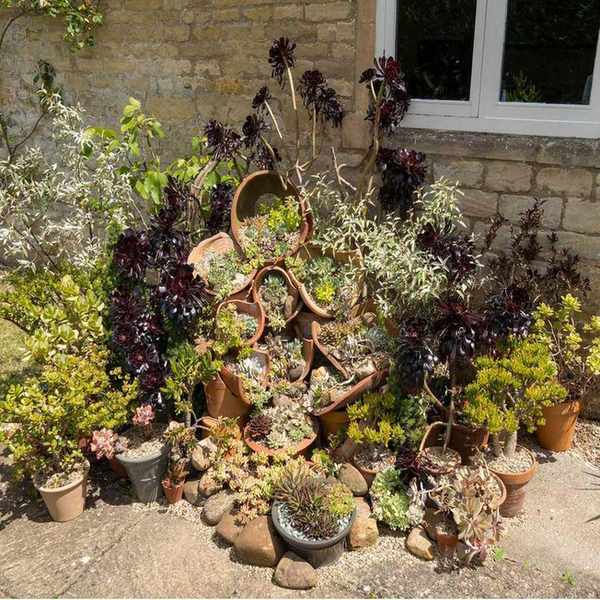
This stunning idea uses broken terracotta pots to create a beautiful succulent display cascading downwards.
By positioning broken pots sideways or using a pot with an open side, you can construct a plant waterfall in your garden.
This technique works well with various plants, particularly succulents and cacti, due to their shallow roots. It can also enhance rock gardens and serve as an unusual home for alpine plants.
You might want to consider vertical gardening tools to support this arrangement. A plant stand like this one from Amazon can offer the necessary support for your planters.
3. Construct a Slug-Repellent Barrier with Pot Shards
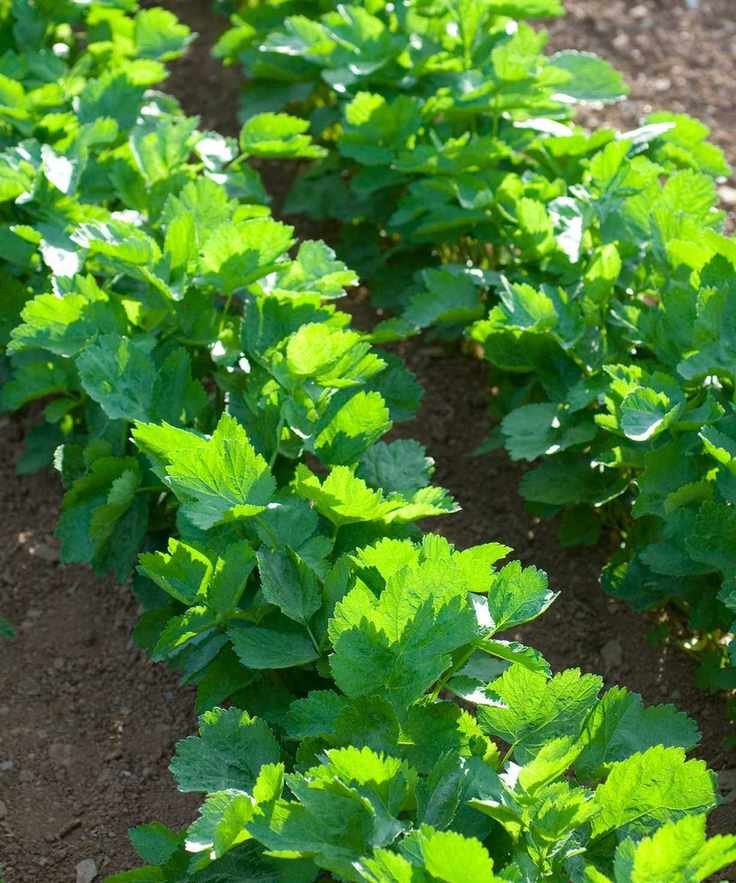
Similar to using eggs in the garden for slug control, sharp broken pot pieces effectively deter slugs and snails from your vegetable patches.
This method serves as an excellent natural pest control strategy. By creating a barrier, you can protect your crops from being devoured.
To use this technique, simply bury small and medium pot fragments around the plants you wish to safeguard, ensuring their sharp edges are exposed.
Combining this method with additional strategies to combat slugs, such as planting pest-repelling flora (like these marigolds from Walmart), can be beneficial.
4. Integrate Clay Pots into Your Watering System
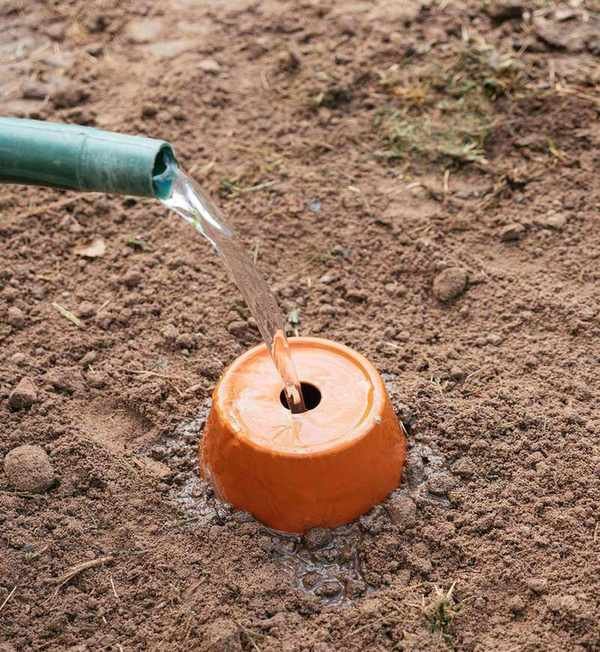
Have you heard of a garden olla? Your old clay pots are perfect for this watering technique.
This method involves burying a clay pot in the soil with the opening at ground level. Fill it with water to gradually nourish the surrounding plant roots.
Clay's porous nature allows it to absorb and release moisture over time. You can use anything from larger clay pots to smaller terracotta pots (available on Amazon).
This approach keeps plants hydrated during hot spells with minimal effort. Just be sure to replenish the olla as needed.
5. Design a Wildlife Feature with Old Pots
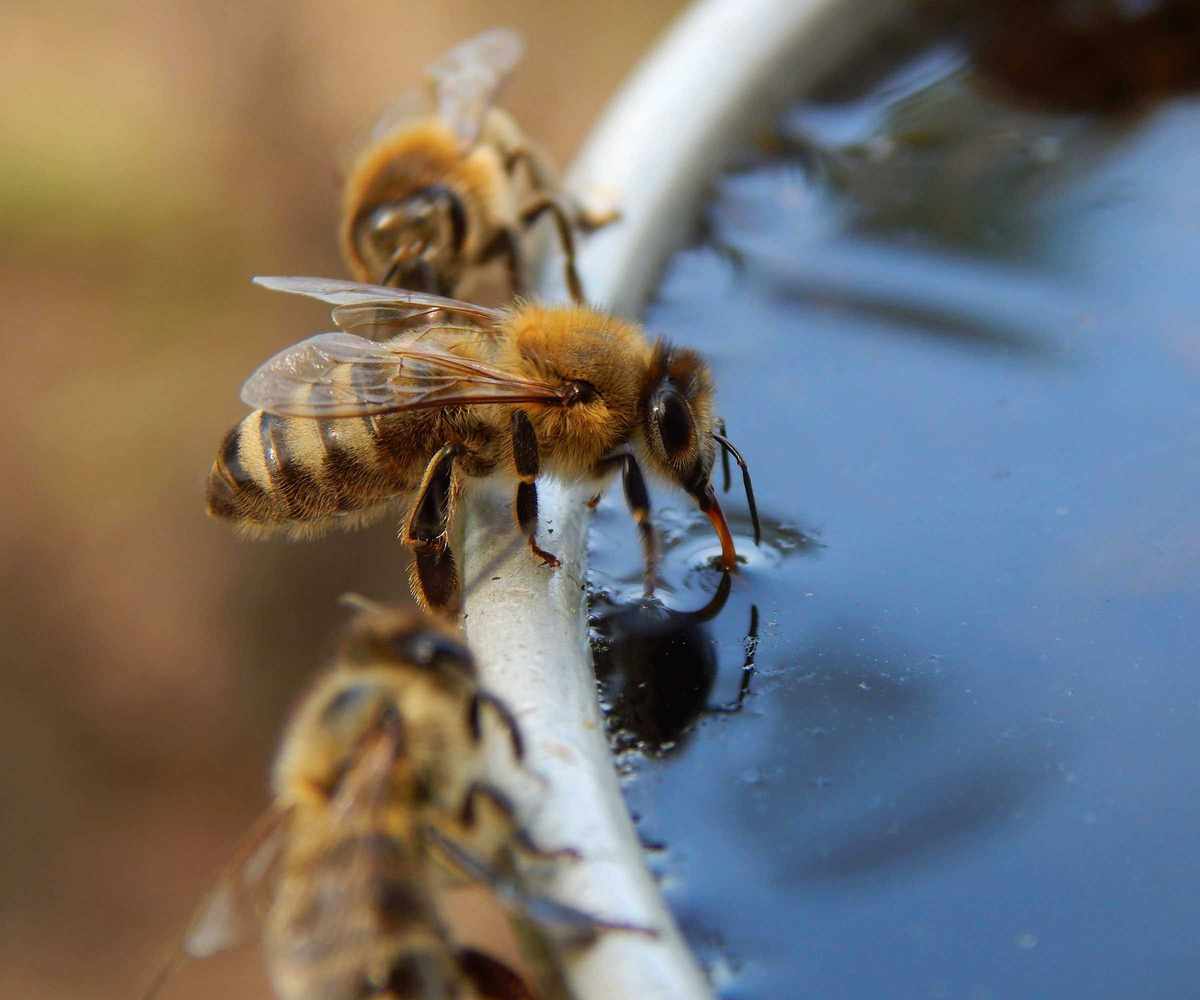
If you're seeking a new purpose for your old planters, consider creating a wildlife feature. One suggestion is to design a bee watering station:
"This delightful idea came to our attention earlier this year. By flipping a pot upside down and placing a saucer on top, you can create a hydration station for bees," suggests a gardening expert. "Add some decorative pebbles (like these from Amazon) or local stones for the bees to rest on, then fill it with water just below the stone surfaces."
Old planters can also become homes for bug hotels, filled with natural materials like sticks and leaves. Alternatively, cultivate plants that attract pollinators to create a mini garden for beneficial insects. Simply scatter these wildflower seeds from Amazon onto potting soil in your containers.
FAQs
Can I reuse last year's potting soil?
If your old potting soil hasn't been used for diseased plants, it can be reused. However, be aware that essential nutrients may have diminished. New plants will thrive better in fresh potting soil, or you can improve the old soil's quality with an organic amendment like fresh compost.
Repurposing old planters not only revitalizes them but also adds unique features to your garden. It's an eco-friendly gardening practice. Explore more ways to embrace sustainability in your garden with our guide to zero waste gardening and non-toxic gardening alternatives.



