
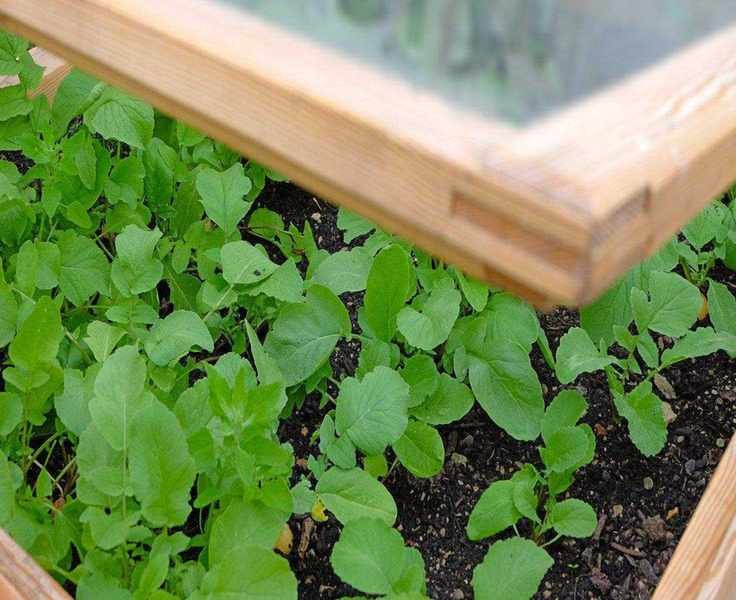
Sowing vegetables in a cold frame or beneath a cloche is an effective way to reap earlier harvests. Many types flourish under these conditions, including peas, beans, lettuce, carrots, and spinach. Here are my top seven choices for vegetables to cultivate in February, ensuring delicious spring yields.
These selections are straightforward to grow, dependable, and mature quickly, allowing for effortless spring harvests. I always encourage getting ahead in the garden, which is why February sowing is a fantastic option.
Cold frames and cloches are invaluable. They help warm the soil during late winter, enabling outdoor seed sowing earlier in the season. These structures provide a sheltered environment for cool-weather crops, freeing up greenhouse space.
1. Lettuce
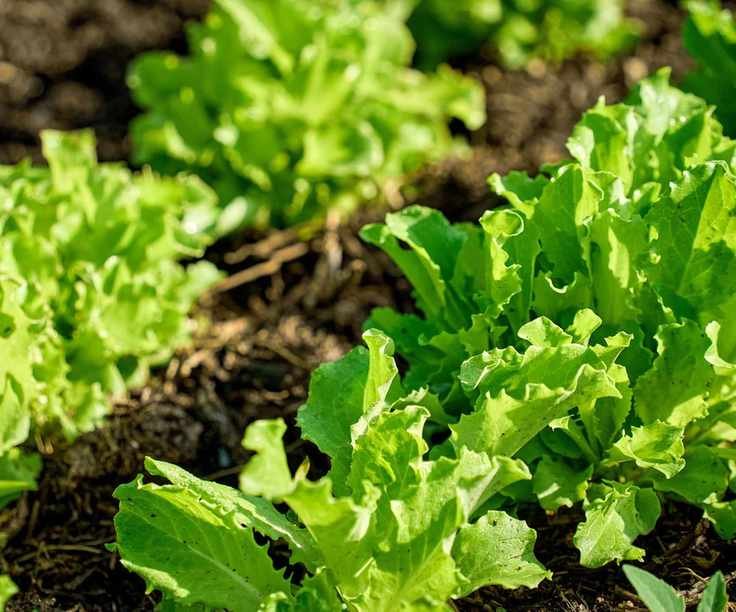
Lettuce comes in many varieties, shapes, colors, and flavors. For the earliest harvests, sow butterhead or loose-leaf types under cold frames (like this wooden cold frame from Wayfair) or cloches.
Prepare the soil by thoroughly weeding and placing the cold frame or cloche two weeks ahead of sowing to warm the soil. Sow seeds about half an inch deep in drills or individual holes and maintain moist soil.
Thin seedlings in early to mid-spring to allow adequate space for growth. On warm days, remove the cloche or lift the cold frame lid to ensure air circulation. As temperatures rise, you can take off the cover, but be cautious of slugs and snails.
For a great cut-and-come-again lettuce option, pick the outer leaves first, allowing inner ones to grow. Consider 'Salad Bowl' for February planting, available in packs at Burpee.
2. Arugula
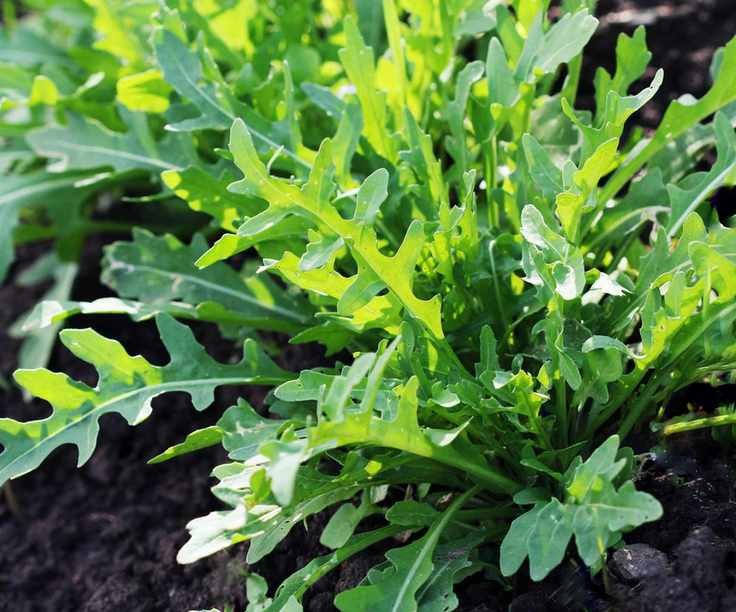
This peppery salad green grows quickly and prefers cooler conditions. For a reliable, vitamin-rich crop that adds zest to salads, arugula is a top pick. With a harvest time of just over four weeks, you can enjoy fresh greens by March.
Plant arugula in a cold frame or cloche (like this portable mini greenhouse from Amazon) to minimize pest risks. Sowing seeds directly is best since arugula doesn't transplant well; just sow them in shallow drills and lightly cover.
Keep the soil moist and uncover on warm days for air circulation. Harvest arugula by snipping off outer leaves with clean scissors.
Available packs of arugula seeds at Botanical Interests yield tender leaves in 20-28 days.
3. Carrots

Homegrown carrots are undeniably sweeter than those from the store. If you frequently use carrots, sow them early for an extended harvest season.
Start your carrot crop in February under a cloche or cold frame. Warm the soil for a few weeks before sowing, ensuring to clear out any stones for straight roots.
Fast-maturing varieties, like 'Nantes' (available at Burpee) or 'Amsterdam', or circular options like 'Paris Market' (get 'Paris Market' seeds at Amazon) are ideal. Sow seeds in rows four inches apart, spacing seeds an inch apart.
Add compost before sowing, avoiding manure or high-nitrogen fertilizers to promote root development instead of foliage. If fertilizing, use low-nitrogen options like 5-10-10 fertilizer at Amazon or bone meal before sowing or during germination.
4. Radish

Early sowings of radishes can yield quick rewards. You can plant radish seeds in late winter under a cloche or cold frame for a long, fruitful season.
Directly sow radish seeds, spacing them about an inch apart and half an inch deep. Thin seedlings as they grow for optimal root development.
Radishes are among the fastest-growing veggies; expect to harvest within six weeks from February sowing. You can find 'French Breakfast' radish seeds at True Leaf Market, known for their rapid growth and tender roots.
5. Fava Beans
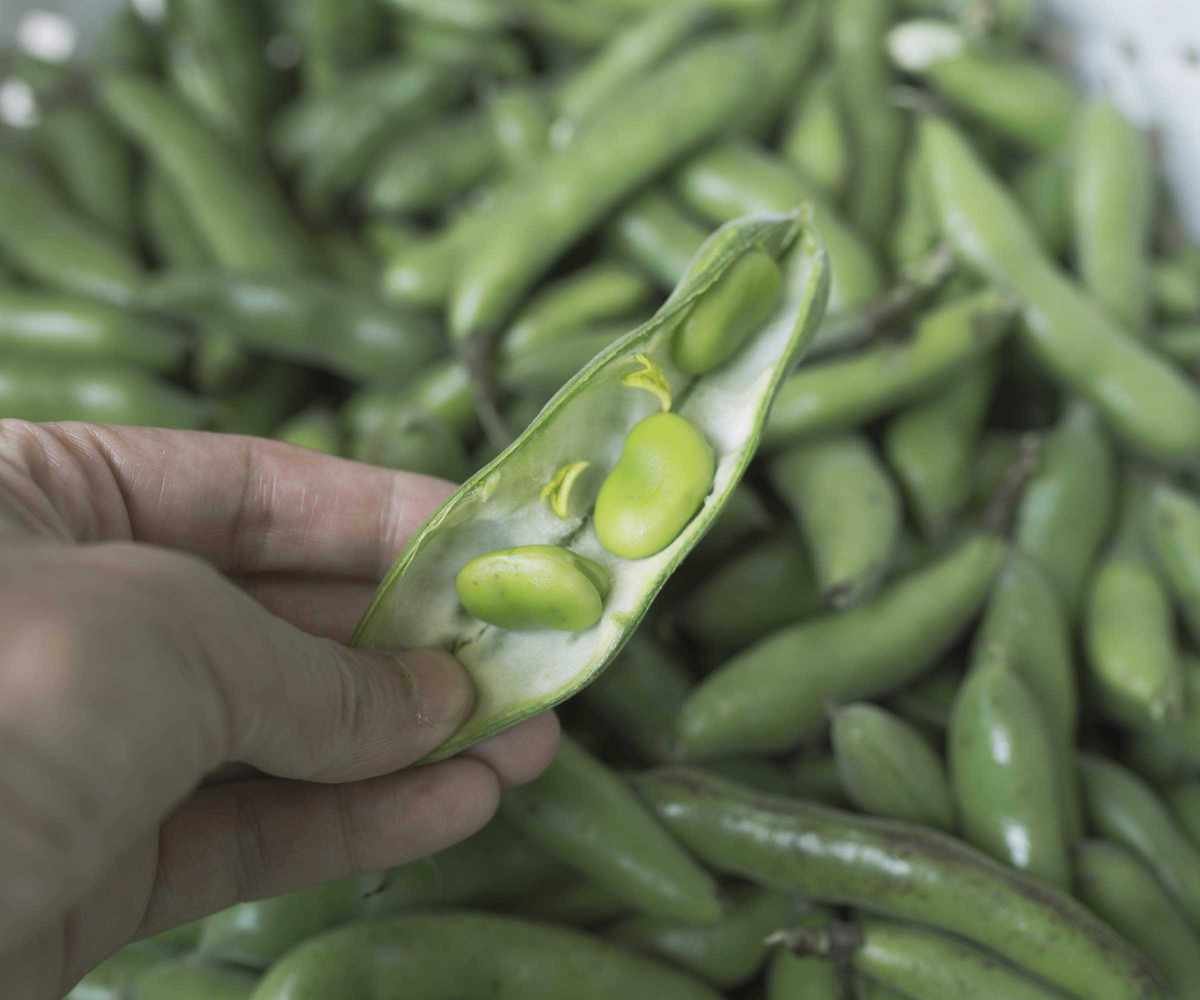
Fava beans can be sown in a cold frame in February. These beans germinate well in cooler temperatures, making them suitable for early planting.
I've found starting fava beans indoors in February to be more effective than fall sowing. This method allows for earlier harvests when compared to waiting for suitable spring soil. Using covers can advance the harvest by four to six weeks.
Cold frames protect seeds from rot in cold, damp soil while safeguarding them from nibbling mice. 'Aquadulce' is a reliable, heavy-yielding variety that tolerates cold. You can find 'Aquadulce' fava bean seeds at Amazon.
6. Peas
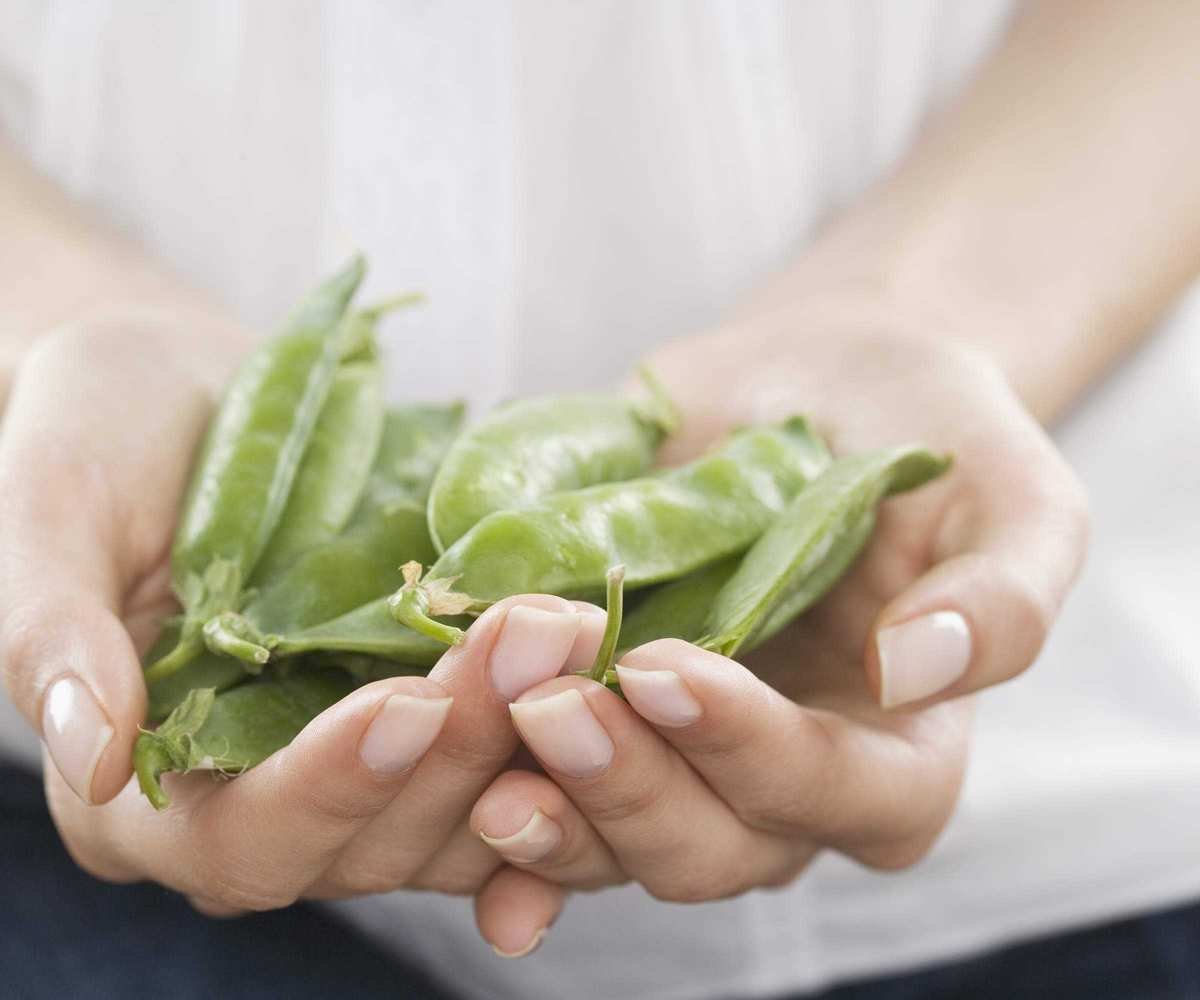
Peas are versatile, with early sowings possible in February for harvests by May or early June.
Like fava beans, pea seeds can rot in cold, damp soil, so the protection of cold frames and garden cloches is essential for successful germination.
Sow early varieties two inches deep in pots or biodegradable containers to prevent root disturbance during transplanting. You can also use guttering filled with seed compost for sowing.
A compact variety worth growing is 'Little Marvel', available at Botanical Interests, which grows only 18-24 inches tall.
7. Salad Onions
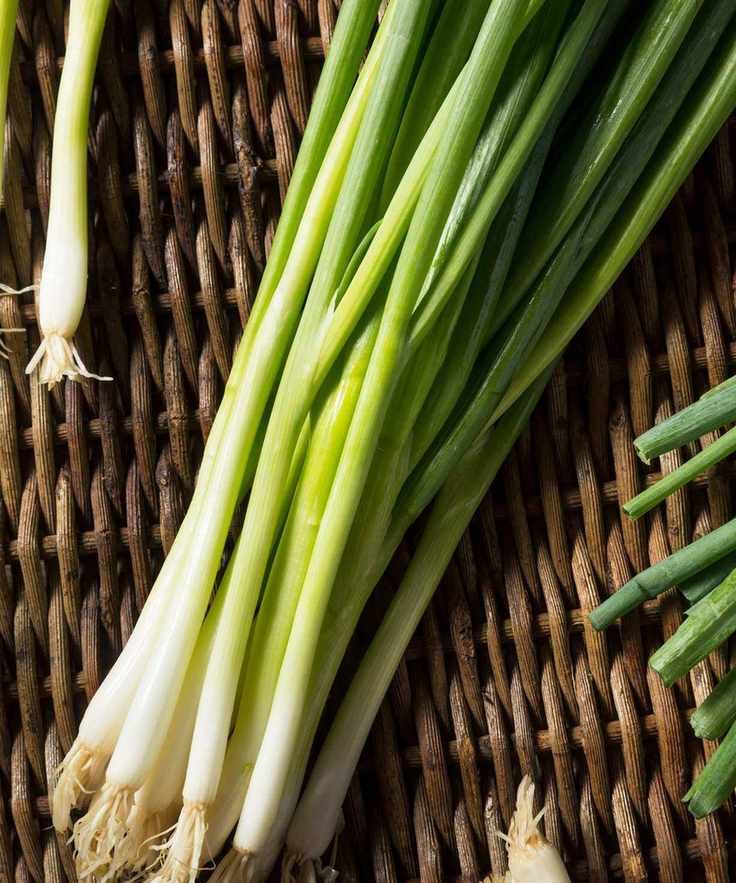
Spring onions, green onions, and scallions are collectively referred to as 'salad onions.' These immature onions can be harvested at various stages, with or without bulbs. All varieties germinate well under a cold frame or cloche.
Plant seeds in narrow drills spaced 4-12 inches apart, with two inches between seeds for good-sized onions. Thin seedlings as needed to maintain spacing.
Keep the soil moist but not soggy to avoid rotting. With February sowing, you can begin harvesting in April. Once the stems reach 8-12 inches, harvest as needed.
'White Lisbon' is a reliable bunching onion variety, and you can find 'White Lisbon' seeds at Burpee.
February is a busy month for gardeners preparing for the new season. To stay organized, check out our guide to February gardening tasks featuring useful tasks for this month. If you're eager to sow more, explore our guide on flowers to plant in February for vibrant summer blooms.
Shop Vegetables to Plant in February:
Radish Seeds Variety Pack
A collection of five radish varieties: Daikon, Watermelon, Purple Plum, French Breakfast, and Champion.
Lettuce Seeds Collection
This set includes seed packets for 14 heirloom varieties of lettuce, featuring butterhead and loose-leaf types.
Vegetable Seeds Kit
Over 16,000 seeds to grow 35 different vegetable varieties.
Blue Shelling Pea Seeds
An heirloom pea producing bluish-purple pods, harvestable early as snap peas or left to mature for shelling.
Tangy Arugula Seeds
This heirloom Italian arugula produces large leaves and is known for high yields in smaller spaces.
Carrot Seeds Variety Pack
A mix of organic seeds for five carrot varieties: Little Finger, Nantes, Solar Yellow, Starburst, and Dragon.



