
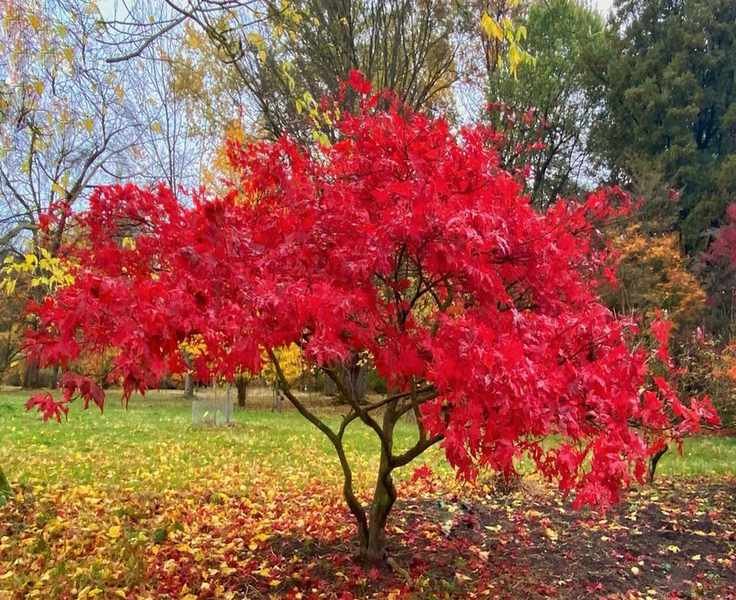
Trees are trending right now, and it's easy to see why they're so popular. They provide structure and shape to any landscape, adding height and a focal point. Choose the right variety, whether it's a fast-growing option or a low-maintenance choice, and you'll enjoy year-round beauty: blooming flowers in spring, a shady haven in summer, colorful leaves in the fall, and an attractive silhouette perfect for holiday decorations.
Moreover, trees play a vital role in our environment by absorbing carbon dioxide and helping to mitigate flooding risks.
As more people embark on tree-planting endeavors, it's crucial to consider certain factors to avoid mistakes that could harm your trees or even impact your property.
Common Tree Planting Errors
When my family moved into our current home over a decade ago, our yards were overcrowded with large, dense trees. They blocked sunlight and depleted soil nutrients, prompting us to remove many of them within the first year.
Overplanting is a frequent mistake when introducing trees to your garden. Other errors include selecting the wrong tree species, purchasing trees that are too large, planting at inappropriate times, and improper pruning techniques.
By adhering to our expert recommendations, you can steer clear of these nine common tree planting pitfalls, ensuring your trees and yard thrive.
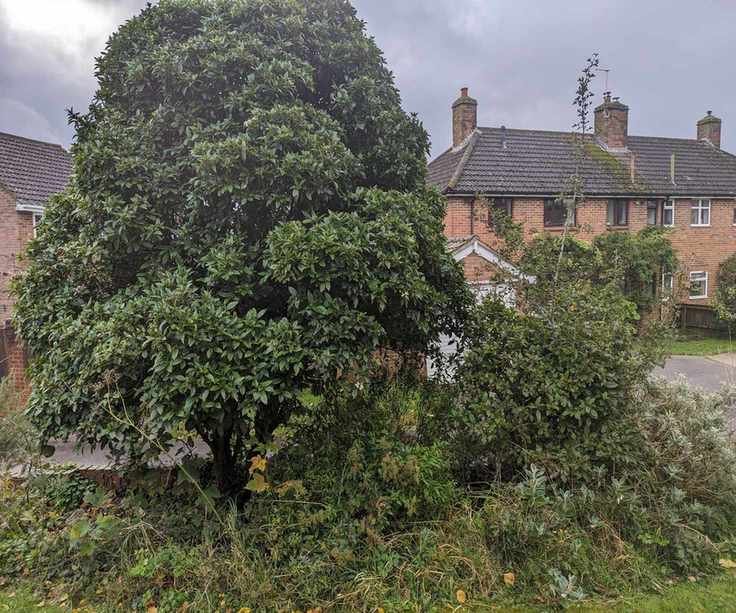
Overcrowded trees can struggle in cramped conditions
1. Selecting an Unhealthy Tree
Always choose the healthiest tree available at the garden center, and opt for reputable online vendors.
A tree that appears unhealthy before planting is unlikely to flourish once it's in your yard, where it will face unpredictable weather, pests, and other challenges. If you're purchasing during the growing season, select one with vibrant, glossy leaves and avoid those with drooping or dull foliage.
Lift the pot to inspect the roots. If you notice roots growing through the drainage holes, it's best to pick a different tree. Pot-bound plants with roots wrapped around themselves or stuck to the pot will struggle to establish and spread, even if you attempt to untangle them.
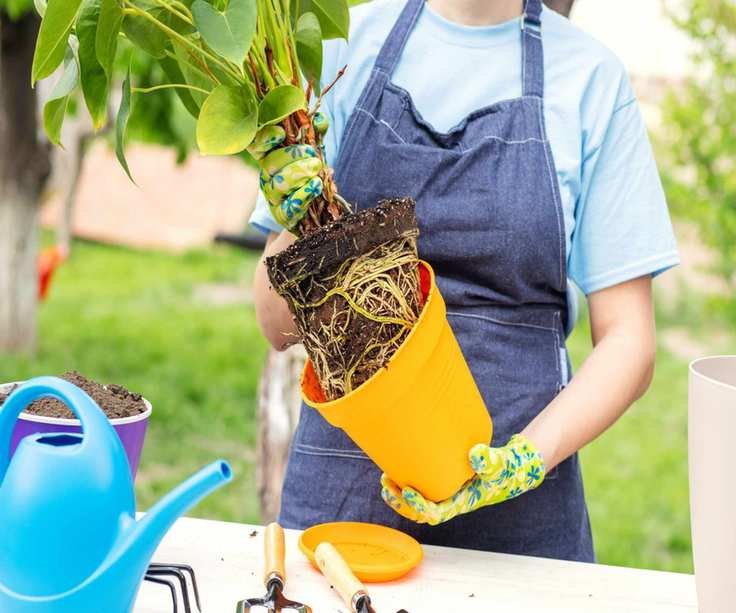
Avoid selecting trees with circling roots or those growing out of the pot base
2. Planting in the Wrong Location
To give your new tree the best chance of success, it's essential to plant it in the right location—this may seem straightforward, but many people make errors. Here are some factors to consider:
Soil Type: Be aware of the soil type in your yard, as different trees have varying preferences.
Most trees thrive in soil with a neutral pH. If you're unsure of your soil's pH, testing kits are readily available. For example, a battery-operated soil meter from Raintrip on Amazon can help.
Many trees flourish in alkaline or chalky soil, particularly fruit trees, oaks, and beeches. We have two beautiful blossom trees in our chalky soil—a cherry and an Amelanchier—that create stunning displays in spring.
If your soil is acidic, consider azaleas, rhododendrons, pines, Japanese maples, magnolias, birches, and sweet gum (Liquidambar styraciflua).
Sunlight or Shade: Most trees can adapt to light and shade, but be cautious with acers, as their leaves can scorch and shrivel in direct sunlight.
Damp Ground: While wet soil can be challenging, several trees such as willows, alders, and poplars thrive in these conditions. Trees suited for drier soil may suffer from root rot and bark decay if planted in consistently damp areas, making them vulnerable to pests and diseases.
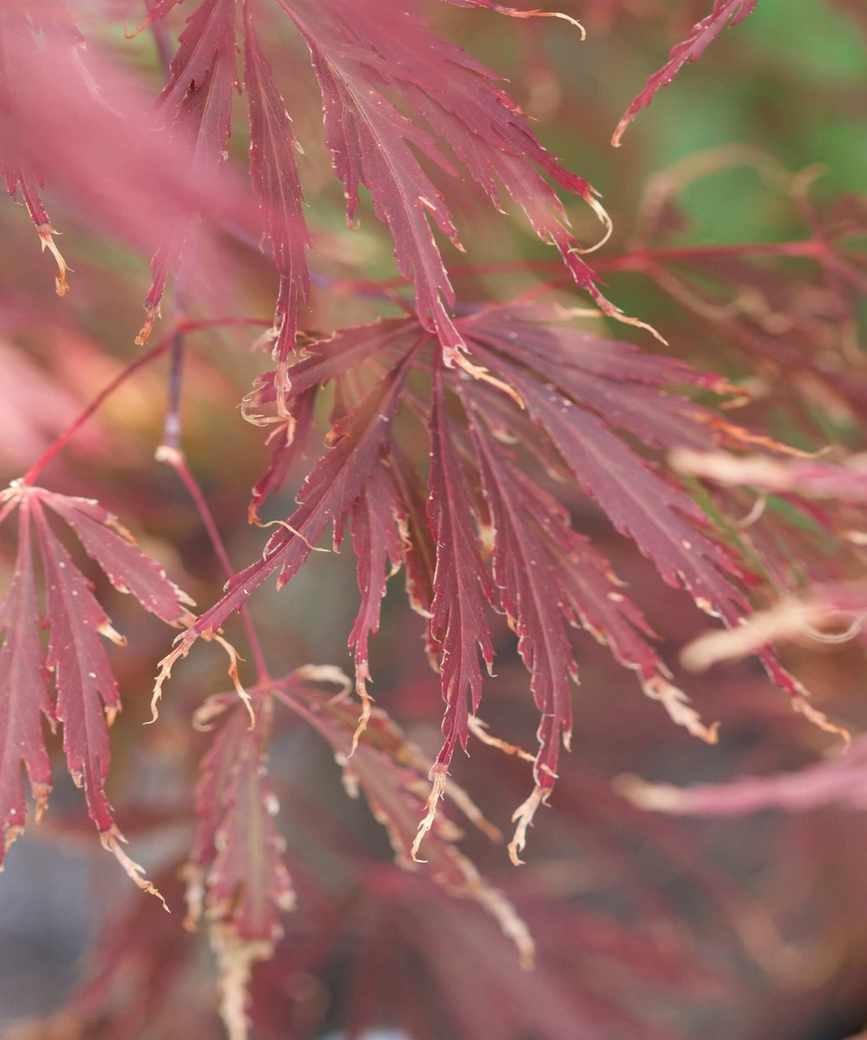
Leaves of a Japanese maple (acer) damaged by sunlight
3. Incorrect Planting Depth
Planting trees too deeply or too shallowly can hinder their growth, which is a common mistake.
When purchasing a tree, examine the base of the trunk for a woody bulge, known as the graft area. Ensure this part is positioned just above the soil level when planting.
A simple method to achieve this is by placing a cane across the planting hole and adjusting the soil to ensure the graft is level with the cane.
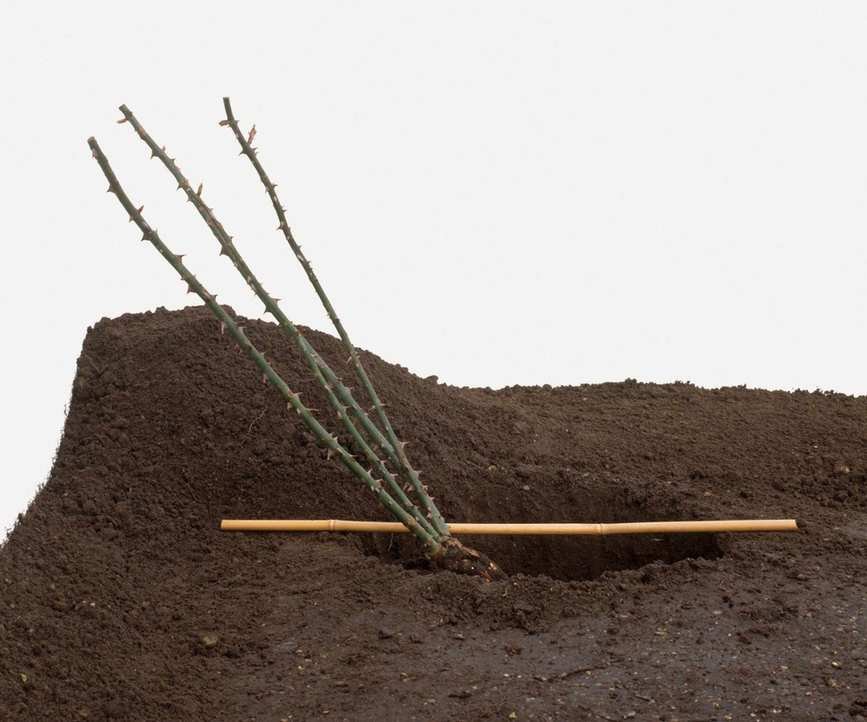
Use a cane across the planting hole to ensure proper planting depth
4. Inadequate Watering
Newly planted trees require regular watering to ensure that soil and moisture settle around their roots, helping them establish a strong foundation.
For trees, consistent watering is even more critical—they typically need about five gallons of water weekly, particularly during dry spells.
A practical way to ensure your tree gets enough water is to place a five-gallon bucket next to it, with holes drilled in the bottom. By filling it weekly, water will gradually seep out, keeping the soil adequately moist.
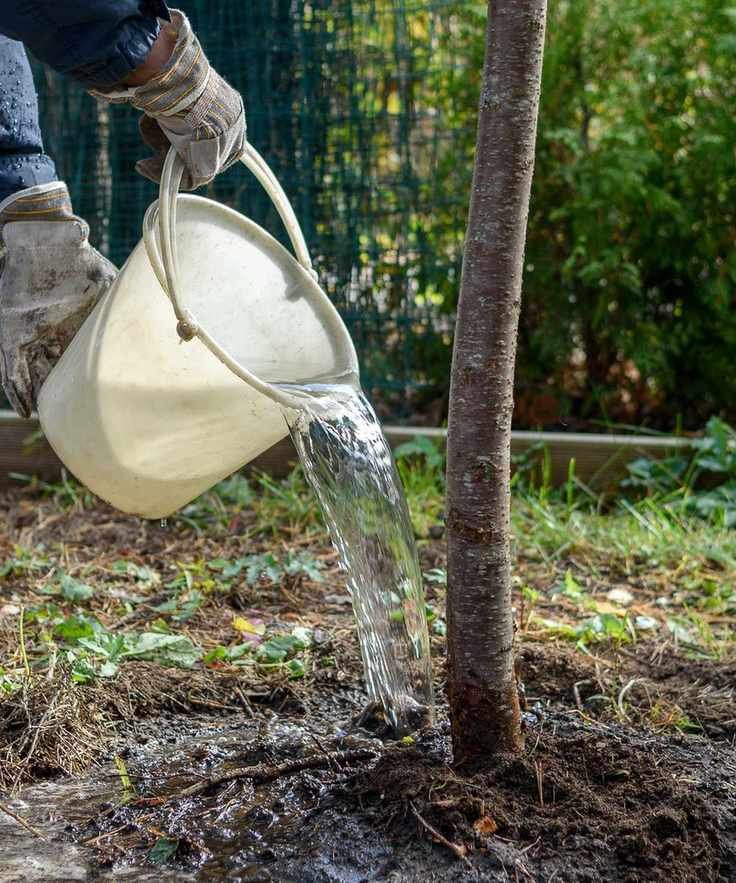
New trees should receive ample watering, especially in their first year and during dry spells
5. Choosing the Wrong Tree
While it's great to be ambitious with your tree planting, it's crucial to be practical about how many trees you select. Always consider their potential size when fully grown.
Conducting some research beforehand will help you choose a tree suitable for your yard. There's no benefit to selecting a species that can grow very large in a small garden filled with sun-loving plants, as it will overshadow them.
Many excellent trees are designed for smaller landscapes, so opt for those if your space is limited. Conversely, if you have ample space, select trees that will not appear diminutive.
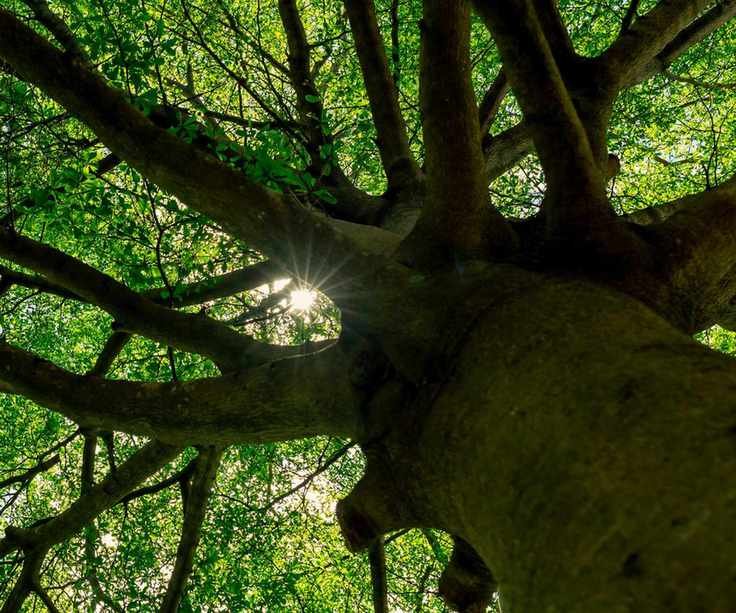
In small yards, avoid large trees that will block sunlight and deplete soil nutrients
6. Timing Your Planting Incorrectly
While there are no strict rules for when to plant trees, certain weather conditions should be avoided.
Avoid planting when the ground is frozen, as it makes working difficult and can harm young roots. Additionally, steer clear of waterlogged soil, which can suffocate tree roots by displacing oxygen.
Also, refrain from planting on windy days, as strong winds can damage young trees by snapping branches or bending trunks.
To protect young trees from wind damage, stake them securely on the side facing the prevailing wind. This way, the wind will push them away from the support, minimizing bark abrasion and promoting stronger roots.
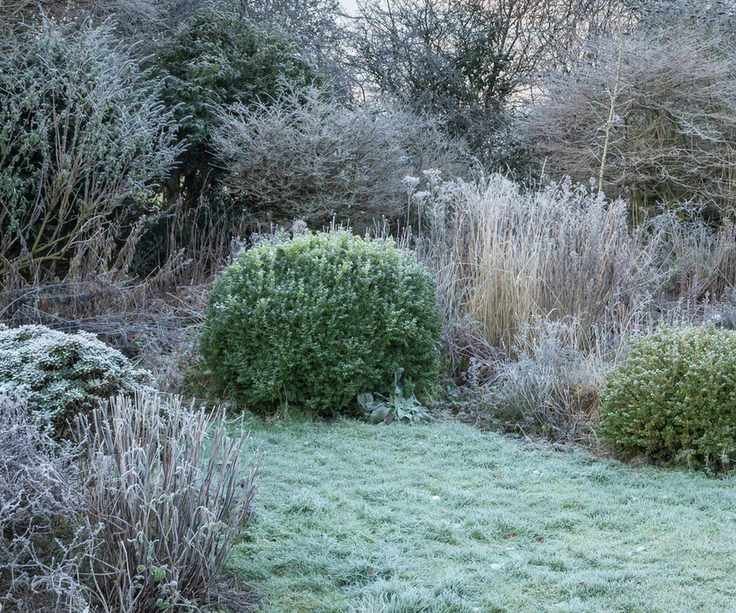
Never plant trees when the ground is frozen or overly wet
7. Planting Too Close Together
Trees require space to thrive, so avoid planting them too closely. They will compete for light, moisture, and nutrients.
The exception is if you're creating a small grove with slender trees such as birches for an attractive visual effect. Even then, maintain a distance of 5-10 feet between them to allow for healthy growth.
If you plan to plant trees for a hedge, consider staggered rows for a more appealing barrier.
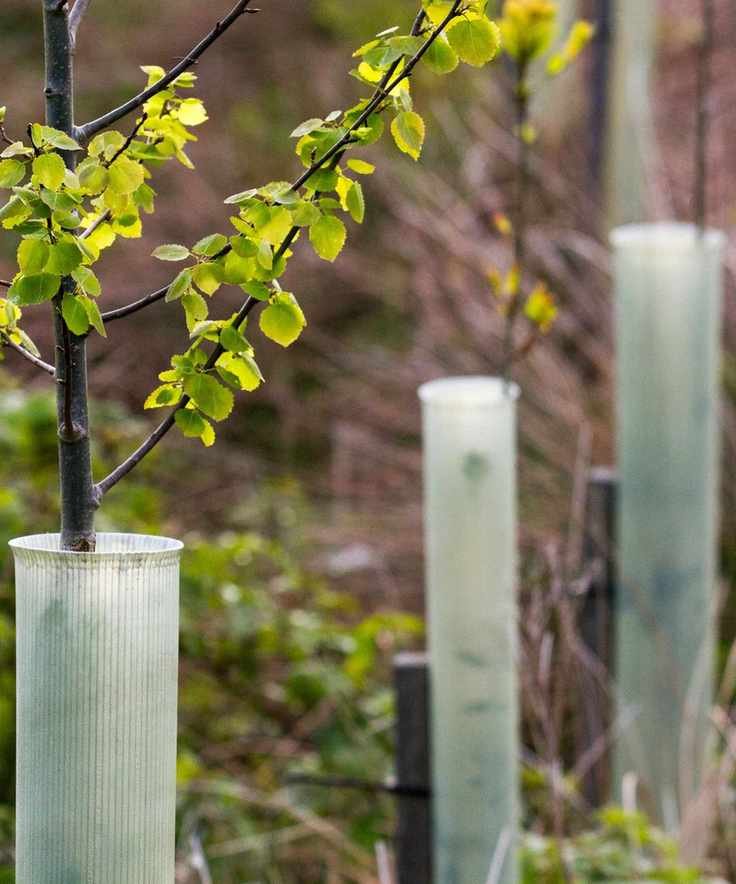
Avoid close planting, as it restricts trees from reaching their full growth potential
8. Improper Pruning
Annual pruning is essential for trees to prevent branch congestion, which blocks light and air from reaching the tree's core. This can stunt flowering and fruit production while promoting fungal issues.
Most deciduous trees should be pruned when they're dormant, typically between fall and early spring. Cutting branches during the growing season can lead to sap loss, weakening the tree and exposing it to pests and diseases.
Exceptions include plums, cherries, peaches, apricots, and nectarines, which should be pruned in midsummer to prevent silver leaf disease, a fungal issue prevalent from September to May.
Prune evergreen trees in summer as well, as they are less resilient than deciduous trees and may suffer from frost damage if pruned in winter.
When pruning, take your time and remember the adage: 'measure twice, cut once' to avoid the common mistake of over-pruning.
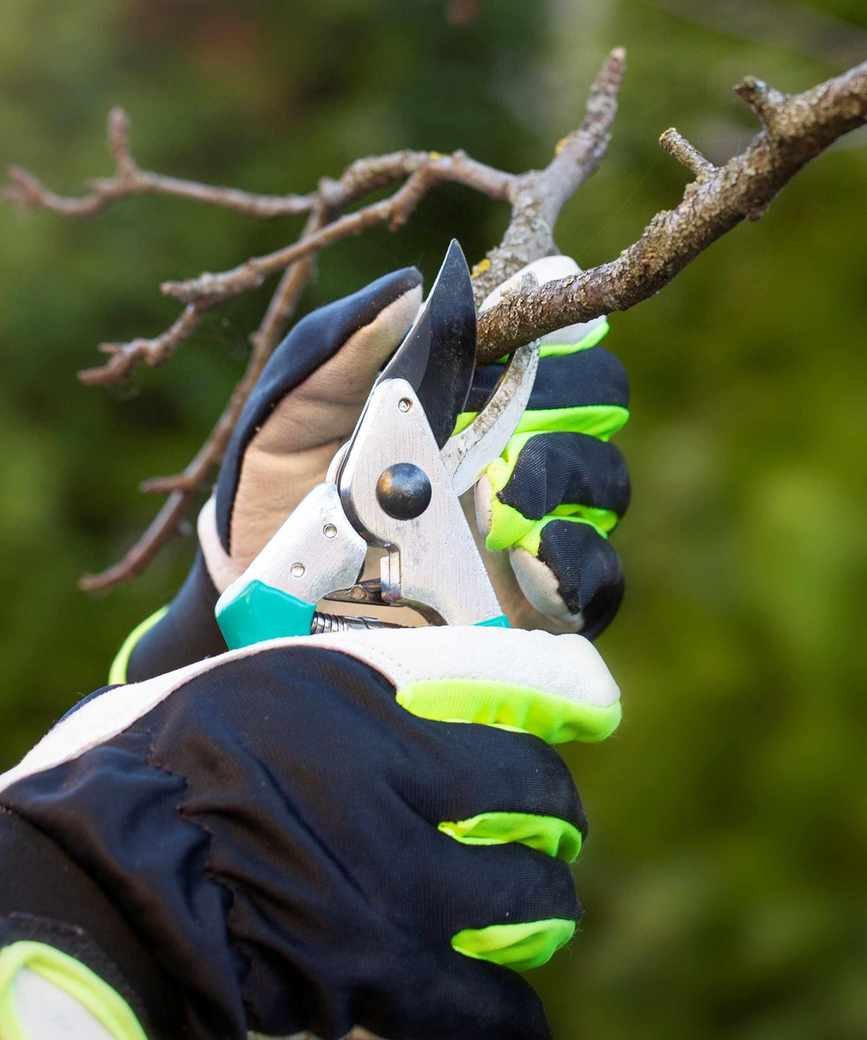
Prune at the correct time of year using clean, sharp tools
9. Avoiding Sentimental Attachments
We all have beloved trees in our gardens (mine is our ornamental cherry), but sometimes we hold onto old, unhealthy, or dangerous trees due to sentiment.
Never keep a tree that poses a risk due to instability or has dangerous branches hanging over walkways or roads. Such trees can threaten people and property if they fall or if branches snap during storms.
If you're uncertain about a tree's safety, consult a qualified tree surgeon for professional advice on removal or pruning.
Additionally, beware of potted Christmas trees that people often attempt to plant after the holidays. What seems like a cute six-foot tree can grow into an 80-foot giant.
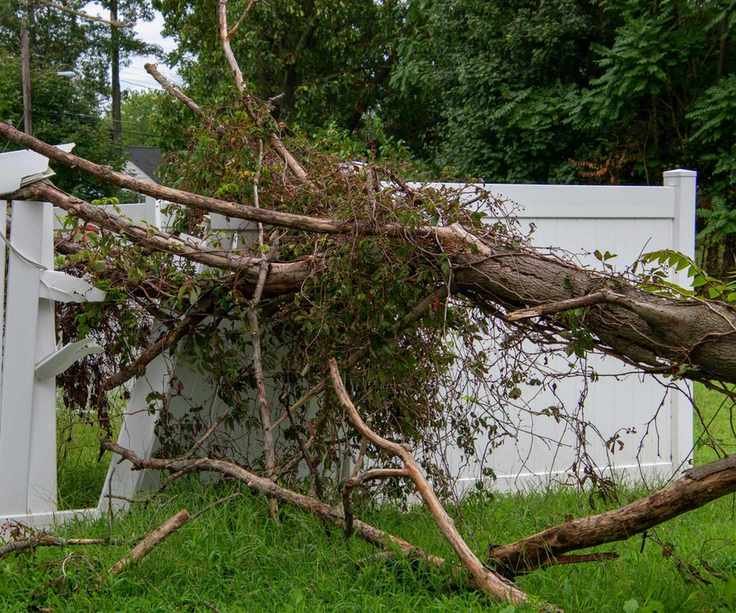
Remove or prune any tree that appears hazardous to prevent potential injuries or damage
Frequently Asked Questions
Is Mulching Beneficial?
After pruning in the fall or spring, trees benefit from a layer of mulch made from well-rotted manure, compost, or shredded bark.
However, always leave a 4-inch gap between the tree trunk and the mulch, as direct contact can soften the bark, leading to peeling and creating entry points for pests and diseases—a common mulching mistake.
Can Lawn Grass Harm My Tree?
Trees look beautiful amidst a lawn, especially when surrounded by spring and summer blooms.
However, grass can threaten young trees; when first planted, leave a 12-inch ring of bare soil around the tree. If grass grows too close, it can rob nutrients and moisture, hindering the tree's growth.
Additionally, long grass near a tree trunk can harbor pests and risks damaging the tree during mowing.
Fall is an excellent time to plant young trees, as the soil is still warm from summer and moistened by rains. This is also the season for bare-root planting, when young trees are removed from the ground with their roots wrapped in burlap—an affordable and effective way to enhance your garden.
Spring is also suitable for planting when the soil begins to warm and trees are ready to thrive.



