
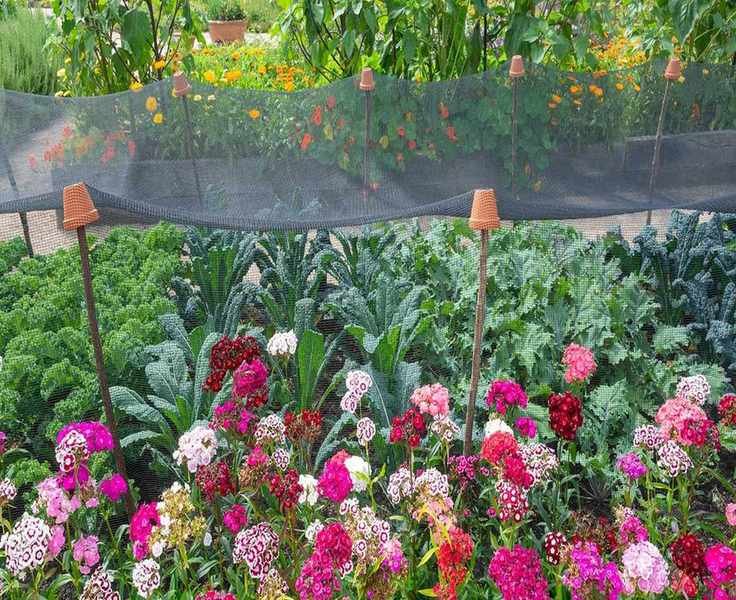
Garden netting serves as a traditional method for pest control in gardens, creating a protective shield around valuable crops while still allowing sunlight and moisture to penetrate. This approach eliminates the need for chemical pesticides, making it a favorable choice for eco-conscious gardeners. However, selecting the wrong type of netting can pose significant risks to wildlife.
The primary concern arises from garden netting with larger openings, which can ensnare small animals, leading to fatal injuries. For example, in Victoria, Australia, where I reside, regulations prohibit the use of netting with a mesh size larger than 5mm by 5mm in home vegetable gardens and fruit trees.
I consulted a gardening expert for her recommendations on choosing the right garden netting. If you're cultivating your own crops, it's essential to heed her advice to prevent unintentional harm.
Why You Should Avoid Garden Netting with Large Holes
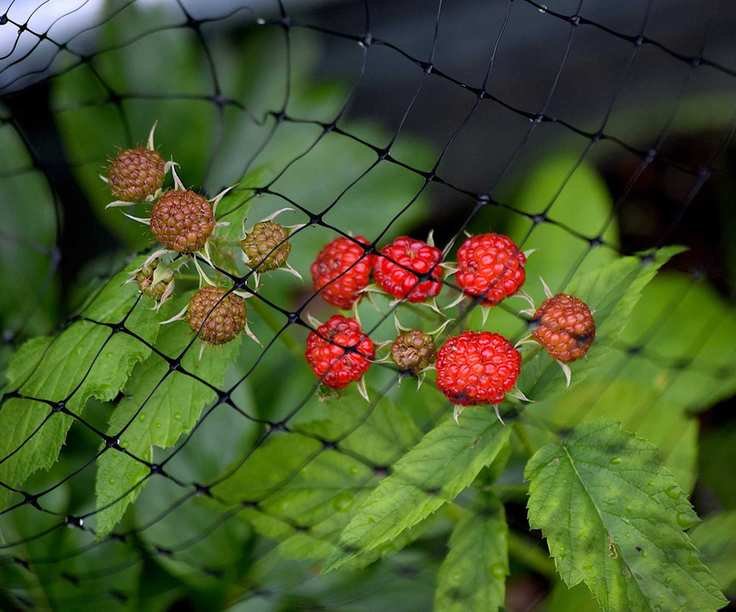
This type of netting can ensnare wildlife while leaving crops vulnerable to small pests.
'I learned the hard way about the dangers of using garden netting with large holes,' shares Kiera Faulkner Jekos, a garden designer and educator at Gardenwell. 'Years ago, I discovered a snake fatally tangled in the plastic mesh I used to protect my strawberries. Since that incident, I've emphasized the importance of selecting and installing garden protection methods that do not endanger wildlife.'
It's not only snakes that are at risk; Kiera points out that birds, small mammals, and beneficial insects can easily become trapped in soft netting with larger holes. 'These nettings sag, particularly when wet, and fail to maintain their shape, which can lead to entrapment.'
Moreover, garden netting with larger openings is not very effective at its intended purpose: protecting crops. Many pest insects can pass through these gaps, and if you've faced challenges with pests like aphids or flea beetles, you're likely aware of the issues they can create.

Kiera Faulkner Jekos is a kitchen garden designer and educator based in New York's Hudson Valley. She founded Gardenwell, where she teaches organic, ecologically conscious gardening methods with a focus on beauty, productivity, and resilience.
Opt for Fine Mesh Netting Instead
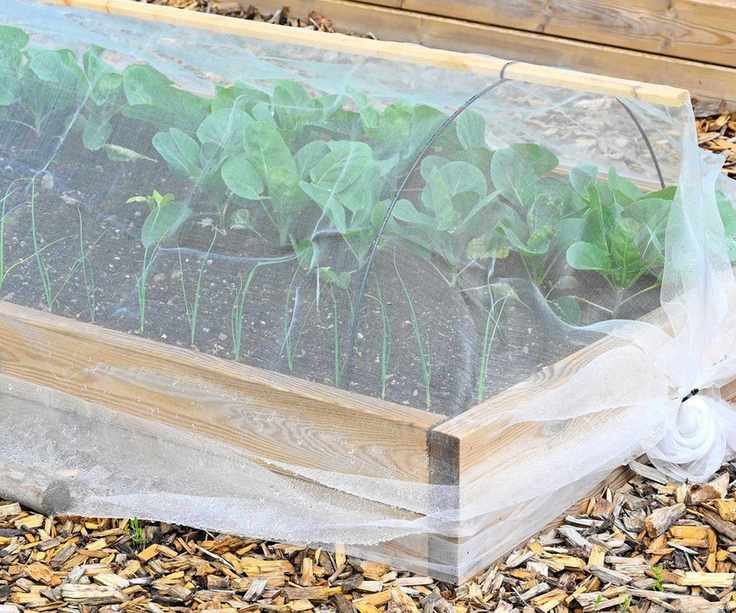
A safer option to keep raised beds free from pests.
Using finer mesh can help exclude smaller pests. Kiera recommends fine insect mesh with holes under 1mm to fend off insects like cabbage whites and potato beetles.
Before making a purchase, check the measurements on the labels. Look for terms like 'Ultra Fine' — these nettings are effective against tiny thrips as well. Fine mesh netting can also deter larger animals.
Kiera advises that insect mesh should be stretched tight and secured to a frame, whether it's a hoop or another structure, to prevent sagging or direct contact with the plants. Ensuring proper installation enhances its effectiveness in protecting your crops while minimizing the risk of wildlife entanglement. The Royal Horticultural Society suggests anchoring the edges to a ground-level board partially buried in the soil or simply burying them.
Pro Tip: While insect mesh primarily serves to keep pests away, it offers additional benefits. Kiera notes that it can soften strong winds and provide relief during heatwaves.
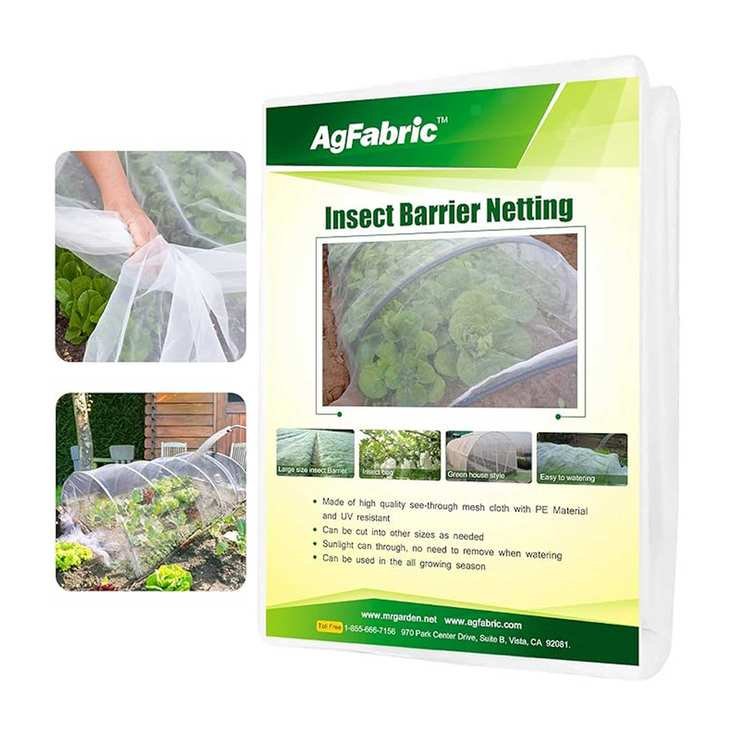 Highly Rated by Customers
Garden Netting
This netting, with a mesh size of 0.03 by 0.03 inches, is perfect for safeguarding crops while protecting wildlife. Various sizes are available.
 Amazon's Choice
Garden Hoops
Combine these flexible fiberglass hoops with fine mesh netting to create protective tunnels over your plants.
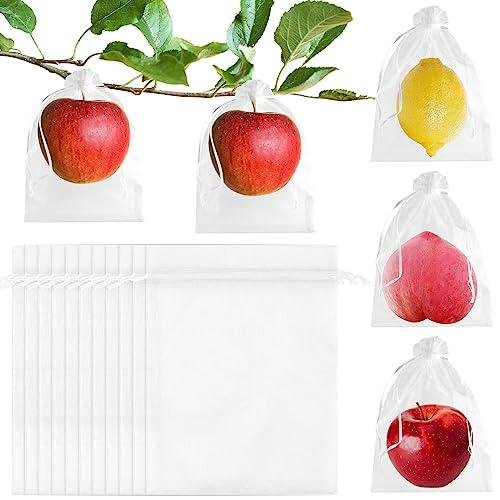 Ideal for Fruits
Reusable Netting Mesh Bags
These reusable mesh bags are perfect for shielding individual fruits from birds and other creatures or insects that may want to consume them.
Frequently Asked Questions
What are the downsides of fine mesh garden netting?
Kiera points out that while fine mesh netting has benefits, there are some drawbacks, so she does not recommend using it to cover entire vegetable gardens.
Firstly, she notes that the mesh restricts airflow, which can lead to humidity issues that require careful monitoring. Additionally, some pests emerge from the soil, while others are surprisingly stealthy, so it's essential to inspect your plants regularly.
Moreover, she encourages gardeners to consider the natural ecosystem in their garden. 'We want to maintain a healthy balance, and many pests serve as food for beneficial insects. Since mesh can also block pollinators, it's best to use it temporarily or for crops that do not need insect pollination,' she explains.
What alternatives exist for keeping pests off crops?
To deter animals such as chipmunks, squirrels, or rabbits, Kiera suggests installing hardware cloth or welded wire mesh with openings no larger than 1/4 inch (about 6mm), attached to a frame.
This hardware cloth from AggFencer available on Amazon comes in gray, green, or black and features 1/8 inch by 1/8 inch openings.
'You can also utilize a pre-made crop cage,' Kiera says. 'With a top, this approach effectively protects berries from birds. If tunneling is a concern, hardware cloth can be placed beneath raised beds or added to the base of fencing.'
After all the effort you've put into growing your own produce, pests can be a nuisance. The good news is that responsible netting usage is just one solution to keep your crops flourishing — there are additional natural pest control strategies to explore. Our guide on eliminating slugs is essential reading for any gardener, or you could investigate the benefits of using diatomaceous earth.



