
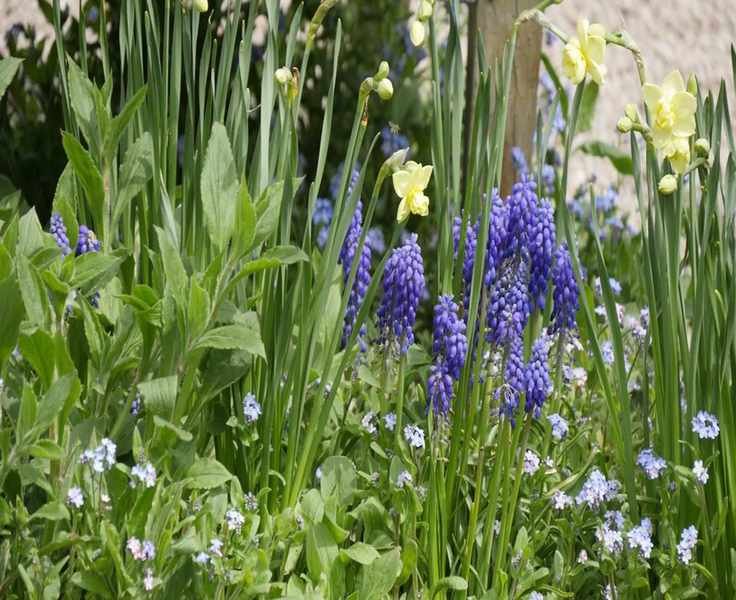
Daffodils, also known as Narcissi, are a beloved bulb that heralds the arrival of spring. Despite winter's chill, these stunning flowers burst forth with vibrant blooms in hues of yellow, orange, white, and cream, bringing joy to gardens everywhere.
While daffodils steal the show, selecting the right companion plants can elevate your garden's appeal. From evergreens to additional flowering bulbs, these plants enhance the colors and textures around your daffodils, creating an eye-catching display.
If you're eager to fill your garden with blooms in the upcoming months, our expert-backed guide provides all the inspiration you need. No matter which varieties of Narcissi bulbs you choose to plant, these companion plants are sure to brighten your outdoor space.
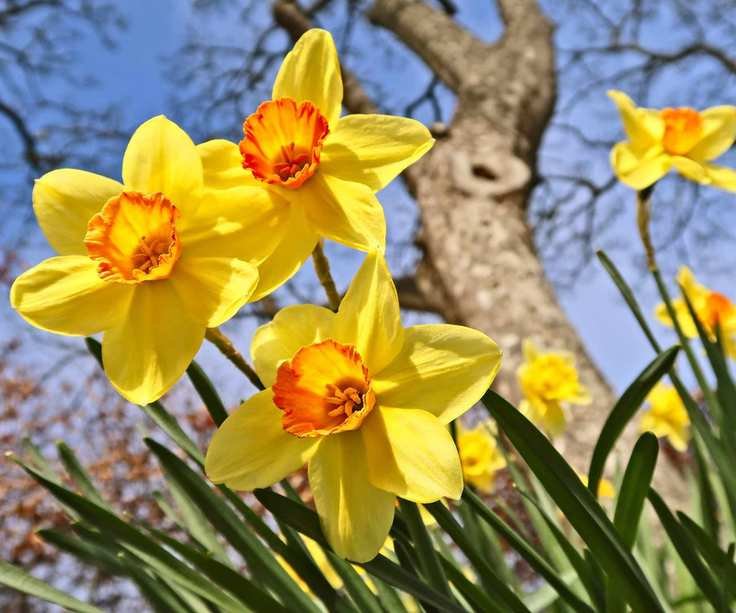
Five Companion Plants for Daffodils
When considering companion planting alongside daffodils, it's crucial to choose perennials, evergreens, or additional flowering bulbs that thrive in similar conditions. Most Narcissi species are cold-hardy, suited for USDA hardiness zones 3 to 7.
These plants generally prefer full sun, requiring at least six hours of sunlight daily, but they can also tolerate partial shade.
1. Monkey Grass
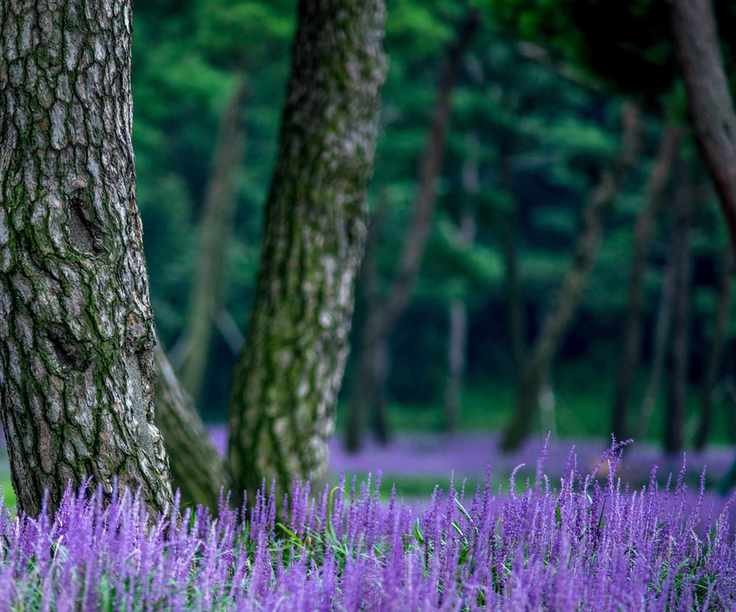
Monkey grass, or Liriope muscari, is an excellent choice for gardeners, according to Mike Murphy, a gardening expert and owner of You Had Me At Gardening. 'This hardy evergreen is virtually pest and disease-free and pairs beautifully with nearly any plant.'
Thriving in US hardiness zones 4 to 10, monkey grass features dark green, grass-like foliage that complements the bright yellow daffodils beautifully as they bloom in spring.
This adaptable evergreen can withstand various weather conditions, from cold northern climates to warmer southern regions. For optimal growth, plant it in a partially shaded area with moist, well-drained soil.
Monkey grass starter plants can be purchased from Amazon.

2. Irises
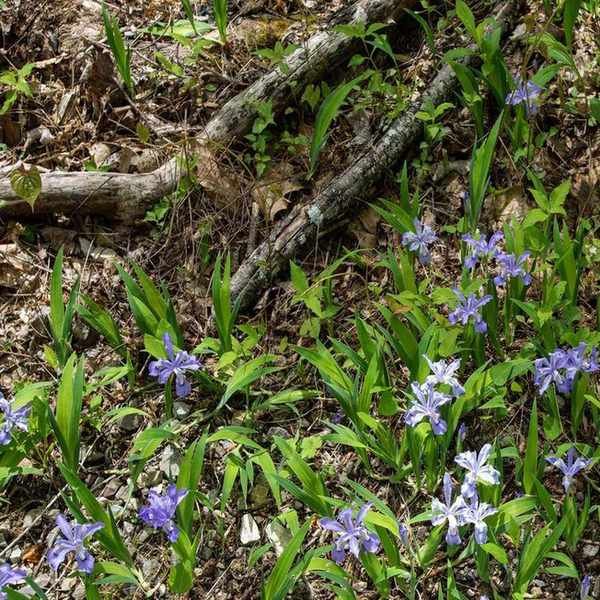
Irises are another fantastic choice to pair with daffodils, offering vibrant blooms from spring through summer. The dwarf crested iris, or Iris cristata, is particularly suitable for smaller Narcissi varieties. Iris cristata rhizomes can be ordered from Amazon.
This compact species typically grows to a height of eight to nine inches, displaying lovely blue and violet blooms that contrast beautifully with white or yellow daffodils.
Iris cristata is among the best native irises and thrives in woodland-like environments, preferring US hardiness zone 4 and above, with a preference for partial shade and slightly moist, rich soils.
There are many early-flowering iris options available, including the pure 'White van Vliet' iris bulbs available on Amazon.
3. Hellebores

Hellebores are quintessential winter flowers. While the rest of the garden may lie dormant, these resilient perennials emerge with stunning blooms.
Several hellebore varieties complement daffodils beautifully, especially the Lenten rose, Helleborus orientalis, which features pale shades like lemon-yellow, white, or soft pink that contrast delightfully with Narcissi.
Hellebores can endure frosty temperatures down to zone 3 and thrive in partial shade with moist soil. In northern regions, it's beneficial to provide them with as much sunlight as possible to withstand frost and snow.
Hellebore live plants can be found on Amazon and can be planted in the fall and winter.
4. Primroses
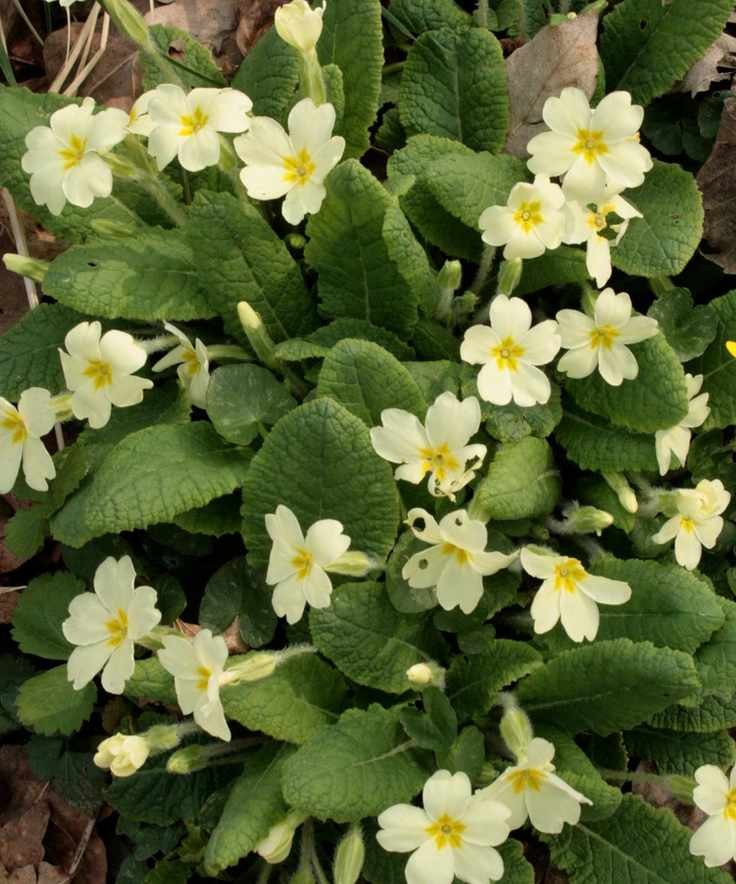
Primroses are among the earliest bloomers in gardens. If you love cottage garden aesthetics, primroses could be the perfect addition to your garden.
You can sow primrose seeds in late winter, around February, or if you're using plugs from a local nursery, plant them after the last frost in April. Primrose seeds are available from Amazon.
Primroses are hardy down to zone 3, thriving in partial shade and moisture-retentive soil. If planted well, they can naturalize beautifully, pairing perfectly with daffodils in sunny meadows.
5. Forget-Me-Nots
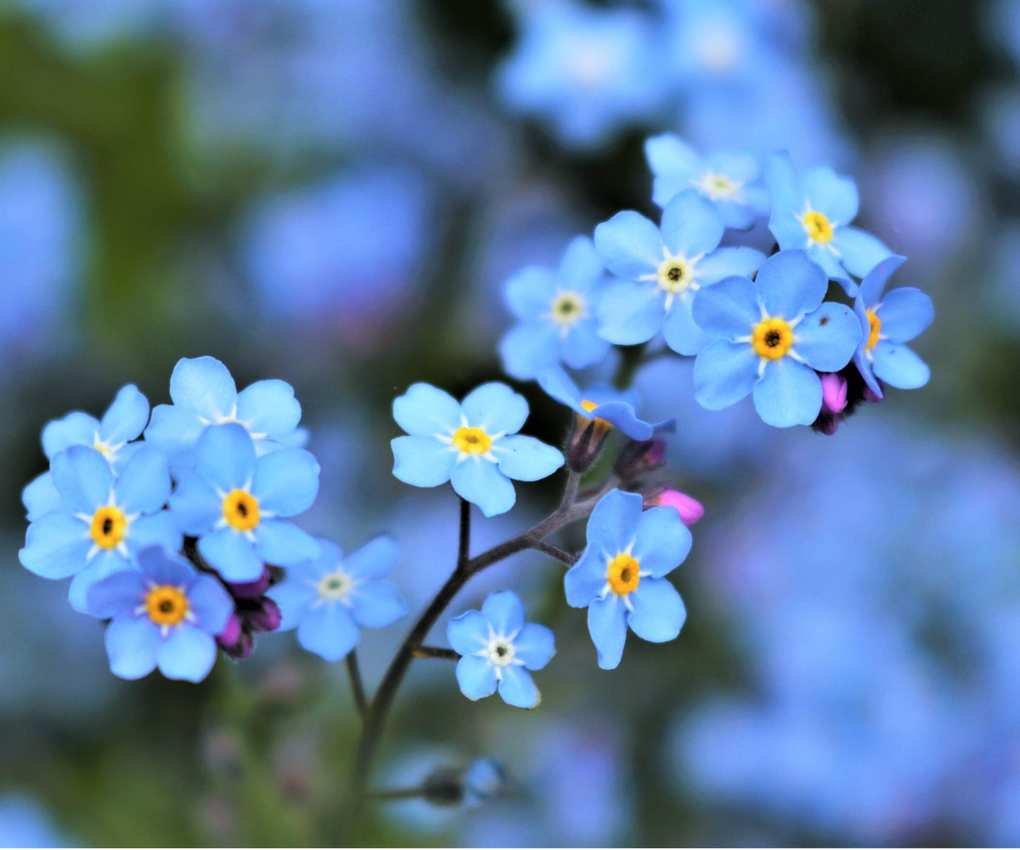
If you appreciate self-seeding flowers, forget-me-nots, or Myosotis, are an excellent choice. Allowing these lovely blooms to self-seed creates a natural appearance in your borders, making gardening feel effortless.
Thriving in USDA hardiness zone 3 and above, forget-me-nots are some of the best annuals for partial shade, flourishing in areas with morning sun and afternoon shade.
For those seeking blue blooms to complement yellow daffodils, these charming flowers are a delightful option. Forget-me-not seeds can be found at Walmart.
FAQs
What Shrubs Pair Well with Daffodils?
Forsythia is an excellent shrub that complements daffodils beautifully. Blooming early in the year, typically in March or April, forsythia provides a stunning backdrop to your daffodil blooms. In my view, the combination of forsythia and daffodils can brighten even the gloomiest winter day.
For more garden inspiration for winter and spring, check out our guide on bulb planting trends for the upcoming year, ensuring your garden stays vibrant and beautiful.



