Flowering trees create stunning summer displays, bringing vibrant colors and attracting various pollinators like butterflies, bees, and hummingbirds to your garden. To enhance their performance, it's vital to prune them at the appropriate time. Here, we highlight five flowering trees that should be pruned in early spring to avoid losing their blooms.
Understanding when to prune trees ensures that the ones in your yard remain healthy and vibrant. This month, focus on summer-flowering trees rather than trimming spring-flowering varieties. Prune summer bloomers right as their buds start to emerge, using clean, sharp tools for the best results.
If you have crepe myrtle, chaste, desert willow, sourwood, or seven-son trees in your garden, make sure to add them to your spring pruning checklist. We'll also share some helpful trimming tips to boost your confidence.
1. Crepe Myrtle
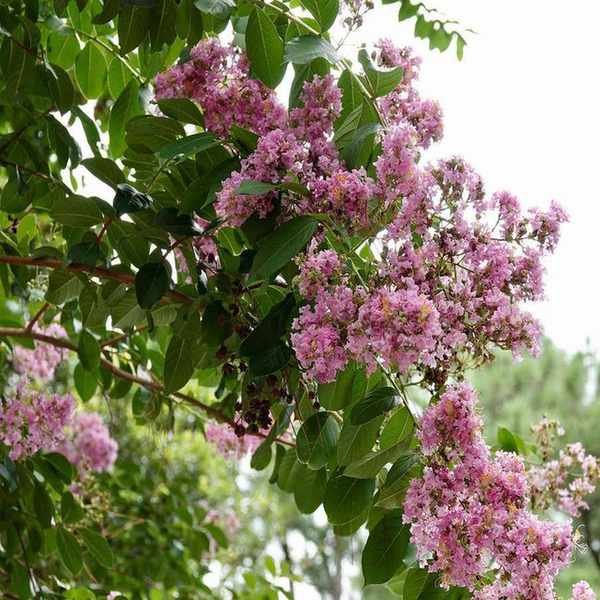
Crepe myrtle trees burst into bloom during early summer, showcasing clusters of flowers in shades of white, pink, red, and purple.
As these fast-growing flowering trees prepare to bloom, the time to prune them is limited. You can safely trim them in early spring, but aim to finish by the end of March.
Pruning isn't always required every year for crepe myrtles. However, when trimming is necessary, it should occur during dormancy, prior to bud break. Since crepe myrtles bloom on new wood, it's essential to allow enough time for the development of new stems that will carry buds and flowers.
Pruning too late will delay flowering and diminish the number of early blooms. Keep this in mind when considering maintenance for your crepe myrtle in March.
You can acquire a Tuscarora Crape Myrtle Tree at Fast Growing Trees, which dazzles with coral-pink flowers in the summer.
2. Chaste Tree

The chaste tree, or Vitex, is a small tree or shrub that thrives in US hardiness zones 5-9. It produces fragrant panicles of pink, lavender, or white flowers in summer, attracting butterflies.
Vitex flowers bloom on new wood formed during the current season, so pruning should take place in late winter or early spring. The ideal time to trim is just as new growth begins to show, ensuring that you don't miss out on the beautiful, fragrant flowers.
Trimming a chaste tree is simple; just remove any dead, diseased, or damaged branches using sharp pruning tools and lightly shape the tree as needed.
Keep in mind that vitex is considered an invasive species in certain areas of the southern and western US, as it readily self-seeds in warmer climates. Be sure to check the status of this tree in your region before planting it in your yard.
If you own a chaste tree, removing spent flowers can help prevent unwanted self-seeding.
3. Desert Willow

The desert willow, as its name suggests, thrives in dry conditions and is an excellent choice for sandy soils or xeriscaping. It is native to the southwestern US and Mexico, and can be cultivated as a large shrub or small tree. Despite its name, it is not a true willow but belongs to the same family as catalpa and campsis.
The compact size of the desert willow makes it suitable for smaller backyards, and the rewards it offers are remarkable, featuring orchid-like, trumpet-shaped flowers in vibrant shades of pink, purple, or white, often adorned with patterned throats.
Prune a desert willow in late winter or early spring, as they bloom on new wood. Pruning encourages the growth of flower-bearing stems for the summer. Not only will you enjoy the stunning blooms, but the flowers will also attract bees and butterflies. Delay pruning, and you risk losing weeks of potential flowers for both you and the pollinators.
While desert willows can self-seed, seedless varieties are available, such as the Sweet Bubba Seedless Desert Willow, which features bright magenta flowers and glossy leaves, and will not spread uncontrollably in your garden.
4. Sourwood Tree

The sourwood tree, often referred to as the sorrel tree, is a small, low-maintenance tree that produces fragrant white flowers in early summer.
These blooms resemble lily-of-the-valley flowers, drooping gracefully to attract pollinators. Sourwood trees are beautiful throughout the year, offering vibrant fall colors and architectural interest in winter.
The sourwood tree is low-maintenance and grows slowly, requiring minimal pruning. The ideal trimming window is during dormancy, from late fall to early spring.
Don't wait too long to prune, as doing so not only risks missed flowers but may also lead to sap loss if you trim too late into spring. Excessive sap loss can stress the tree and make it vulnerable to pests and diseases.
5. Seven-Son Flower Tree

This small tree or large shrub quickly develops its flower buds once it begins to grow in early spring, so it's important to prune promptly to avoid losing those stunning blooms.
Even though the fragrant white flowers will not appear until late summer, the buds start forming early, which means that late pruning can remove them before they have a chance to bloom.
The good news is that extensive pruning is not needed every year. Focus on removing dead, diseased, or damaged branches, along with weak, crossing, or inward-growing stems. This practice promotes a healthy canopy, allowing air circulation and light penetration.
Use a pair of clean, sharp pruning shears for this task. A high-quality pair of pruning shears can last for many years; for instance, the Felco F2 pruners, available at Amazon, are professional-grade tools with replaceable parts, ensuring they can last for decades.
You can obtain a Temple of Bloom Seven-Son at Plant Addicts, which will impress with its white flowers in summer. These flowers will later develop into red bracts, offering another stunning display at the end of the season.
For additional pruning advice in early spring, check out our guide on plants to prune in March, which outlines what you should and shouldn't trim this month, including trees, shrubs, grasses, and perennial plants, helping you avoid any harm to your plants early in the season.
Explore Pruning Tools

Fiskars Pruning Set
This comprehensive set includes bypass pruning shears, bypass loppers, and a pruning saw. All tools feature steel blades, equipping you with everything necessary for effective tree pruning.

Extendable Pole Pruner
This lightweight 16-foot pole saw allows you to reach high branches with ease. Constructed from high-grade fiberglass, it features a 14-inch steel saw blade.

Felco Folding Saw
This pruning saw is ideal for cutting large tree branches. It features steel, rust-resistant chromed blades that can easily cut through thick stems.