
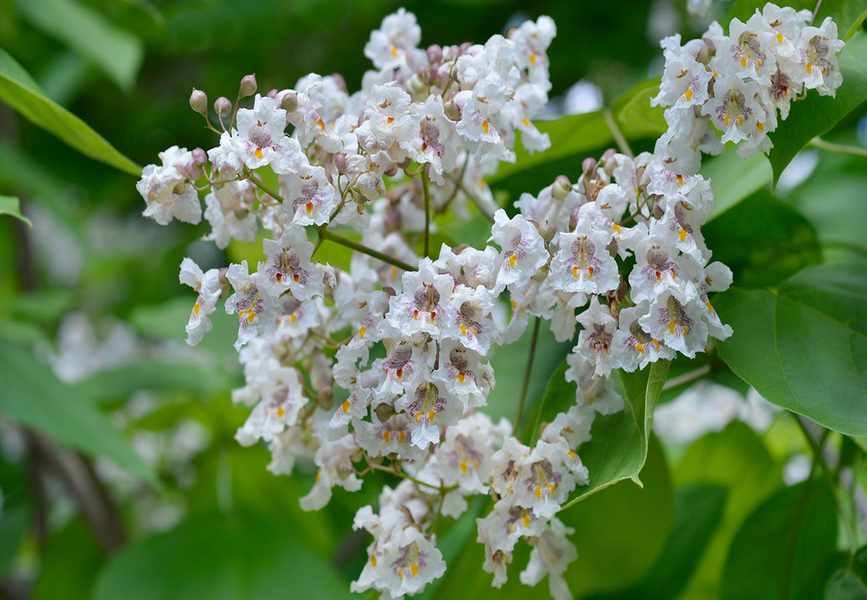
The catalpa tree, renowned for its striking heart-shaped leaves and vibrant spring blooms, brings a dramatic touch to any garden. Not just a shade-giving giant, it can also be pruned into a striking shrub, adding visual interest to your landscape. Despite its tropical vibe, it's surprisingly easy to cultivate.
There are around 10 types of catalpa, found in regions from East Asia to the Caribbean and the eastern and southeastern United States. Known as the Indian bean tree, it has no ties to India or edible beans. The name references Native North Americans, with suggestions that a European botanist misnamed it after the Catawba tribe.
As one of the most stunning fast-growing flowering trees, catalpa showcases its showy blooms from late May, bridging the gap between spring and summer flowering plants. The nectar-rich blossoms attract bees and other pollinators. When selecting a catalpa for your yard, consider your available space: wild types can grow massive, while cultivated varieties are more manageable. Horticultural techniques like pollarding can also help limit their size.
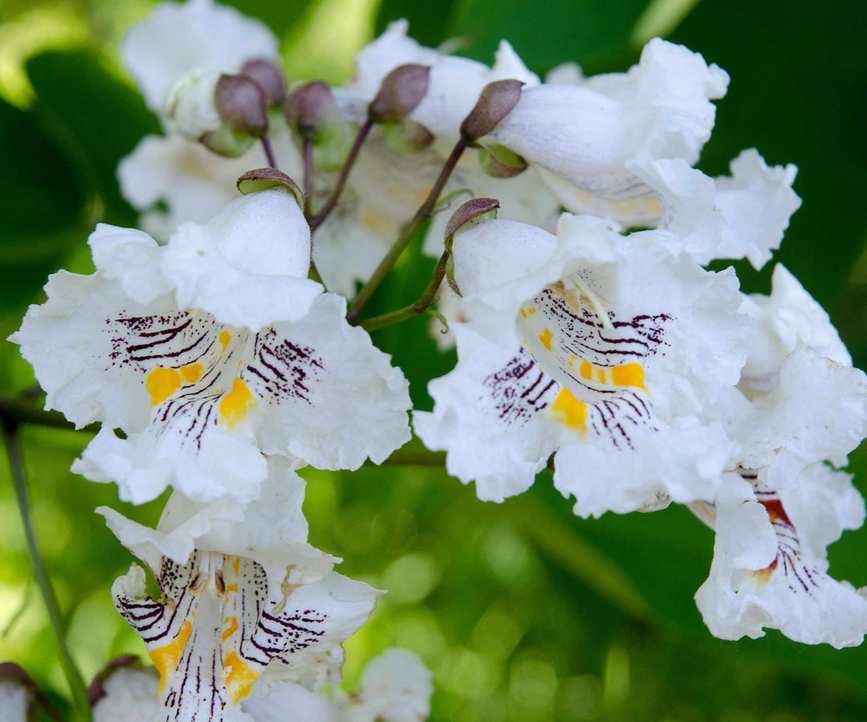
The striking white flowers of the catalpa tree captivate in late spring and early summer.
Catalpa Key Facts
- Type: Deciduous tree
- Mature size: Ranges from 6ft to over 39ft based on variety
- Soil type: Broad tolerance once established
- Soil pH: Acidic to neutral (5.5-7.0)
- Best planting times: Spring or fall
- Flowering period: Late spring to early summer
- Flower hue: White with purple markings, resembling foxgloves
- Hardiness zones: USDA 4-9, depending on species
- Scientific name: Catalpa
- Common names: Indian bean tree, cigar tree
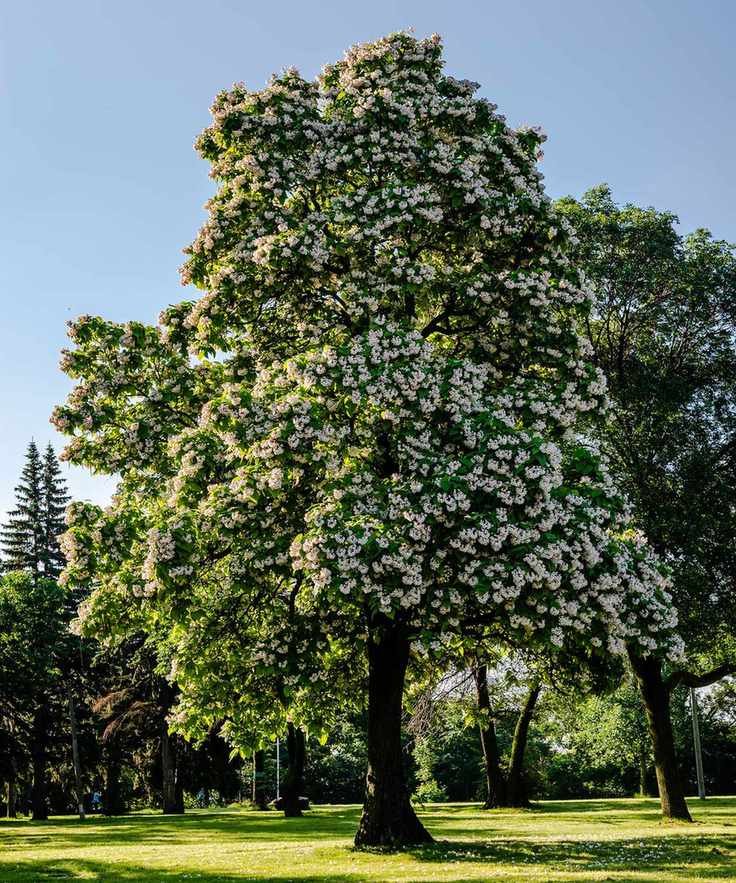
The Northern catalpa tree is suitable for USDA zones 4-8.
Types of Catalpa
- North American wild types include C.speciosa and C.bignonoides, both of which can grow quite large and serve as excellent shade trees.
- For smaller spaces, consider C.bignonoides 'Nana', which remains under 6ft. Typically grafted onto taller rootstock, it rarely blooms and can be shaped into forms like a lollipop.
- Mid-sized gardens can benefit from C.bignonoides 'Aurea', which grows between 19ft and 29ft tall and 15-20ft wide, offering a burst of golden foliage. C.erubescens x 'Purpurea' features purple spring leaves that transition to green and can reach 32ft.
- C.speciosa, the northern catalpa, is suitable for US hardiness zones 4-8 and can grow 40-60ft in 20 years. C.bignonoides is preferred for zones 5-9, reaching heights of 30-60ft.
While both species appear similar, C.speciosa typically grows taller with a more upright form, larger and fewer flowers, while C.bignonoides has a more spreading crown with smaller developed varieties.
Roger Davis, a landscape manager, advises consulting local nurseries for the best options for your area.
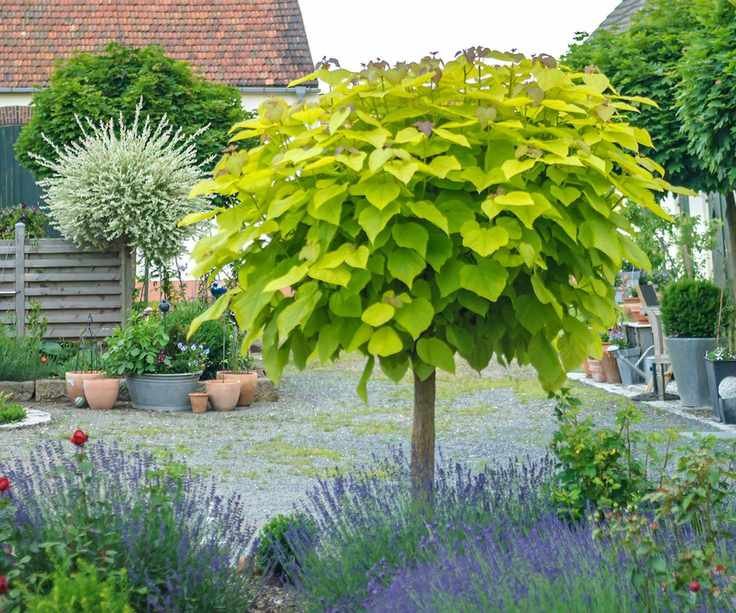
Catalpa bignonioides 'Aurea'
Utilizing Catalpa in Your Landscape
As a solitary specimen tree, catalpa delivers impressive aesthetics, but its rapid growth requires caution around overhead wires. Although it prefers moist soil, it's classified as a low-water-demand tree by the Royal Horticultural Society, which suggests planting low-water trees at least half their height away from structures like homes or pools.
Keep in mind the broad, rounded canopy of catalpa. For instance, if planting C. 'Aurea', a distance of 15-20ft from your house is prudent.
The foliage of catalpa contrasts beautifully with various leaf shapes and flower colors. The vibrant yellow leaves of C. 'Aurea' pair nicely with purple-flowering perennials like Salvia nemorosa and Allium 'Globemaster', while daisies such as Rudbeckia and Leucanthemum provide lovely late-summer companions.
Catalpa x erubescens 'Purpurea' features dark purple young leaves in spring that eventually darken to green, complementing bright red dahlias and orange tagetes for a striking display.
Pollarded catalpa trees, shaped like lollipops, can create stunning vertical features in modern gardens, especially when arranged geometrically. They thrive when given enough space to shine.
Regular coppicing allows catalpa to flourish in borders, where their impressive foliage can be integrated into designs. Pair them with late-season plantings like Miscanthus grass and sedum.
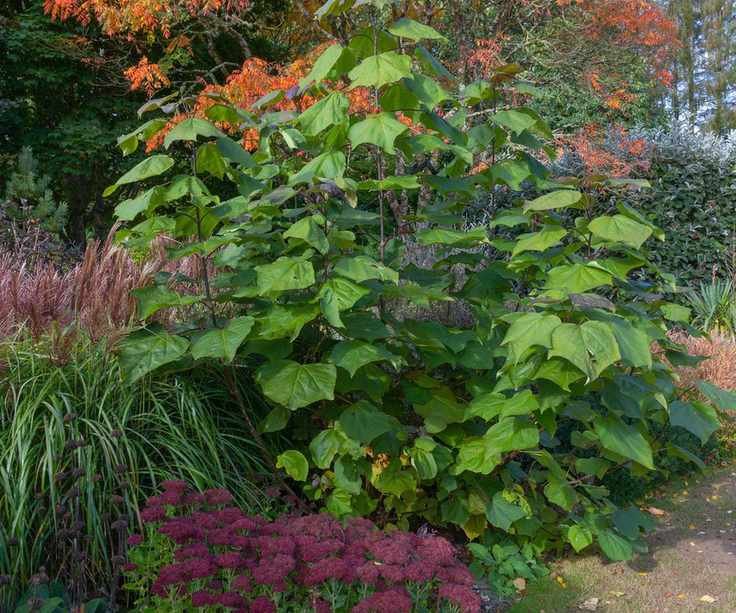
Catalpa x erubescens 'Purpurea'
When and How to Plant Catalpa
Spring or fall are the ideal times to plant catalpa, benefiting from warm soil and increased rainfall. Choose a sunny spot that receives at least six hours of sunlight daily. While hardy, late frosts can damage new leaves in spring, and wind can tear the foliage, so select a sheltered location.
Catalpa flourishes in deep, moist, fertile soil, but adapts well to various soil types. Regular mulching with organic materials like homemade compost or well-rotted manure in spring enriches the soil and helps retain moisture.
When planting, dig a hole matching the rootball's depth and slightly wider. Carefully remove the tree from its pot, ensuring the top of the rootball is level with the ground, and backfill with the original soil. Firm the soil around the rootball with your heel.
Keep the area around your new tree weed-free to prevent competition for moisture and nutrients. Water regularly and apply fertilizer in early spring to promote growth.
Although catalpa is native to the eastern and southeastern US, it can successfully be grown throughout the country, as reported by the gardening community on Davesgarden.com.
For warmer southwestern regions, Roger Davis recommends considering the chitalpa as a suitable alternative.
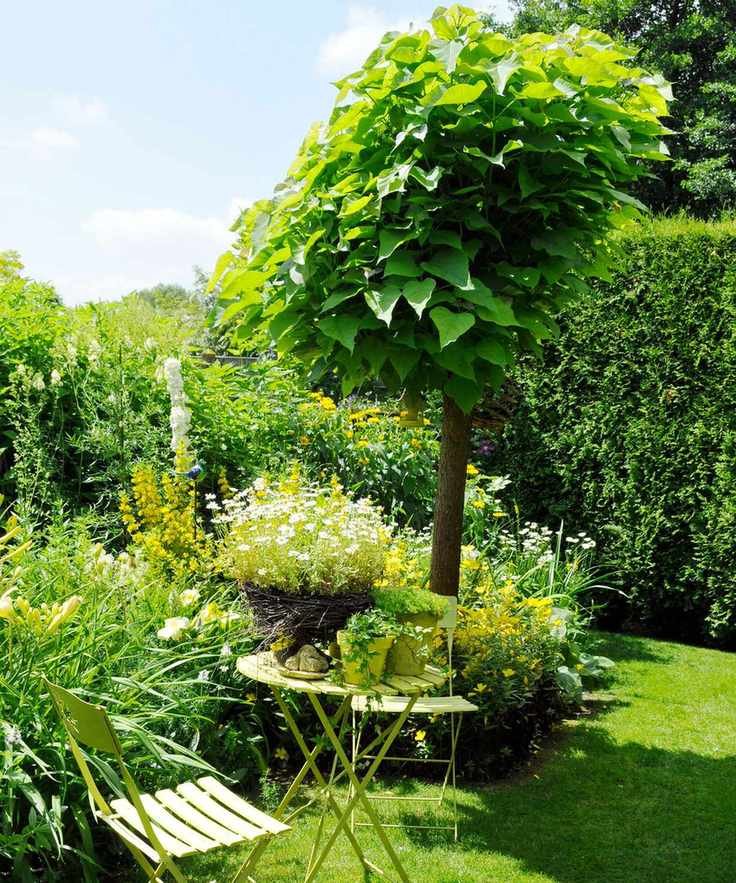
Catalpa trees can thrive in most parts of the US.
Catalpa Care Essentials
To keep catalpa manageable and prevent it from growing too large, regular coppicing or pollarding is necessary. This involves cutting back all stems to ground level or to a height of 5-6ft each winter. It's a quick task but essential for maintaining a smaller tree while encouraging large leaves (up to 18in across).
Properly carry out pollarding and coppicing by ensuring your pruning tools are clean and sharp. This prevents any diseases from entering the tree through clean cuts.
Catalpa trees have adapted to leaf out later in spring to avoid frost damage, so don't worry if yours doesn't sprout until June.
Propagating Catalpa
You can propagate catalpa from fresh seeds year-round or from softwood cuttings in summer. According to Treeseedonline.com, soak seeds in water for 24 hours, then mix with dry sand to facilitate easier sowing.
To sow, fill a seed tray or pot with quality potting compost, firm gently, and sow seeds on the surface, ensuring they receive light for germination. Water lightly and cover with a transparent lid to maintain humidity at room temperature.
Seeds will germinate over the next weeks. Transplant the seedlings into small pots when they're big enough to handle. Grow them out of direct sunlight and protect from frost for the first couple of winters. Harden off in spring before planting outdoors.
Common Issues and Solutions
Catalpa can create a significant amount of leaf litter in the fall, along with dropped seed pods. Be ready for some raking, but the large leaves are easy to collect. You may also need to manage unwanted seedlings in spring. These fallen leaves can be composted into leaf mold.
In late summer, the foliage may develop powdery mildew, which can be treated with fungicide, though it may be simpler to wait for leaf drop in fall, gather the leaves, and dispose of them safely.
Occasionally, catalpa worms can defoliate trees in summer. Look for caterpillars on the leaves; these white-yellow larvae have a black head and a horn-like appendage. Healthy trees can endure complete defoliation and often produce new leaves if this occurs early in the season, according to PennState Extension. Repeated infestations may harm weakened trees, and it might be best to replace them with another species. Pesticides containing Bt (Bacillus thuringiensis) are effective against caterpillars when they're young.
By selecting appropriate growing conditions and ensuring new catalpa specimens start strong, you can cultivate a thriving tree.
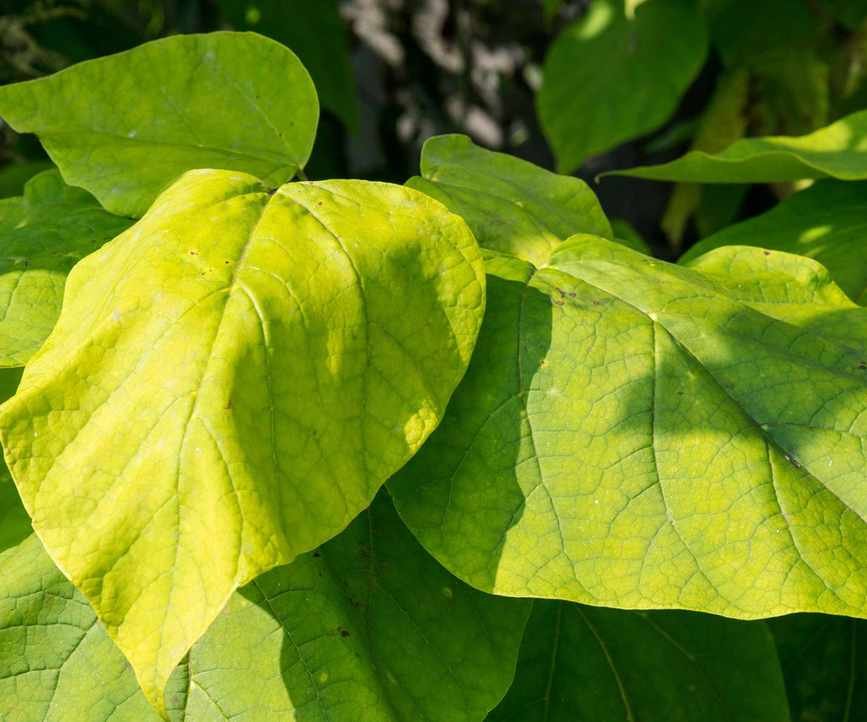
The lush green leaves of a catalpa bignonioides.
FAQs
Is catalpa a hardy species?
Catalpa is hardy, tolerating temperatures down to -20˚F, while Northern catalpa (Catalpa speciosa) can endure as low as -30˚F.
Can catalpas thrive in shaded areas?
Catalpa trees require sunny, sheltered locations and are not suited for shaded spots. They tolerate various soils, but thrive in well-drained, moisture-retentive conditions.
Are catalpa trees native to North America?
With approximately 10 species, two of these—C.speciosa and C.bignonoides—are indeed native to North America.
Catalpa trees are resilient and require minimal maintenance, making them excellent choices for front and backyards. By selecting the right variety for your region and space, you'll find them easy to care for, especially with regular pruning to control their size.



