
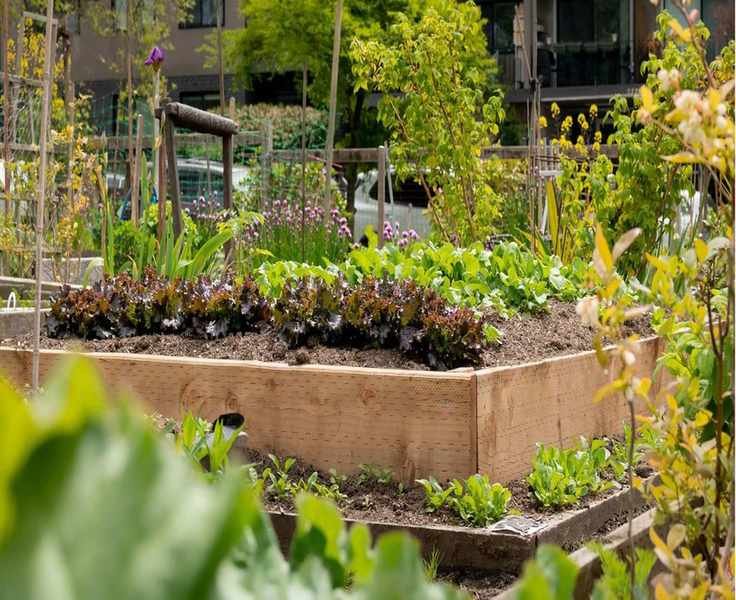
As the warm days of summer fade away, it might seem like time to put your garden to rest. However, with raised garden beds, you can continue to cultivate your space well into the fall. These beds provide a unique opportunity to maintain productivity and interest in your garden as temperatures drop.
While many ideas for raised beds focus on spring and summer, utilizing them in the fall can extend your gardening season. Here are some expert-recommended approaches to keep your raised beds flourishing during the chillier months.
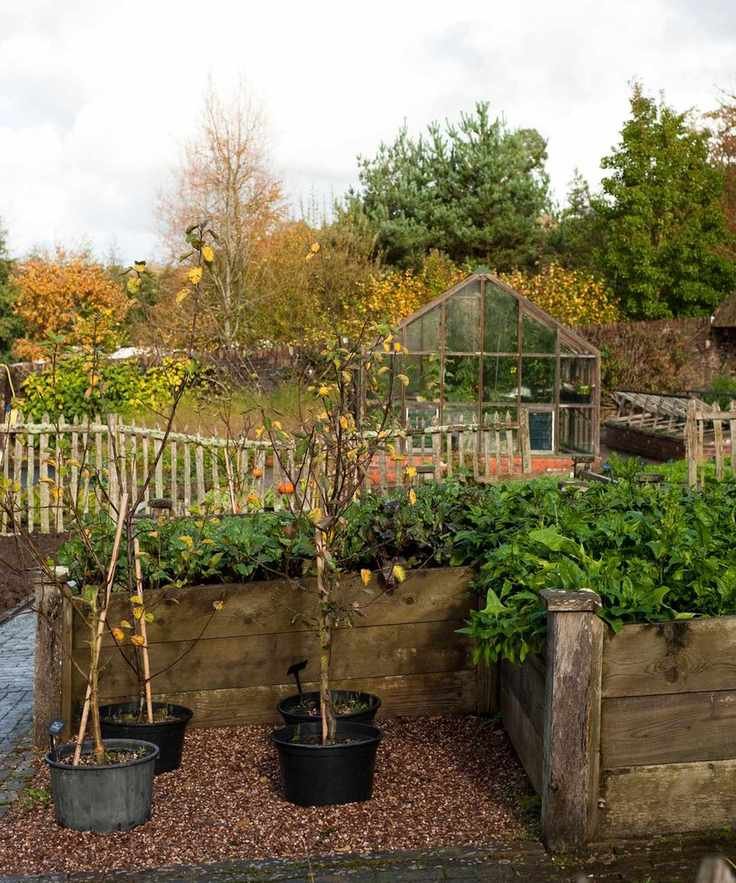
5 Creative Uses for Raised Garden Beds in Fall
Transforming your raised beds from summer to fall should be a priority on your gardening checklist. Here are five engaging ways to optimize your raised garden beds this autumn:
1. Cultivate Cool-Season Crops
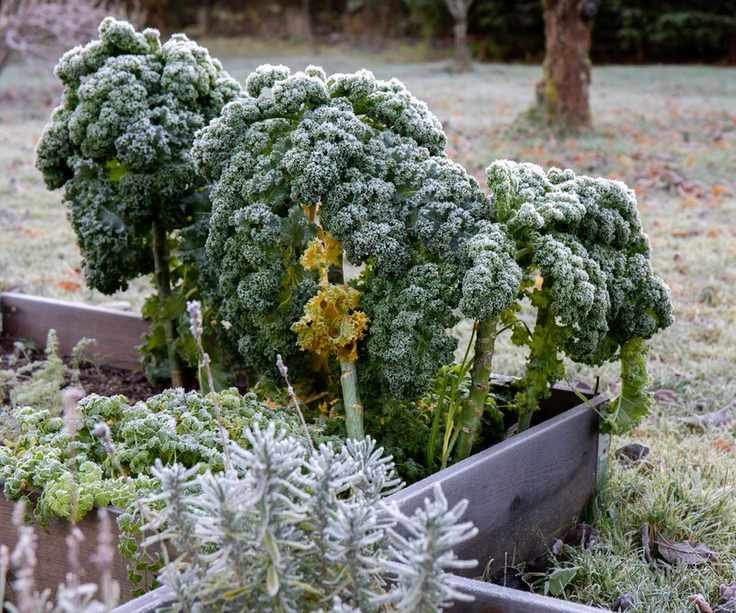
Despite cooler temperatures, your garden can still yield a bountiful harvest. There are numerous vegetables that thrive when planted in September for fall and winter harvests.
'You can keep planting in your raised beds as autumn arrives,' explains an experienced homesteader. 'The soil warms up faster than ground soil, allowing you to grow cool-weather crops. Use row covers or cold frames to extend your growing season,' she adds.
Use cold frames and row covers to shield your crops from winter pests. Choose crops that can withstand fall conditions to ensure a successful harvest.
Consider planting radishes or kale for a nutritious bounty.

2. Plant Bulbs for Spring Blooms
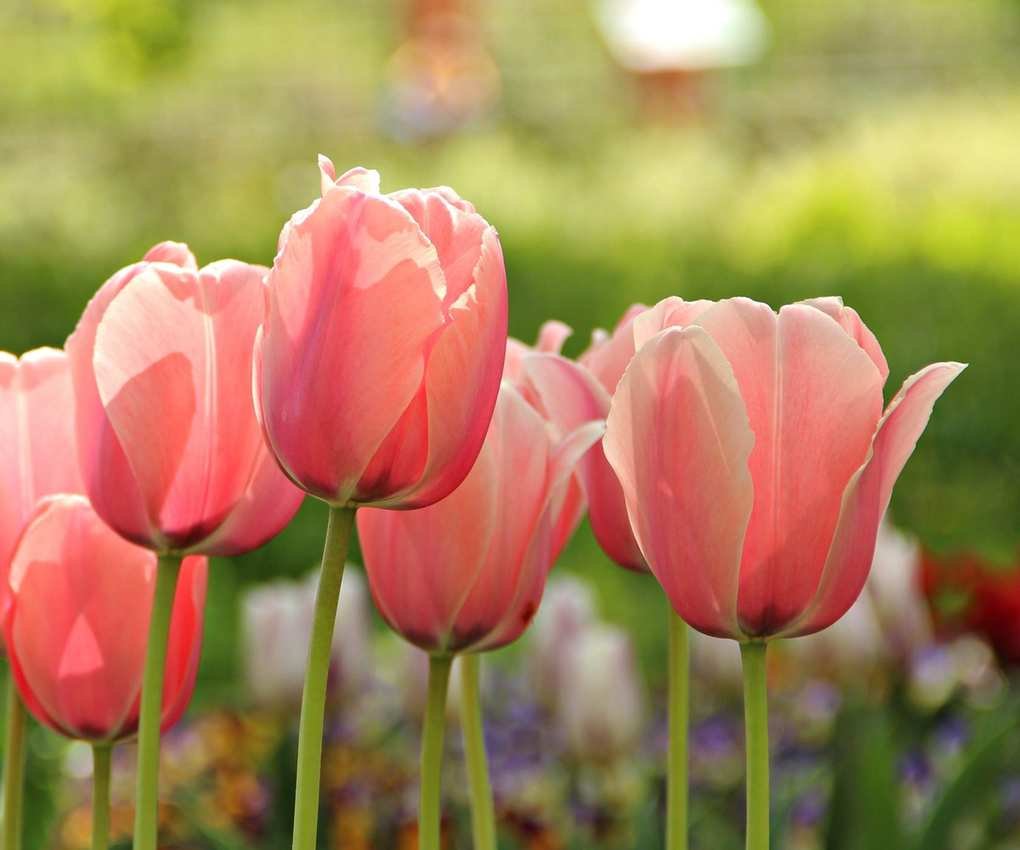
Fall is ideal for planting spring bulbs before the frost hits. Raised garden beds are perfect for this, setting you up for a vibrant spring display.
'Bulbs like hyacinths, tulips, and daffodils need a cold period to establish roots and bloom in spring,' notes a botany expert. 'Raised beds provide superior soil quality and drainage compared to traditional plots.'
To enhance your blooms, consider creating a layered bulb lasagna. Just be cautious of common planting mistakes that can affect growth. Using tools like a bulb planter with depth markers can help ensure proper planting.
3. Keep Seedheads for Visual Appeal
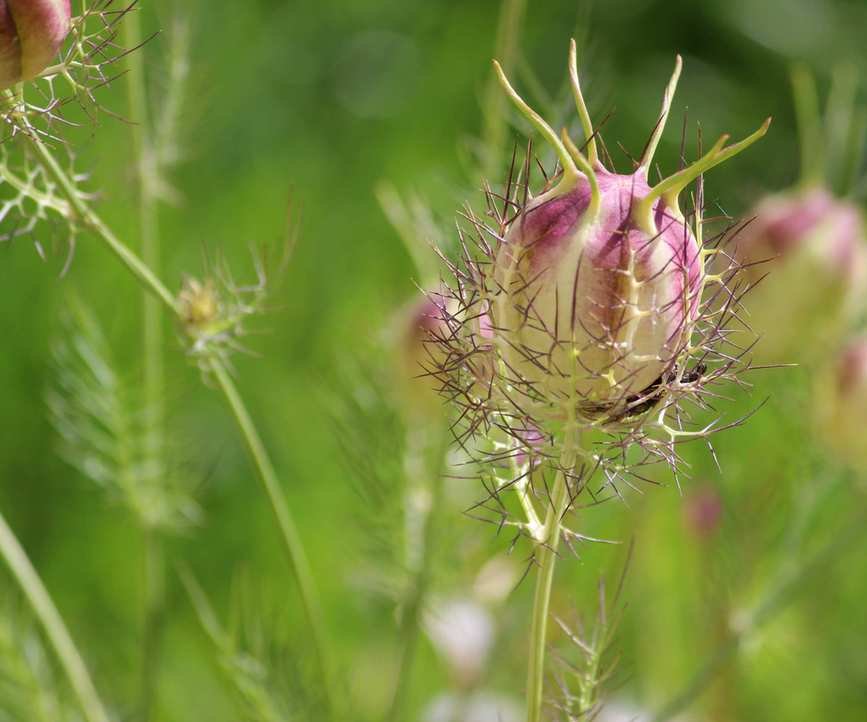
Seedheads can add a unique architectural element to your garden. Leaving them intact not only provides visual interest but also serves as a food source for birds during winter.
Plus, once dried, these seedheads can be collected for planting in spring or used in dried arrangements. Just use sharp scissors or pruners to cut them carefully.
4. Add Fall Flowers for Color
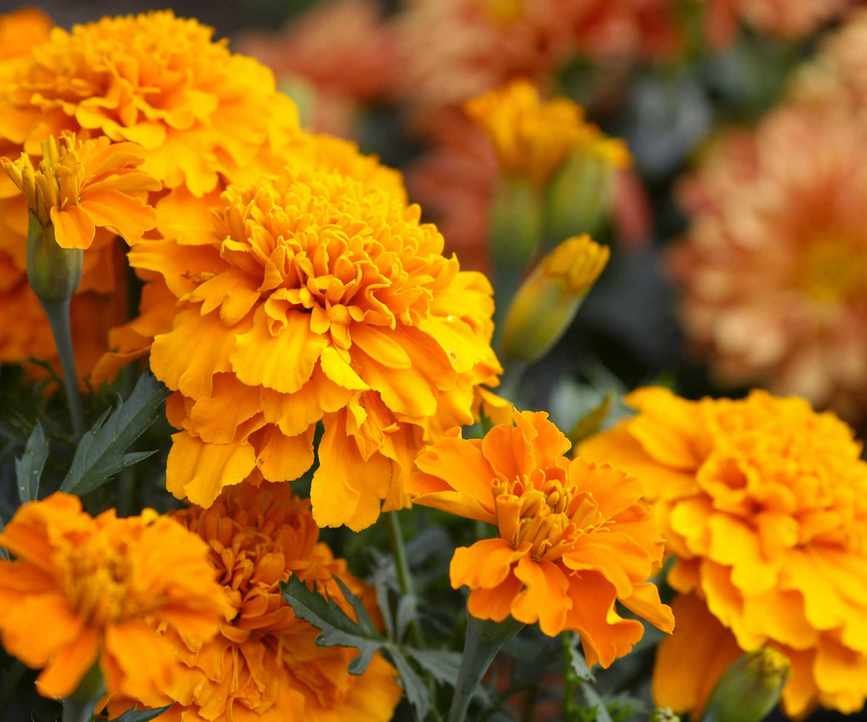
Numerous vibrant fall blooms can brighten your garden during the cooler months. Consider replacing fading summer flowers with those that thrive in fall.
'For vibrant autumn colors, plant pansies, violas, marigolds, and snapdragons,' suggests an expert. Violas are reliable cool-weather plants that will bloom through winter, providing continued color.
Find viola seeds for your fall display, or transplant seedlings into your raised bed for winter blooms.
5. Establish a Compost Pile

Although spring is typically ideal for starting a compost pile, fall raised beds can also serve as a great composting location.
'This technique allows you to dispose of organic waste while enriching the soil,' explains an expert. It's similar to lazy composting where organic matter breaks down naturally.
Begin by layering your raised bed with materials like vegetable scraps and coffee grounds. Don't forget to include brown materials like paper and woody stems, which are essential for successful composting.
Spread these layers evenly, then top with well-rotted compost or manure. To accelerate the process, adding a handful of composting worms can be beneficial.
Ensure you avoid common composting mistakes and take steps to prevent freezing during winter, like using a tarp for insulation.
This approach will yield rich compost by spring, ready for your next planting season.



