
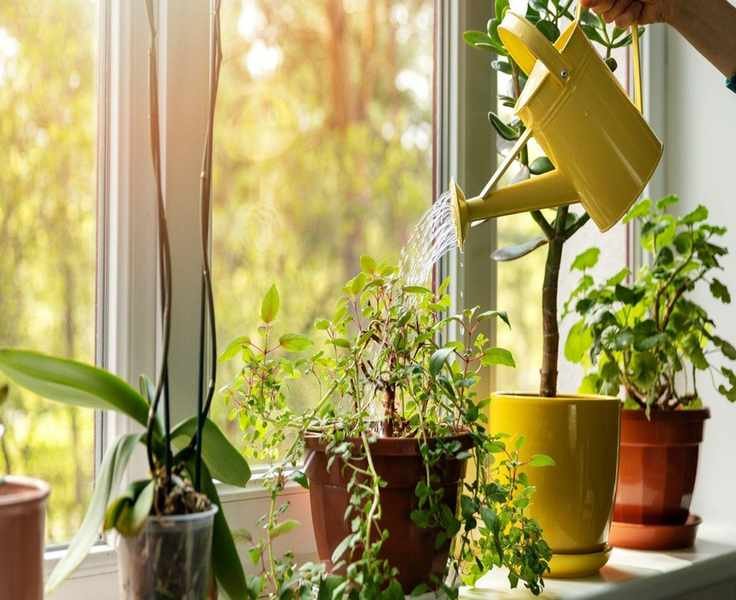
Overwatering plants is a frequent error that can be as harmful as underwatering. Excess moisture may suffocate roots, leading to plant death.
Fortunately, there are effective strategies to revive an overwatered plant and restore its health. Solutions range from halting water supply until the soil dries to relocating or repotting the plant in fresh soil.
Determining when to water plants can be challenging, especially for beginners. Recognizing the classic signs of overwatering allows you to act swiftly and manage moisture levels effectively.
What should I do if my plant is overwatered?

Always assess soil moisture below the surface before watering your potted plants.
Overwatering often results from eagerness and misjudging the moisture needs of plants. This issue can arise year-round, especially in winter, as well as during hot weather.
To prevent overwatering, consider bottom watering for potted plants. Tools like self-watering planters (our top pick is below) or DIY drip irrigation can aid in managing water levels indoors or in container gardens.
Recognizing signs of overwatering is essential. Look for yellow or brown leaves, wilting, or green soil indicating algae growth.
If you notice any of these symptoms, promptly investigate potential overwatering. While houseplants are commonly affected, outdoor plants can also suffer from excess moisture, showing similar signs.
Start by checking the soil moisture at the plant's base. For potted plants, use your fingers to gauge moisture levels several inches deep. Even if the top layer appears dry, the soil below may still be overly wet, which can lead to problems if more water is added. Alternatively, use a soil moisture meter for an accurate reading. Sonkir's meter is a top seller on Amazon with over 30,000 positive reviews and can also measure soil pH.
If overwatering is the culprit, take these simple steps. The best course of action depends on how quickly you've noticed the signs and the degree of soil saturation.
ETGLCOZY Self-Watering Planter Pots | available on Amazon
This set of five self-watering pots can hold water for up to 14 days per fill, with a clear window to monitor water levels. They're perfect for indoor plants and help prevent overwatering.
1. Stop watering
It might seem straightforward, but halting water supply to an overwatered plant is crucial. Adding more water exacerbates the issue and increases the risk of root rot.
Allow the soil to dry out before watering again. If you catch the problem early, letting the soil dry and adjusting your watering schedule can often resolve the issue.

Avoid adding water if you suspect overwatering.
2. Repot the plant
Re-potting can aid recovery from overwatering by improving the soil type. If the soil is too wet, it may be possible to lift the plant out and let it air dry for a few hours. If not, repotting into fresh soil is the best option.
Follow these five steps to repot an overwatered plant:
- Remove the plant from its pot, trying to eliminate as much wet soil as possible.
- Check the roots and trim any that appear brown or smell decayed.
- Select a pot with drainage holes at the bottom. You can reuse the same pot after cleaning it.
- Use a free-draining compost mix, such as Premium Organic Potting Mix, and add perlite or grit for better drainage. Avoid reusing old potting soil or using garden soil.
- Place the pot in a shaded area and refrain from watering until the soil feels dry.
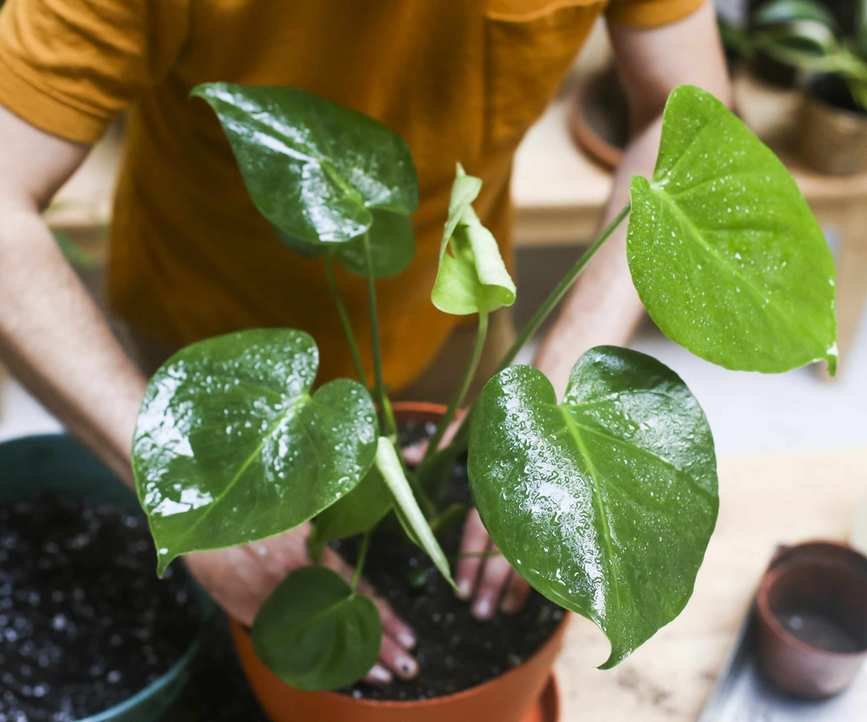
Repot using a soil mix that enhances drainage.
3. Relocate the pot
While it may be tempting to move the plant to a sunny location to expedite drying, this can actually harm the plant further. Instead, place it in a shaded area to facilitate drying.
An overwatered plant struggles to transport water to its leaves, risking upper foliage drying out from sun exposure. It's better to move the plant to a shady spot and remove any flowers or fruits from the top to help the plant focus on recovery.
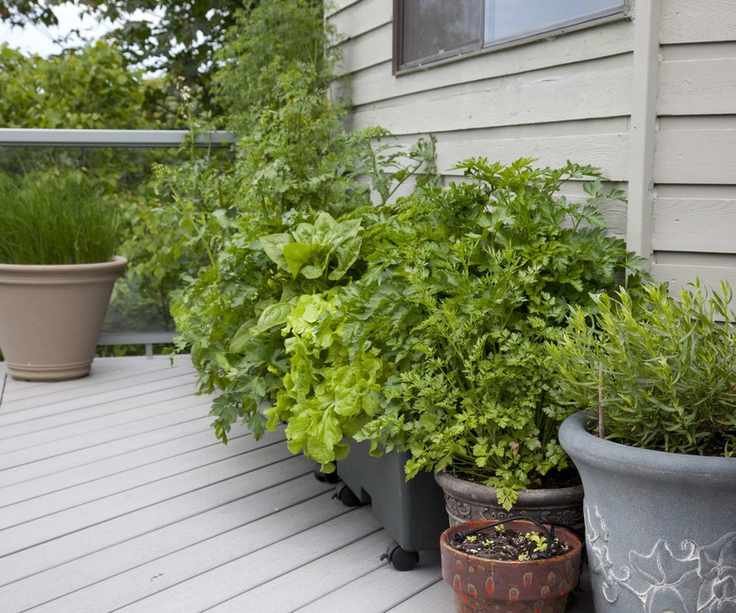
Shifting plants to a shaded area aids in recovery from overwatering.
4. Enhance airflow
Boosting airflow can assist in drying out an overwatered plant. If possible, lift the plant from its pot and air dry the soil around the root ball. Increased airflow helps remove excess moisture, especially in porous terracotta pots.
For effective drying, place a fan nearby. If you can lift the root ball, lay it on a rack to promote airflow around it before repotting.
FAQs
How long does recovery from overwatering take?
Recovery time varies based on factors like soil saturation, pot size, and temperature. It may take one to two weeks for a plant to dry out and begin healing.
What are root rot symptoms?
Root rot symptoms can be elusive. While some signs manifest above ground, true damage is often revealed only when the plant is lifted. Common signs include yellowing leaves, wilting, stunted growth, and a foul smell from the soil. Affected roots will appear brown or black, may be slimy, and emit a decaying odor. If caught early, trim the affected roots, hoping enough healthy roots remain.
Should I repot after overwatering?
Repotting is advisable when a plant is in a pot without drainage holes. Without drainage, moisture can accumulate and suffocate roots. If the soil remains overly wet or the pot lacks drainage, repotting is essential.
Should I water an overwatered plant?
No, you should refrain from watering an overwatered plant. Adding moisture increases the risk of root rot and could lead to your plant's demise. Monitor the plant until the soil dries out completely, then check moisture levels before resuming watering.
Overwatering is a common issue for container plants and houseplants, but it doesn't have to mean the end for affected plants. Familiarize yourself with your plants' needs and tailor your watering schedule accordingly. Avoid a one-size-fits-all approach to watering, as this can cause problems. Keep a close eye on your plants; early detection of issues means quicker action and a better chance for recovery.



