
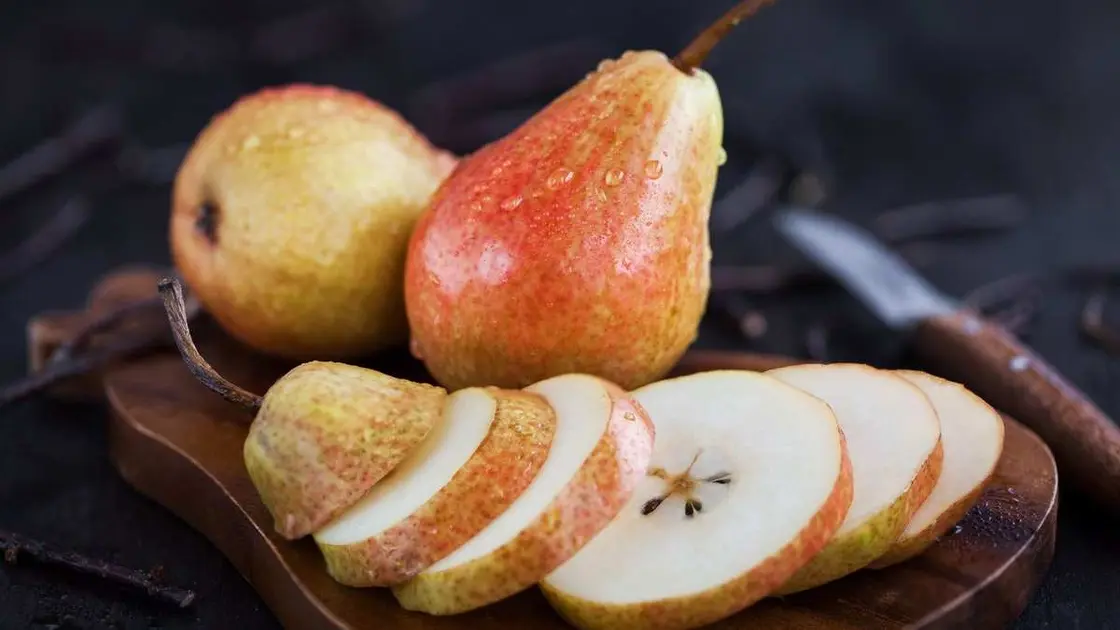
Pears are delightful fruits, and there's something special about enjoying one straight from your own tree. You can experience this joy by growing a pear tree from seed.
Seeds from either homegrown or store-bought pears can be planted to cultivate lovely pear trees. However, this process requires patience, and there's no guarantee that the seeds will produce trees yielding the same type of fruit.
Typically, pears are purchased as grafted trees, but trying to grow a pear tree from seed can be a fun experiment. To enhance your success, we present seven straightforward steps to transition from seed collection to planting your tree.
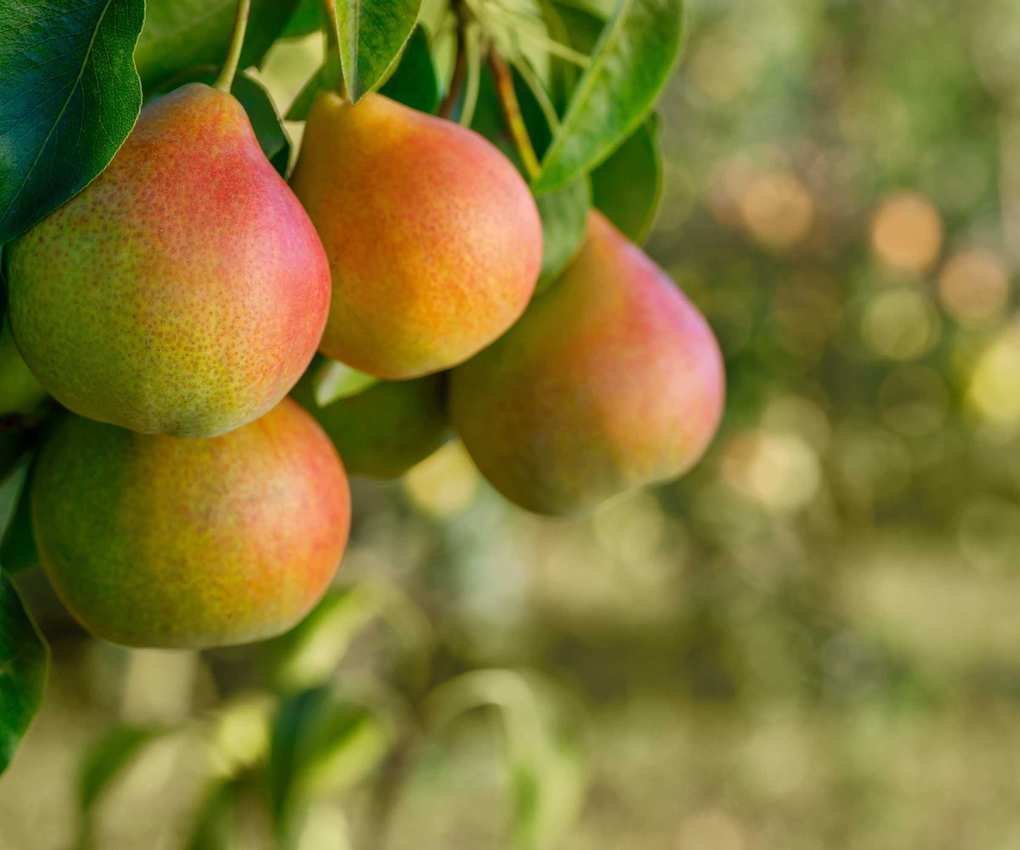
Is Growing a Pear Tree from Seed Feasible?
Yes, you can grow a pear tree from seed, but consider the challenges. The main drawbacks include the long wait of 5-10 years before flowering and the uncertainty of whether the fruit will resemble the original.
While it can be a rewarding experience, your patience may yield a stunning pear blossom, but the fruit will be a wild card. If you seek a specific pear variety, visiting a local nursery for a young fruit tree may be a better option.
7 Steps to Grow a Pear Tree from Seed
If you're ready to try growing a pear tree from seed, follow these seven steps, featuring expert advice from a horticulturist.
1. Collect and Clean Seeds
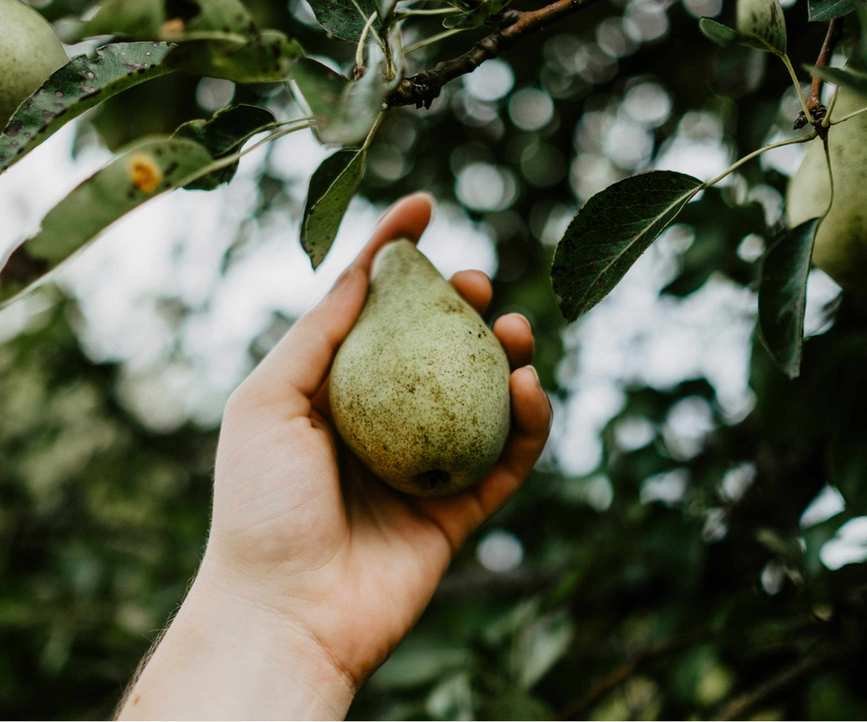
Your journey begins by gathering seeds from a pear. Whether from homegrown or store-bought fruit, cut the pear open to extract the seeds and soak them in water for several hours.
Remove any floating seeds as they're not viable, then clean off any pulp and let the seeds dry for a few days wrapped in a paper towel before proceeding.
2. Stratify the Seeds
Pear seeds require cold treatment to simulate winter, aiding in germination. This method, known as seed stratification, is essential.
Amy Enfield, a senior horticulturist, suggests using a resealable bag filled with moist potting mix for this process. Limit to 4-5 seeds per bag, ensuring they're buried under 2-3 inches of soil, then seal and refrigerate for three months at around 40°F.
You can also use moist peat moss instead of potting mix. Check every two weeks to ensure the material remains damp but not soggy.

Amy Enfield boasts over 25 years in the Lawn & Garden industry, holding degrees in Horticulture and Plant & Environmental Sciences.
3. Prepare the Seeds
After three months, take the seeds from the fridge and soak them in warm water for 24 hours. This softens their hard shells and boosts germination chances.
Amy also mentions that some opt to gently nick the seed's side with a knife to encourage faster germination, although it's not necessary.
4. Plant the Seeds
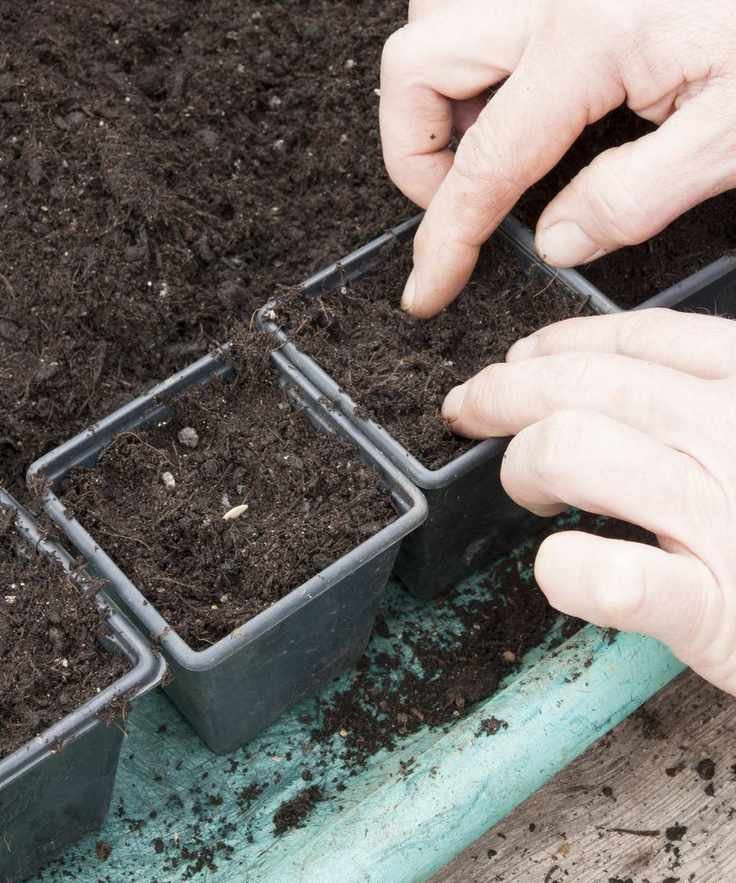
Fill small pots with a well-draining potting mix suitable for starting seeds. Avoid garden soil, which can retain too much moisture and rot the seeds.
Plant the seeds half an inch deep, spacing them out if using multiple seeds. Water the container, ensuring it drains well; the soil should be moist but not overly wet.
Organic Seed Starter
This mix contains organic materials like sphagnum peat moss and perlite, crafted specifically for seedlings and cuttings.
Jiffy 3" Peat Pots
A pack of 12 biodegradable pots perfect for seed sowing, which can be transplanted directly into the garden.
Indoor Grow Light
This 11-inch full-spectrum light supports healthy seedling growth by preventing leggy plants.
5. Provide Warmth and Light

Position your container in a greenhouse or on a sunny windowsill where temperatures range from 68-75°F. Maintain soil moisture, and you should see seedlings sprouting in 2-3 weeks.
Once germinated, seedlings thrive in bright, indirect light and steady warmth around 65-75°F. If natural light is insufficient, utilize grow lights for 12-16 hours daily.
6. Maintain Moisture
Regularly check the soil moisture to keep it consistently damp but not waterlogged. Use your finger or a soil moisture meter to check, watering thoroughly as needed.
Be cautious of overwatering, which can lead to damping off, killing seedlings, or creating mold on the soil surface.
7. Transplant Outdoors
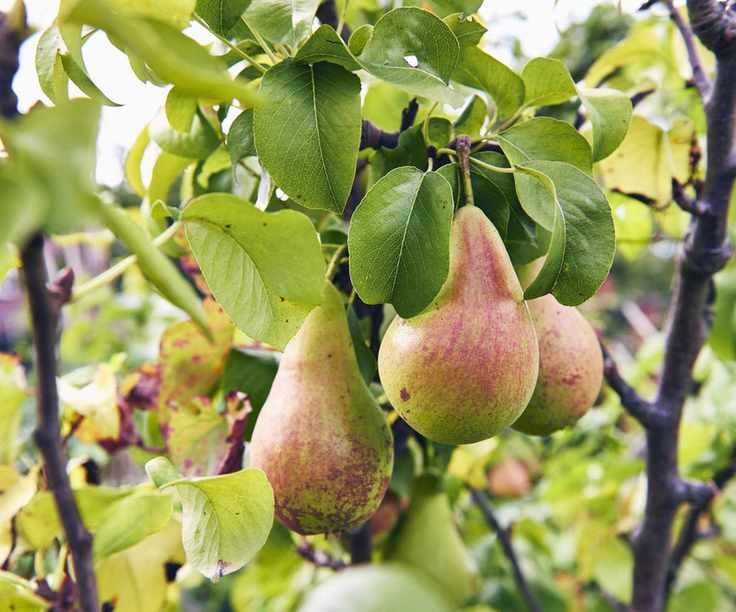
Once your young pear tree has 3-4 sets of leaves, it's time to transplant it into larger pots or plant it outside after hardening off. The best time for planting is in spring, after the last frost, allowing the seedlings to establish roots during the growing season.
Choose a sunny, sheltered spot with well-draining soil. Space individual trees 20-25 feet apart and stake them for wind protection. Regularly water the young trees to help them settle in and fertilize annually for optimal growth.
Common Questions
Can You Grow a Pear Tree from a Cutting?
You can propagate pear trees from cuttings, although grafting is the common method. For a clone of a specific tree, take several 6-8 inch cuttings and dip them in rooting hormone to boost your success rate.
Expect it to take at least five years for any pear tree to bear fruit, with no guarantees that the seeds will produce the same variety.
However, you can improve your chances of getting a fruitful tree by ensuring it receives at least 5-6 hours of direct sunlight and using a high-potassium fertilizer annually. Regular watering and proper pruning are also essential for growth.



