
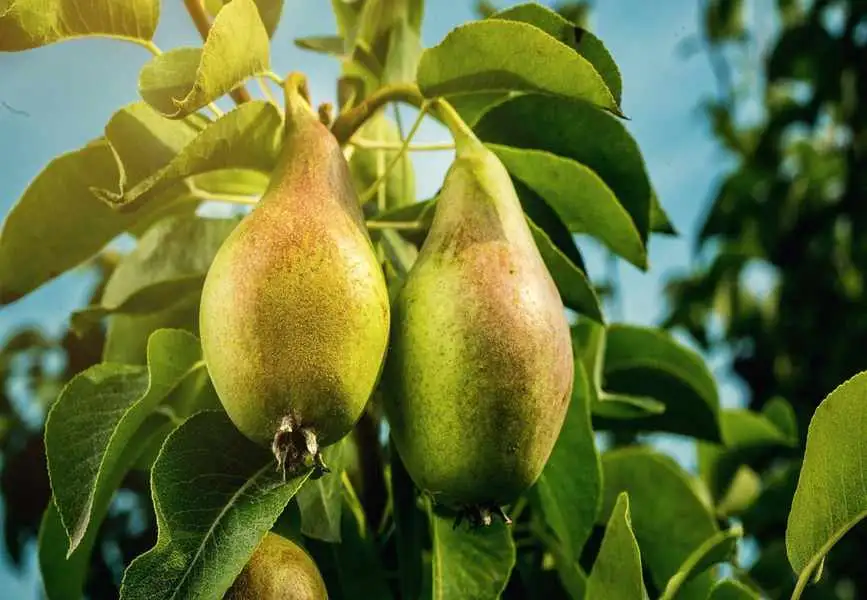
Pear trees rank among the most beloved fruit trees globally. Cultivating one in your garden means enjoying sweet, juicy pears that surpass store-bought varieties.
These trees are straightforward to grow and adaptable. With various types, you can opt for freestanding specimens, trained trees against walls, or even compact dwarf varieties in pots. A well-cared-for pear tree can yield bountiful harvests every late summer for many years.
For optimal growth, pear trees favor sunny, sheltered locations, particularly benefiting from the presence of another tree for pollination. This guide offers insights on planting, caring for, and harvesting pears with advice from experienced horticulturists.
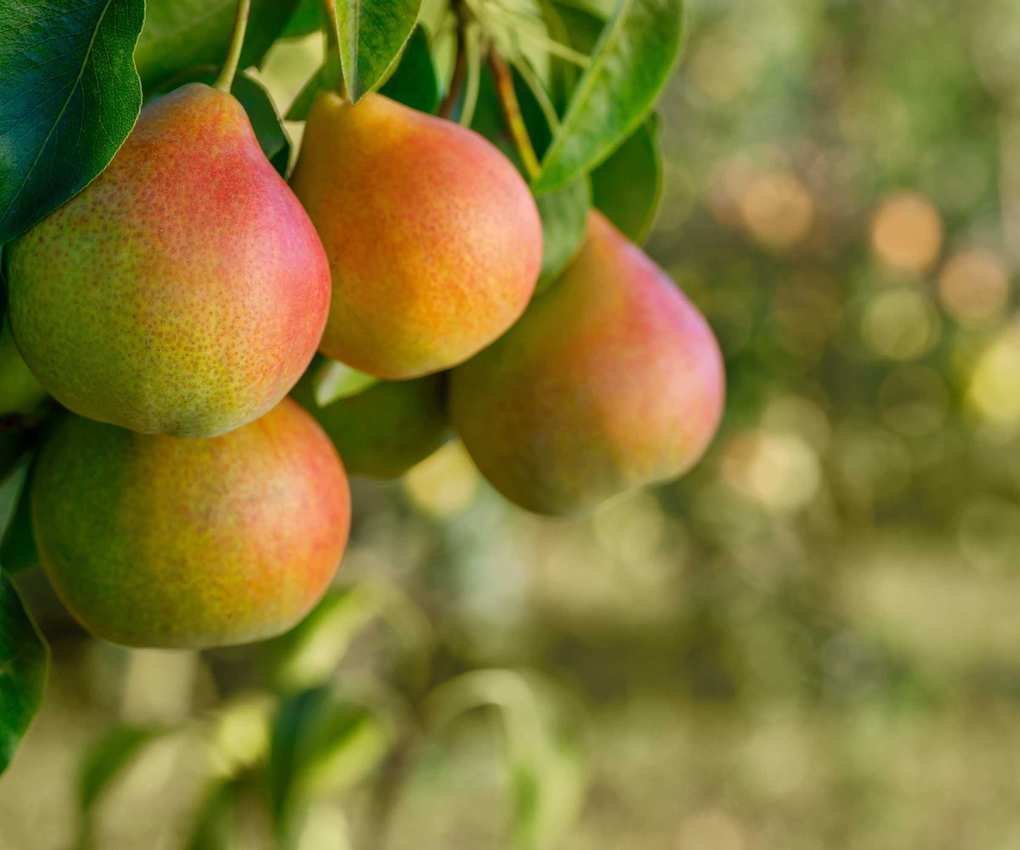
Expert Tips for Growing Pear Trees
Pear trees flourish in US hardiness zones 3 to 10. While thousands of varieties exist worldwide, a limited selection of European and Asian pears are suitable for home cultivation. Options include pears of different colors, sizes, and tastes.
Selecting the right variety for your hardiness zone is crucial. Pears are typically grafted onto specific rootstocks, influencing their growth patterns. Choosing the appropriate variety and rootstock ensures the tree adapts well to your garden. Standard pear trees can grow up to 30 feet tall, while dwarf rootstocks allow for container gardening or small spaces.
Most pear trees require a nearby companion for effective pollination and fruit production. Some self-fertile varieties exist, but they also perform better with another tree nearby. Although it may take several years before a pear tree starts bearing fruit, once it does, it can continue producing for decades.
Now, let's explore how to successfully cultivate a pear tree, starting with planting tips.
Planting Your Pear Tree
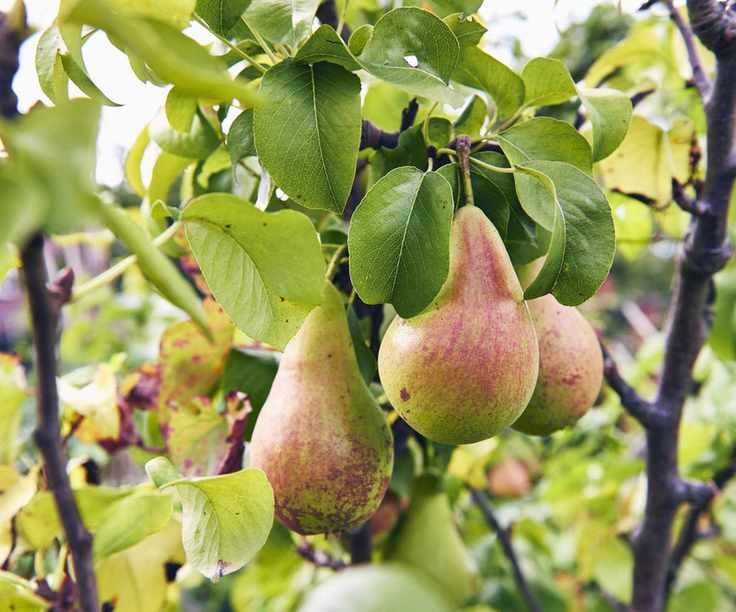
Pear trees can be found as bare-root or potted options. You can grow pears from seeds, but this method requires patience. Bare-root trees are only available during dormancy, from late fall through early spring, while potted trees are typically in garden centers year-round. However, the best times to plant remain fall and spring.
As long as the soil is workable, bare-root pear trees can be planted from fall through spring. Potted trees should be planted after the last frost in spring and before the heat of summer sets in.
Pear trees thrive in bright light and do best in sunny, sheltered areas. They can be grown as standalone trees or trained against walls or fences. Full sun is essential; they require 6–8 hours of direct sunlight each day for optimal growth and fruiting, as noted by an expert.
Good drainage is vital since pear trees are prone to rot in waterlogged soil. They're tolerant of varying soil types, as long as they don't remain overly wet. Experts recommend well-drained, loamy soil with a pH between 6.0 and 7.0 but note they can adapt to clay or sandy soils.
To enhance growth, consider top-dressing with compost or organic mulch. This practice helps retain moisture and enriches the soil over time, promoting robust roots and healthy growth.
When planting, dig a deep, wide hole to accommodate the roots. Spread the roots out and position the tree so the graft is slightly above the soil level. Firm the soil down to eliminate air pockets and water thoroughly before applying mulch with organic material.

Kieffer pear trees thrive in zones 4-9, reaching heights of 15-25 ft while producing large, crispy, juicy fruit.
Shinseiki Asian pears are medium-sized with yellow skin and soften while maintaining a firm texture.
Bartlett pears are cherished for their sweet, juicy flavor and delightful aroma.
Ongoing Care for Pear Trees
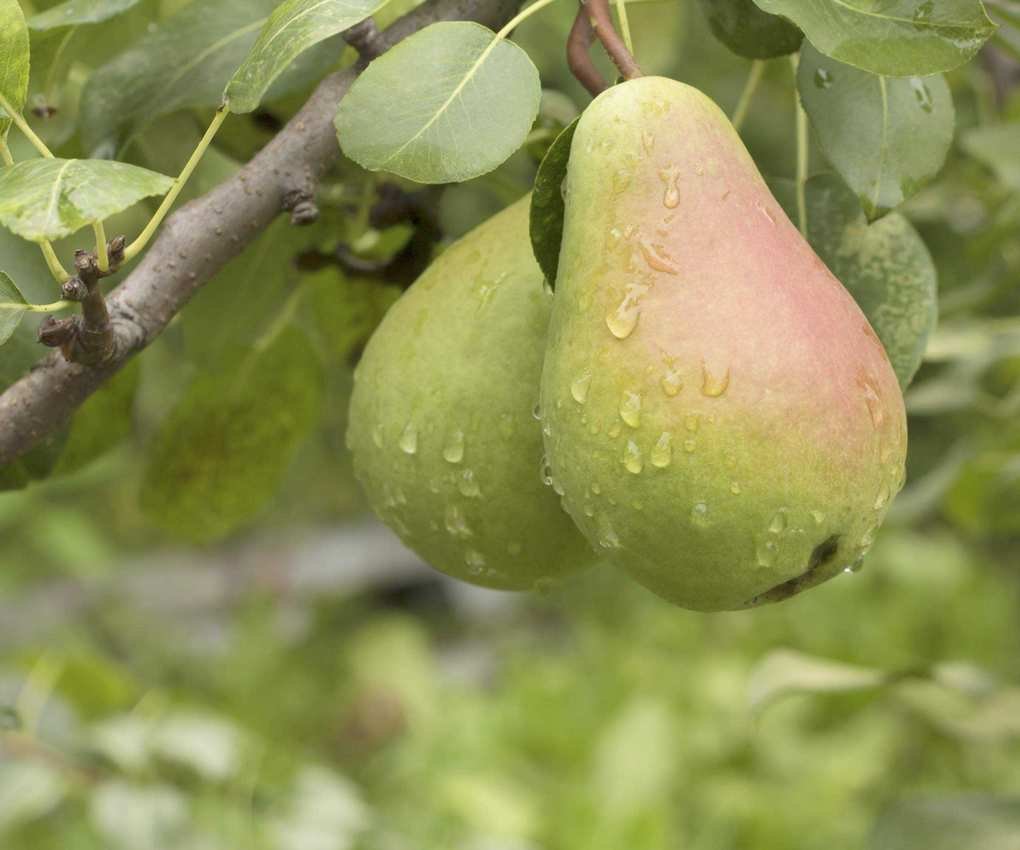
- Watering - Consistent watering is essential in the early years for establishing strong roots. A deep soak once or twice a week is usually sufficient, depending on weather conditions. While established trees are relatively drought-resistant, additional watering during dry spells supports fruit production.
- Fertilizing - Annual feeding and mulching can enhance the health and productivity of pear trees. Be cautious not to over-fertilize with nitrogen, as this can lead to excessive leafy growth rather than fruit and increase susceptibility to diseases. Fertilizing once or twice a year with a balanced or low-nitrogen feed, such as a 10-10-10 formula, promotes healthy growth and fruiting.
- Pruning - Proper pruning keeps pear trees healthy and productive. Prune in late winter or early spring while the tree is dormant. If trained, pear trees may require additional summer pruning. Remove dead, damaged, or diseased branches to encourage a well-structured center. Eliminate vigorous vertical shoots and suckers to direct energy towards fruit production.
- Harvesting - Proper light, watering, and feeding are vital for successful fruiting. Pears typically ripen from late August through September, depending on the variety. Harvest them early for indoor ripening. As they mature, pears lighten in color and should detach easily when twisted. If they resist, leave them on the tree for a few days before trying again. Store harvested pears in a cool place to ripen further, keeping them in the fridge for a week or in a cool, dark area for up to two months.

Common Questions
Can you grow pear trees in containers?
Pear trees can thrive in pots, making them suitable for small gardens or patios. Choose dwarf varieties that remain compact and select a large container, around 18-20 inches wide, for stability against wind. Ensure the pot has drainage holes and fill it with well-draining potting soil. Position the potted tree in a sunny area and monitor watering closely, as container soil can dry out quickly.
Do pear trees produce fruit in their first year?
Typically, pear trees may not bear fruit in their first year unless you purchase a larger, older potted variety. Bare-root trees are commonly one to two years old, while potted options are usually at least two years old. Patience is essential; it may take 3-7 years for your tree to produce fruit, depending on the cultivar and rootstock. Dwarf varieties often yield fruit sooner.
Pear trees are pruned in winter, similar to apple trees. However, not all fruit trees follow this rule. Pruning during winter allows the tree to recover quickly in spring.
Avoid pruning pear or apple trees in late summer or fall, as the tree needs to prepare for dormancy. Late pruning encourages new growth that may not harden before winter, leaving the tree vulnerable to pests and diseases.



