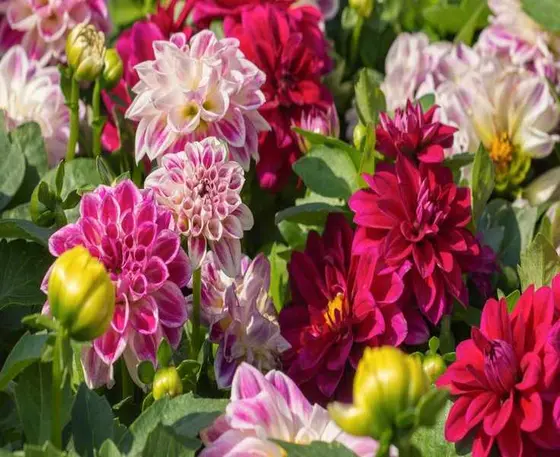
Frost-resistant perennials are resilient plants that endure winter's chill and bloom beautifully year after year. Even in frigid climates, these perennials will thrive and return robustly each spring.
Selecting the right perennial plants for your area is essential for their survival. For northern gardeners, this can limit your choices, but there's a wealth of frost-resistant perennials that can enhance flower beds and borders.
This article highlights some of the top perennials suitable for colder regions. These frost-resistant plants can survive in climates down to US hardiness zone 2 or 3.
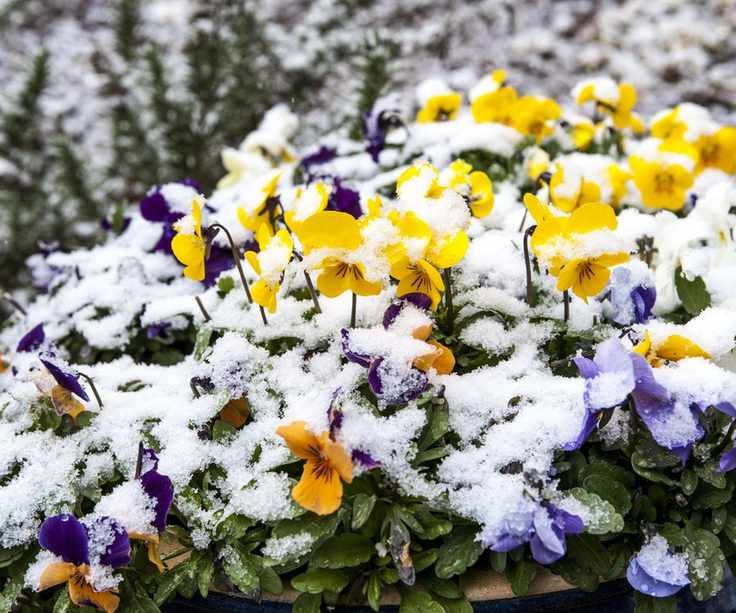
8 Frost-Resistant Perennials for Northern Gardens
The following eight frost-resistant perennials can bloom annually, even in colder northern climates. If you're seeking hardy perennials to enrich your flower beds, these options will thrive through harsh winters and burst into life come spring.
1. Goldenrod

- Hardiness: US hardiness zone 2-8
Goldenrod is a stunning fall-blooming native that serves as a tall perennial for back borders, attracting bees and butterflies with its vibrant yellow flowers.
Also known as solidago, this adaptable plant thrives in both cold winters and hot summers. Most goldenrod varieties are hardy to US hardiness zone 3, while some can survive in zone 2.
Goldenrod dies back each winter; it's best to deadhead after flowering and trim back the stems post-first frost. While the seed heads can feed birds, goldenrods are known for being self-seeding flowers that may spread throughout your garden.
2. Creeping Phlox

- Hardiness: US hardiness zone 2-9
Creeping phlox is an evergreen perennial that makes an excellent ground cover with its spreading growth. Commonly found in rock gardens or along borders, it boasts masses of small star-shaped flowers in white, pink, and purple.
Though it blooms for just a few weeks in late spring, the flowers are stunning and attract numerous pollinators. Be sure to trim creeping phlox after flowering to maintain its shape, keeping the plant bushy and preventing woody centers.
The Emerald Pink Creeping Phlox features a compact growth habit and showcases an abundance of tiny pink blooms, thriving in USDA growing zones 2 to 9.
3. Drumstick Primula
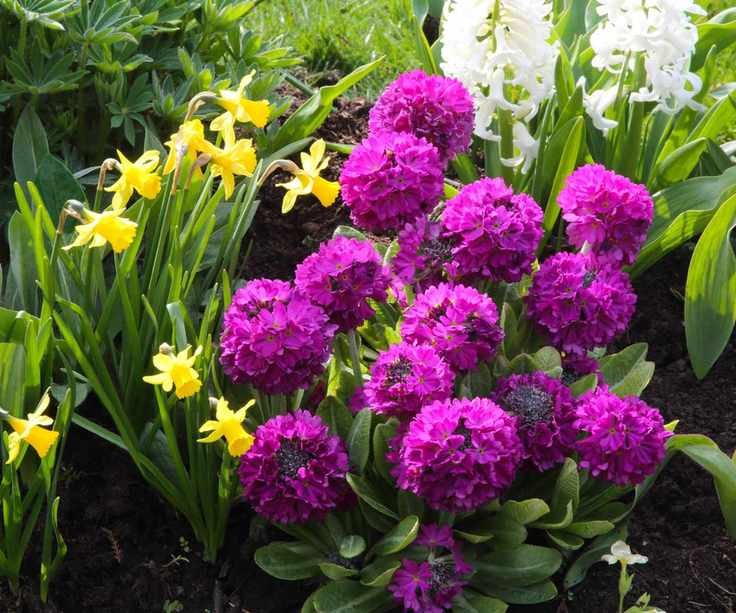
- Hardiness: US hardiness zone 2-8
Primula denticulata, often called drumstick primula, is a reliable perennial native to China and the Himalayas. These frost-hardy flowers bring bright colors to spring gardens, including white, pink, purple, and lilac.
Primulas, or primroses, pair well with many spring bulbs. Drumstick primulas prefer part shade and reliably return each year even in northern gardens.
4. Peonies
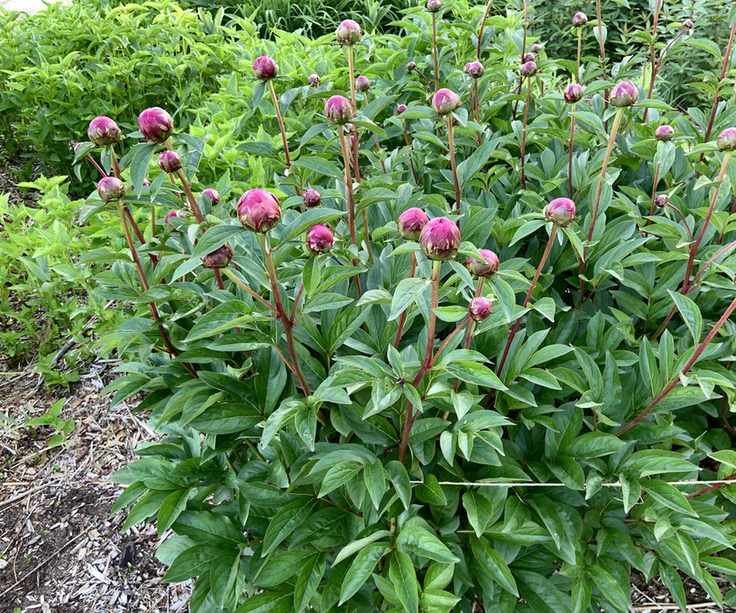
- Hardiness: US hardiness zones 2-8
Renowned for their large, eye-catching blooms available in various forms and colors, growing peonies is a favorite among gardeners. They provide a dramatic but brief spring display in flower beds.
Peonies go dormant in winter but are extremely frost-hardy, making them ideal for northern gardens. To care for them, it's recommended to winterize by cutting back foliage in late fall and applying mulch around the plants for root protection.
'Bowl of Beauty' is a single bloom peony featuring rose-colored petals with yellowish-white centers, suitable for growing zones 2-8.
5. Coneflower
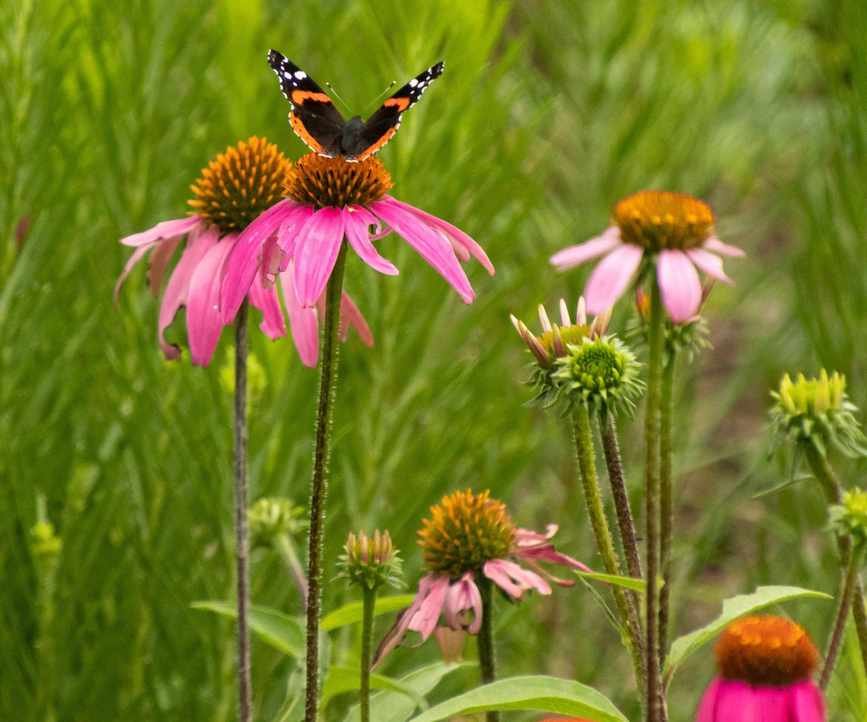
- Hardiness: US hardiness zone 3-9
Coneflowers, native to America, are now available in various forms and colors due to modern breeding. When selecting coneflowers for colder climates, choose frost-hardy varieties—most are suitable, but some hybrids may struggle. A great option for zones 3 and above is the 'Magnus' coneflower with its large pink blossoms.
Delaying the cutting back of coneflowers until spring offers benefits. The dried seed heads provide winter food for birds, and leaving the stems protects the crown from frigid temperatures. Additionally, mulching helps insulate the roots for successful wintering.
6. Hosta

- Hardiness: US hardiness zone 3-9
Hostas are popular shade plants, with many stunning varieties that withstand winters down to zone 3. They need good drainage, as cold, wet soil can harm them more than freezing temperatures.
While you don't need to trim hostas in the fall since foliage naturally decays, removing debris is crucial. This helps prevent slug and snail eggs from overwintering, an essential step in caring for hostas.
The Patriot Hosta features heart-shaped, glossy green leaves with white margins, thriving in hardiness zones 3 to 8.
7. Hellebores

- Hardiness: US hardiness zone 3-9
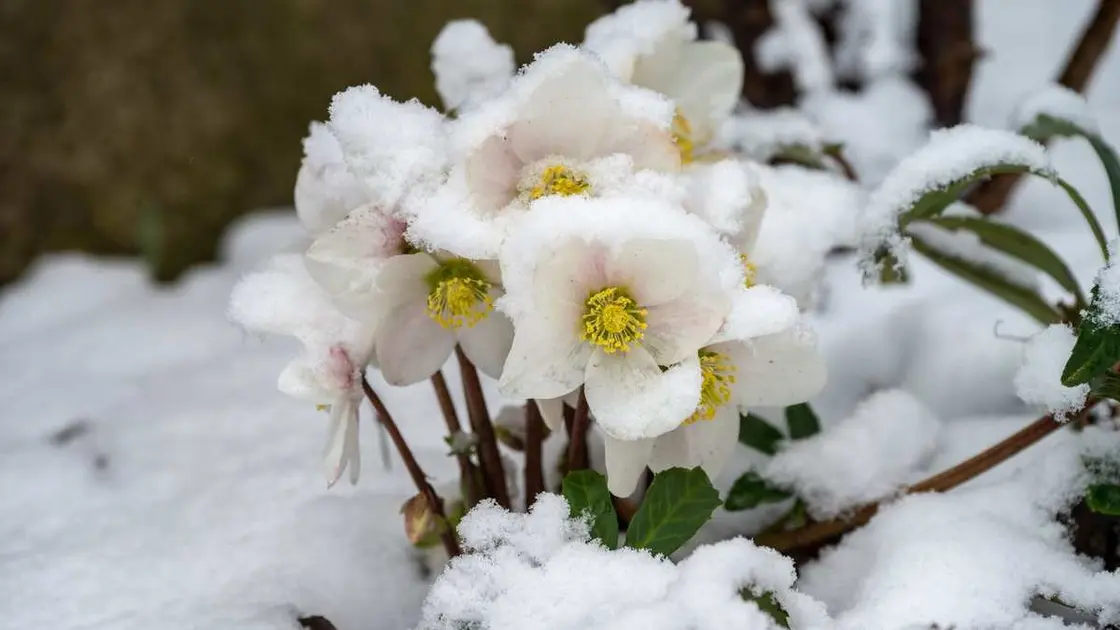
Hellebores bring vibrant colors to winter and spring gardens. With around 20 species, most hellebore varieties are frost-hardy, tolerating temperatures down to -20°F once established.
Plant hellebores in shaded areas and shield them from cold winds. These evergreen perennials require little winter care, aside from removing damaged foliage in late fall.
Applying mulch in winter can protect the roots and replicate the nutrient-rich conditions of these woodland plants.
8. Yarrow

- Hardiness: US hardiness zone 3-9
Yarrow, also called achillea, is a low-maintenance frost-hardy perennial that is fantastic for attracting pollinators. Ideal for a wildlife garden, yarrow features fern-like leaves and flat clusters of flowers in white, yellow, or pink atop tall stems.
This plant can survive winter outdoors without additional protection. You can leave the stems for bird food or cut them back to prevent damage from winter winds. If cutting, only trim to the basal leaves, which insulate the crown during colder months. Mulching around plants also helps safeguard the roots.
Yarrow in pots should be brought indoors during winter or have their pots protected with covers.
FAQs
Are salvias frost hardy?
Salvias are hardy in US hardiness zones 4-9. Frost-hardy varieties can endure temperatures down to 20°F.
Are dianthus frost hardy?
Dianthus are typically grown as annuals, but biennial and perennial varieties also exist. They are versatile plants for summer borders and can survive in US hardiness zone 5 and warmer.
Are delphiniums frost hardy?
Certain perennial delphiniums can withstand cold temperatures and are frost-hardy down to US hardiness zone 3.
Are geums frost hardy?
Geums thrive in US hardiness zones 5-9. While they can withstand frost, they may require protection in colder areas.
In addition to the frost-hardy perennials listed above, consider New England asters and daylilies, which can also endure winters down to US hardiness zone 3 and are excellent choices for northern gardens.