
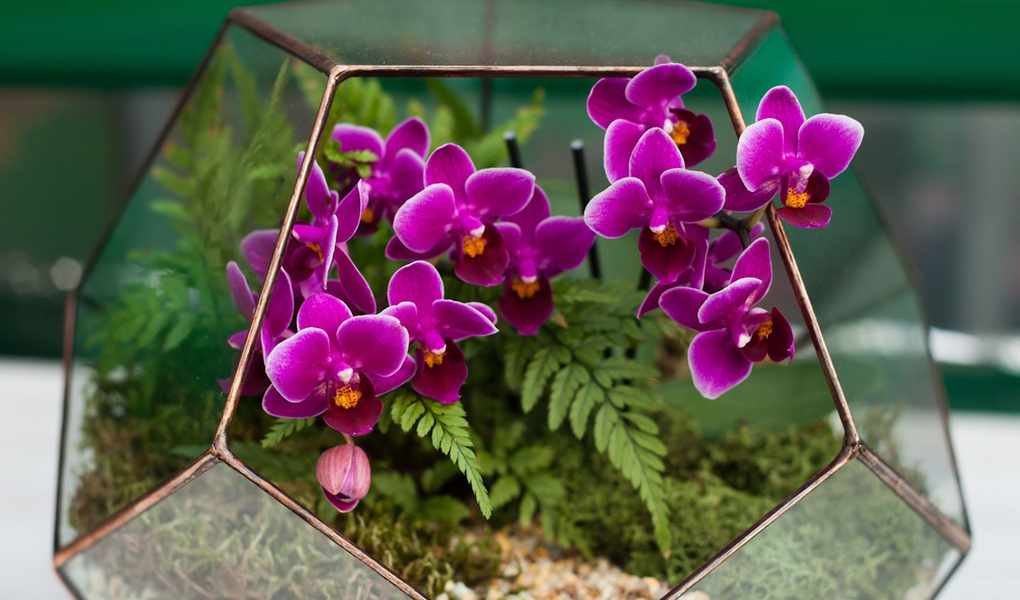
Orchid terrariums have gained popularity due to their ease of care, enabling urban dwellers to cultivate indoor gardens even in compact spaces. Incorporating orchids can elevate your terrarium, adding a touch of sophistication.
Orchids flourish in the confined conditions of a terrarium, which mimics a miniature greenhouse. If you've had difficulties with these beautiful plants before, a terrarium might be just what you need.
Although orchids are fantastic indoor flowering plants, my experience with them has been inconsistent. Growing them in a terrarium allows for better control over temperature, light, humidity, and airflow.
Self-sustaining, terrariums require minimal upkeep. Water condenses on the glass walls and trickles down to nourish the plants, creating a balanced ecosystem. This feature simplifies my orchid care routine.

Building an Orchid Terrarium in 6 Simple Steps
Before you start crafting your orchid terrarium, familiarize yourself with essential care elements like humidity and watering methods to optimize the health of your plants.
When selecting a terrarium, consider the growing conditions. 'Orchids have delighted plant enthusiasts for centuries, ranging from classic blooms to unique tropical varieties,' says Dan Jones. 'Every type has its own appeal and specific needs. Adjust your terrarium environment to suit your chosen orchids.'
Follow these straightforward steps to create a captivating display in your indoor garden.
1. Select Your Orchid Varieties Wisely
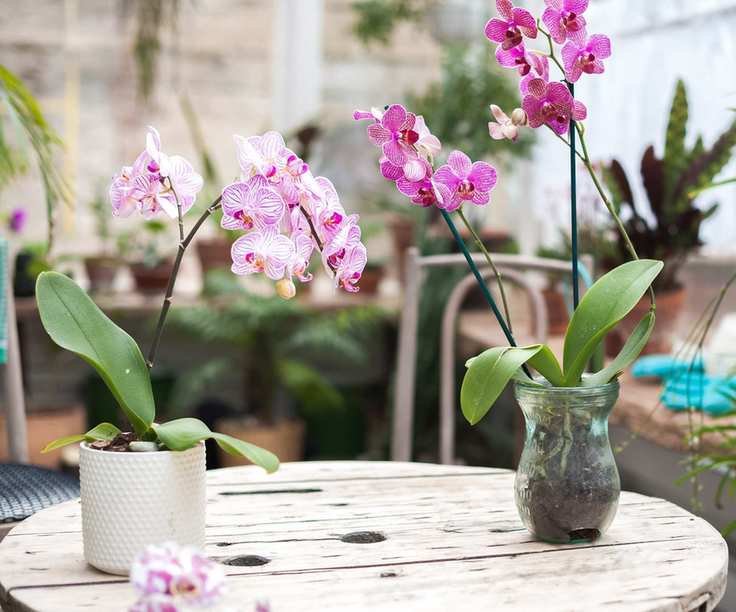
Numerous orchid types are available. Opt for varieties that thrive in high humidity, moderate temperatures, and low light. Consider whether you want to use a closed or open terrarium, like this trendy option from Walmart.
Choose miniature orchids to prevent overcrowding in your terrarium.
'Some excellent miniature orchids for terrariums include Masdevallia, Platystele, Tolumnia, Dracula, Aerangis, Phalaenopsis, Angraecum, and Lepanthes,' says Anna Weston. 'These varieties remain small and enjoy high humidity, making them ideal for closed terrariums.'
Regardless of your choice, Anna recommends researching to ensure the plants share similar climatic preferences, boosting your success rate.
2. Consider Adding Filler Plants
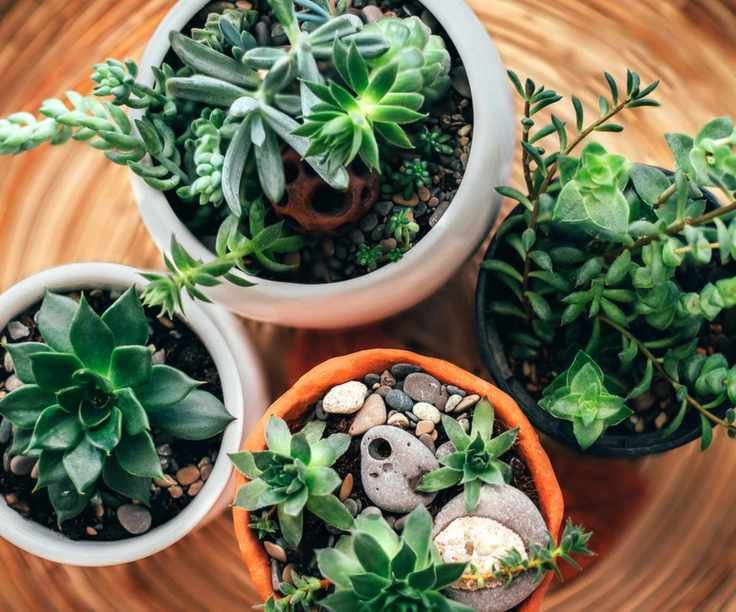
A lone orchid or a cluster of smaller ones can shine in a terrarium. Alternatively, you may include small humidity-loving filler plants to enhance the aesthetic and create a mini-landscape. This also adds visual appeal when orchids are not in bloom.
Low-maintenance indoor plants, such as succulents, pair well with orchids. Choose slow-growing options like small ferns, peperomia, or air plants to avoid overcrowding.
3. Prepare Your Terrarium Container
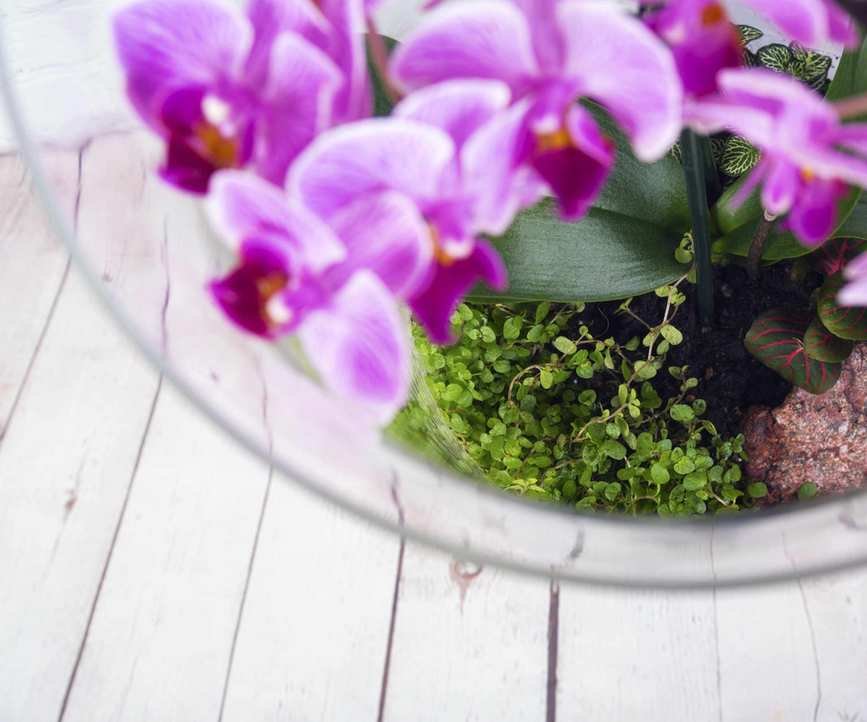
Ensure your terrarium is thoroughly cleaned, especially if it was previously used. Failing to do so can lead to pest and disease issues, which spread quickly in a humid environment.
Wash with mild dish soap and rinse repeatedly until the container is spotless. For extra precaution, use one tablespoon (15ml) of bleach per gallon (3.79 liters) of water to eliminate mold or fungus. Rinse well and let it dry completely before planting.
4. Establish a Base Layer
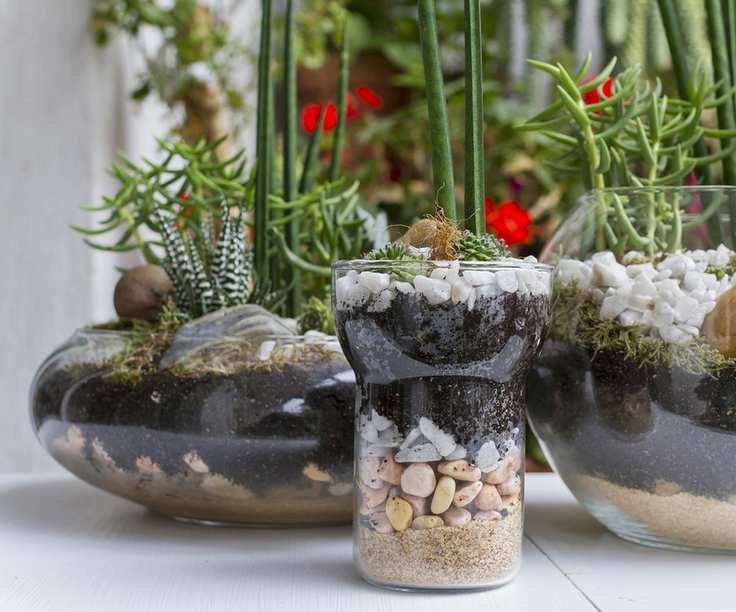
Next, decide on the substrate for the base layer. This bottom layer is crucial.
Small terrarium stones, approximately 2 inches deep, are a popular choice. Rinse them thoroughly before use. If using stones, add an inch of water to maintain humidity.
Potting soil is another option, but it can be messier and may introduce diseases. If you select soil, mist the terrarium regularly to sustain humidity.
5. Arrange Your Plants
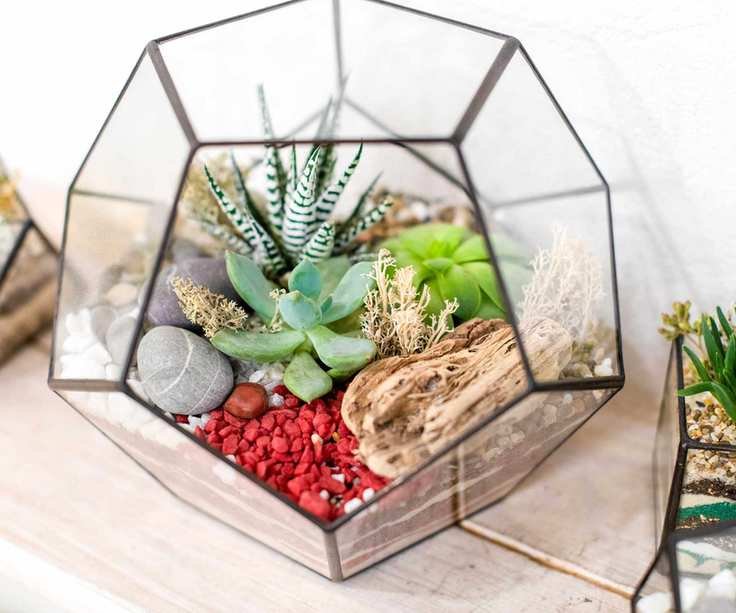
Your orchid should be the centerpiece of your design. Anna Weston suggests keeping orchids in their original pots.
'Though you might think planting orchids directly in the terrarium is best, it can lead to their demise. Orchids require air exposure for their roots, and planting them this way limits airflow. Initial placements may seem awkward, but as the plants grow, everything will fall into place.'
Use moss to conceal the orchid pots for a natural touch, or incorporate decorative elements like bark or driftwood to hide the pots.
If using soil, bury the orchid pot and plant companion plants directly in the soil, positioning larger plants behind the orchid for balance.
6. Position Your Terrarium Appropriately
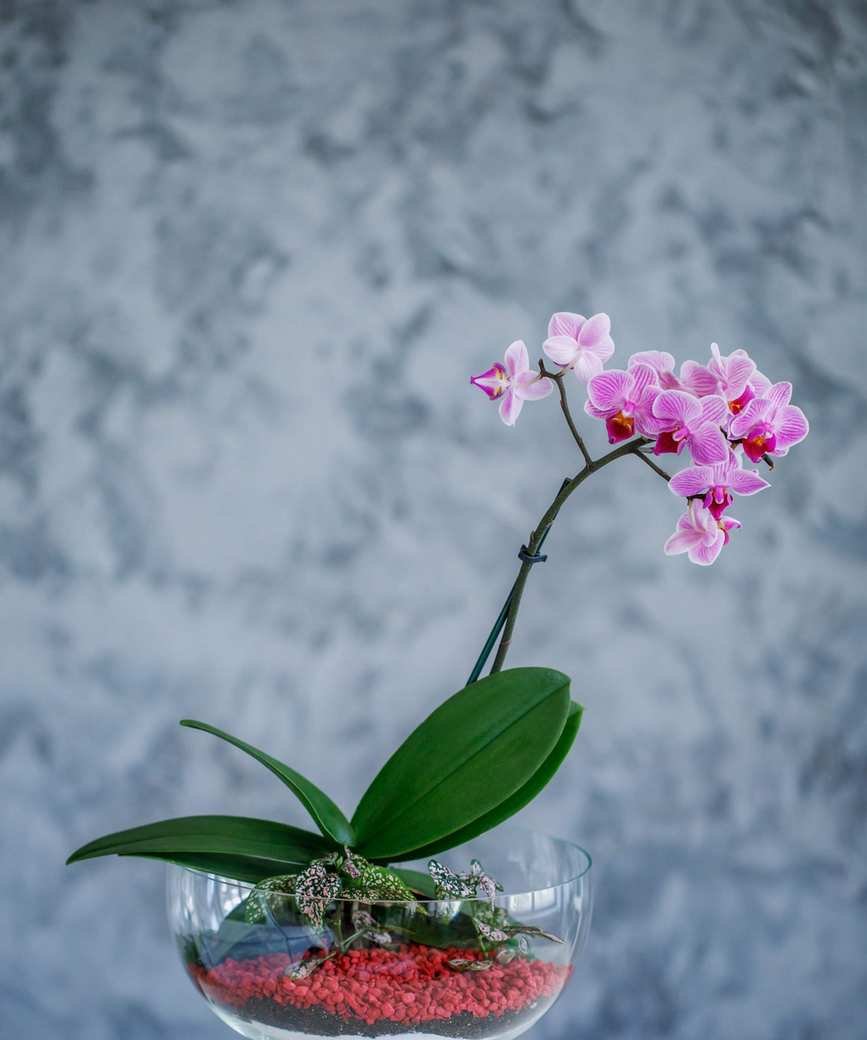
Proper placement is vital for your terrarium's health. Avoid direct sunlight, as it can heat the glass and harm your orchids. You may need to adjust its location with the changing seasons.
If placing near a window, maintain space between the window and terrarium to shield against outdoor temperature fluctuations that could be harmful. The right temperature is key for blooms. If the window is chilly, the glass may become too cold.
'Without nighttime temperature fluctuations, your orchids may not bloom,' says Anna. 'Orchids need at least a 10 to 15°F drop at night to dispel heat from their leaves. If kept in a constant environment, they may exhibit signs of heat stress.'
FAQs
What container suits orchid terrariums best?
The terrarium should be spacious enough for your orchid's root system, allowing for air circulation and preventing crowding.
Choose clear glass or plastic to ensure ample light reaches your orchid while keeping pests at bay.
Can Phalaenopsis orchids thrive in a terrarium?
Yes, Phalaenopsis orchids can be successfully grown in a terrarium. The enclosed environment helps maintain the humidity and temperature these tropical plants need.
Known as moth orchids, Phalaenopsis can bloom year-round and are easy to maintain, making them a great choice for your orchid terrarium.
Orchid care can be challenging, even in a terrarium. Knowing how to fertilize and when to repot can help keep your orchids healthy and thriving.


