
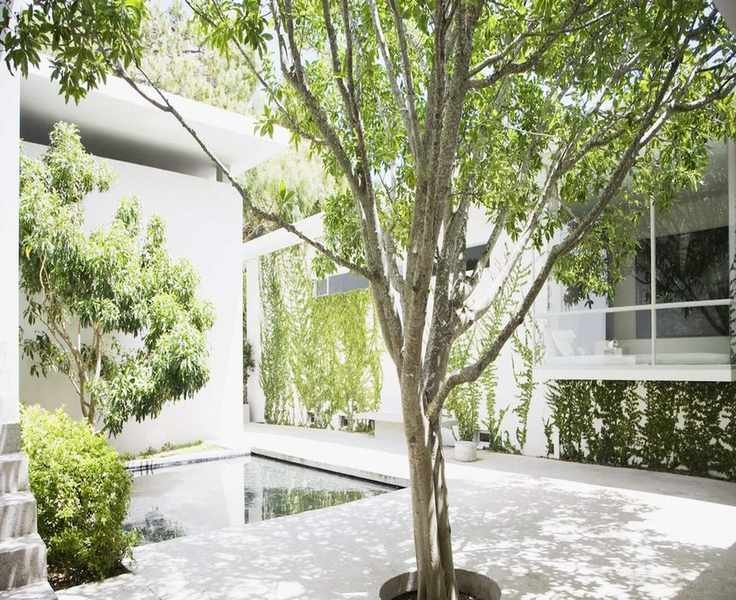
Trees can enhance any backyard, serving as beautiful ornaments, providing shade, or creating privacy. No matter your preference, there's a perfect tree waiting for you.
When adding trees to your backyard, timing is crucial. Planting at the right moment helps your tree thrive, establishing itself quickly in its new environment.
Understanding the right planting times can save you from the hassle of hauling heavy watering cans or struggling with hoses during hot spells to keep your tree alive.
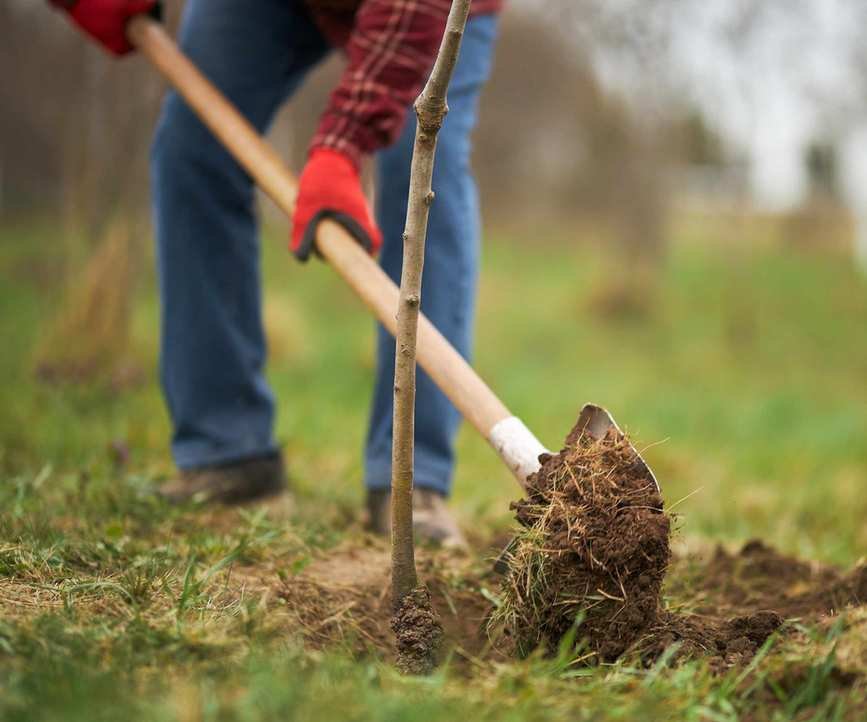
Choosing the right planting time fosters a robust root system
Timing Matters: Tree Type Influences Planting Schedule
Trees from nurseries can come bare-root, root-balled, or in containers, affecting when you should plant them.
Container-grown trees tend to be larger and pricier, available all year. Bare-root varieties are usually the most affordable, found in fall and winter. Root-balled trees, grown in the ground and then lifted, are typically available from fall through spring.
Optimal Times for Planting Trees in the Ground
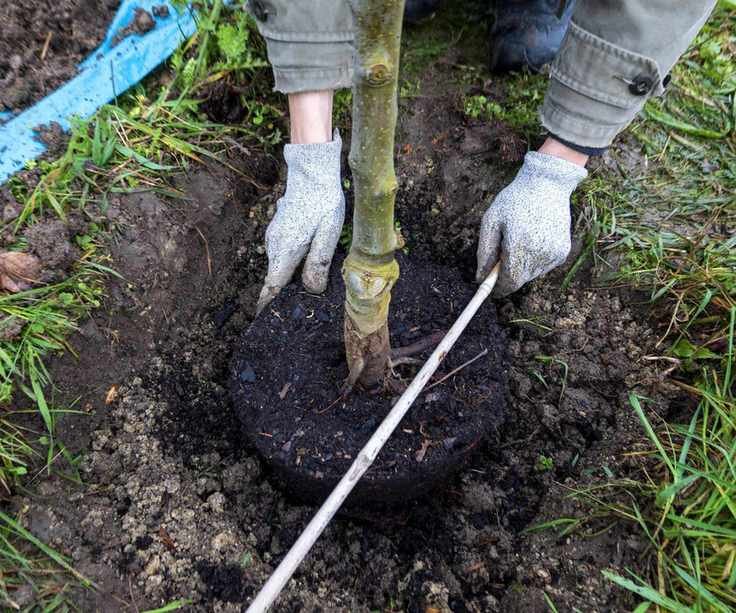
Container-grown trees can be planted directly into the ground
The best times to plant fruit and ornamental trees depend on your local hardiness zone. These factors determine frost severity and when the ground is workable. Attempting to plant when the ground is frozen can be a major mistake.
Your soil type and weather conditions also play a role in determining the ideal planting window. If you have heavy soil prone to water retention, avoid planting after heavy rainfall, as waterlogged soil is detrimental to your tree. A quick test hole can reveal if there's pooling water, indicating it's not the right time to plant.
Both deciduous and evergreen trees should ideally be planted in fall or spring. During these seasons, the soil is more favorable for establishing roots, and watering needs are lower.
“Spring is a fantastic time to plant, giving trees a full year to settle before winter,” shares Tamara Hogan, a plant expert. “Fall is also great, with cooler nights and warm soil helping new plants develop roots efficiently.”
In warmer regions, the fall planting window can extend into winter. Lisa Tadewaldt advises that in areas with mild winters, November or December is ideal, while colder climates should wait until after the last frost when the ground is workable.
Best Times for Planting Container Trees
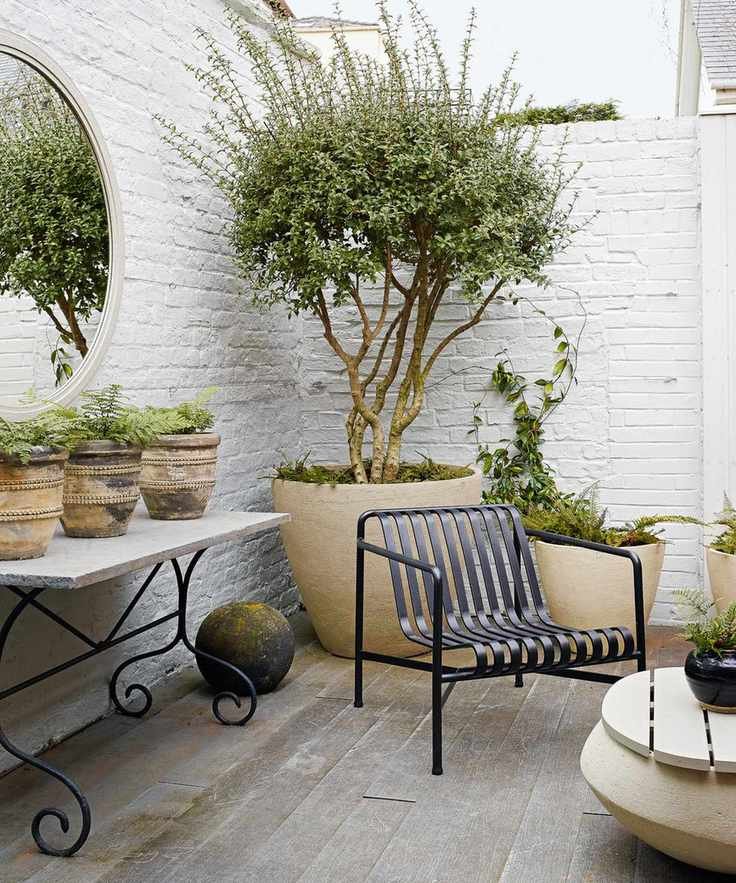
While you can find container-grown trees year-round, spring or fall is still preferable for planting. Summer plantings require diligent watering to ensure roots remain hydrated.
In hot weather, newly-planted trees demand more water to thrive. It's essential to know when to water effectively.
According to Tamara, even spring-planted trees need careful watering management. “If summer heats up quickly, make sure to provide ample water, as new plants need extra support in warmer months,” she advises.
For potted trees, spring and fall are the best choices for planting. They are more susceptible to drying out during summer, so keeping their soil moist is crucial. Planting in these seasons helps shield trees from temperature extremes and makes watering less burdensome.

Tamara Hogan holds a degree in Ornamental Horticulture from Utah State University and has experience across various horticulture sectors.

Lisa Tadewaldt is the founder of an arborist company in Portland, OR, serving the community for over 15 years.
FAQs
What month is ideal for planting a new tree?
Generally, September or October, or February to March, are the best months for planting trees, although local climate conditions can influence this.
Is fall suitable for tree planting?
Yes, fall is excellent for planting trees since the soil remains warm and temperatures drop. Regular rainfall during this period helps trees retain moisture, allowing for strong root establishment before winter's frost.
When planting trees, mulching provides numerous benefits. Applying a generous layer of compost, well-rotted manure, woodchip, leaf mold, or bark retains soil moisture for roots and suppresses weed competition, while supplying nutrients as it decomposes.



