
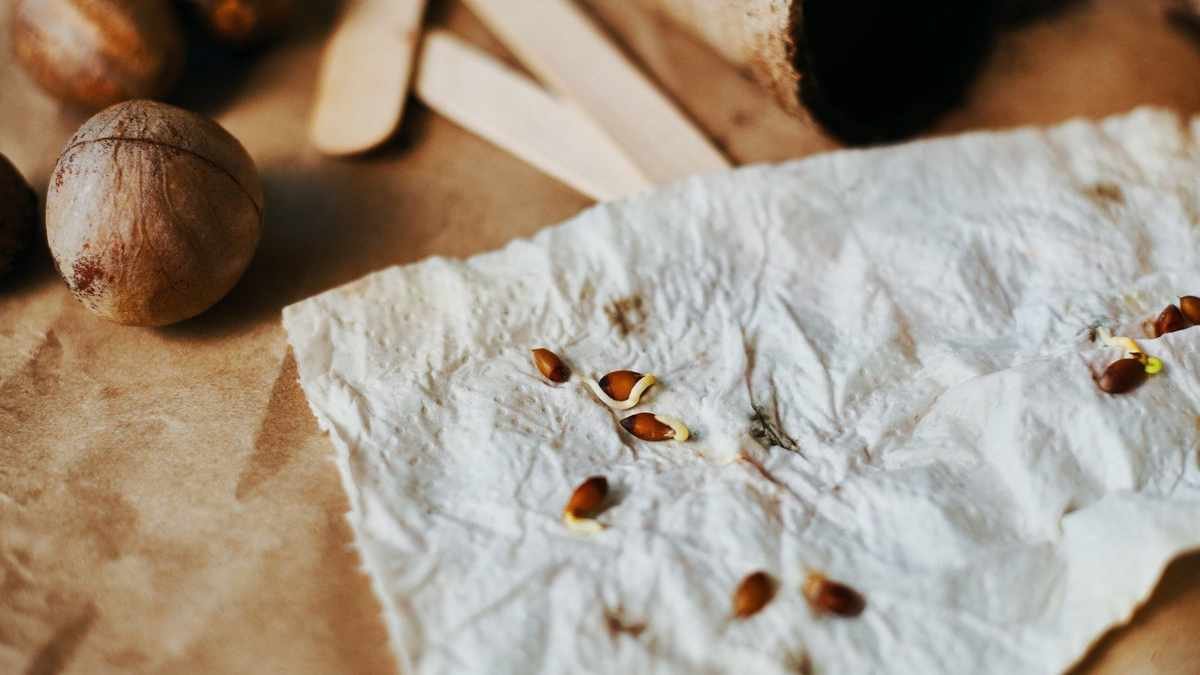
Gardeners often find themselves with leftover seeds and old packets from previous seasons. While many seeds can still be planted without issue, they don't last indefinitely. A quick test for seed viability using a damp paper towel can save you significant effort.
Seed longevity varies based on type and storage conditions. Some seeds should be used within a year, while others may last two or three years before their germination rates decline. There are even stories of gardeners successfully sowing seeds decades later.
Seeds won't expire completely, but their germination potential decreases over time. Instead of risking a poor harvest with older seeds, use this simple method to test their viability.
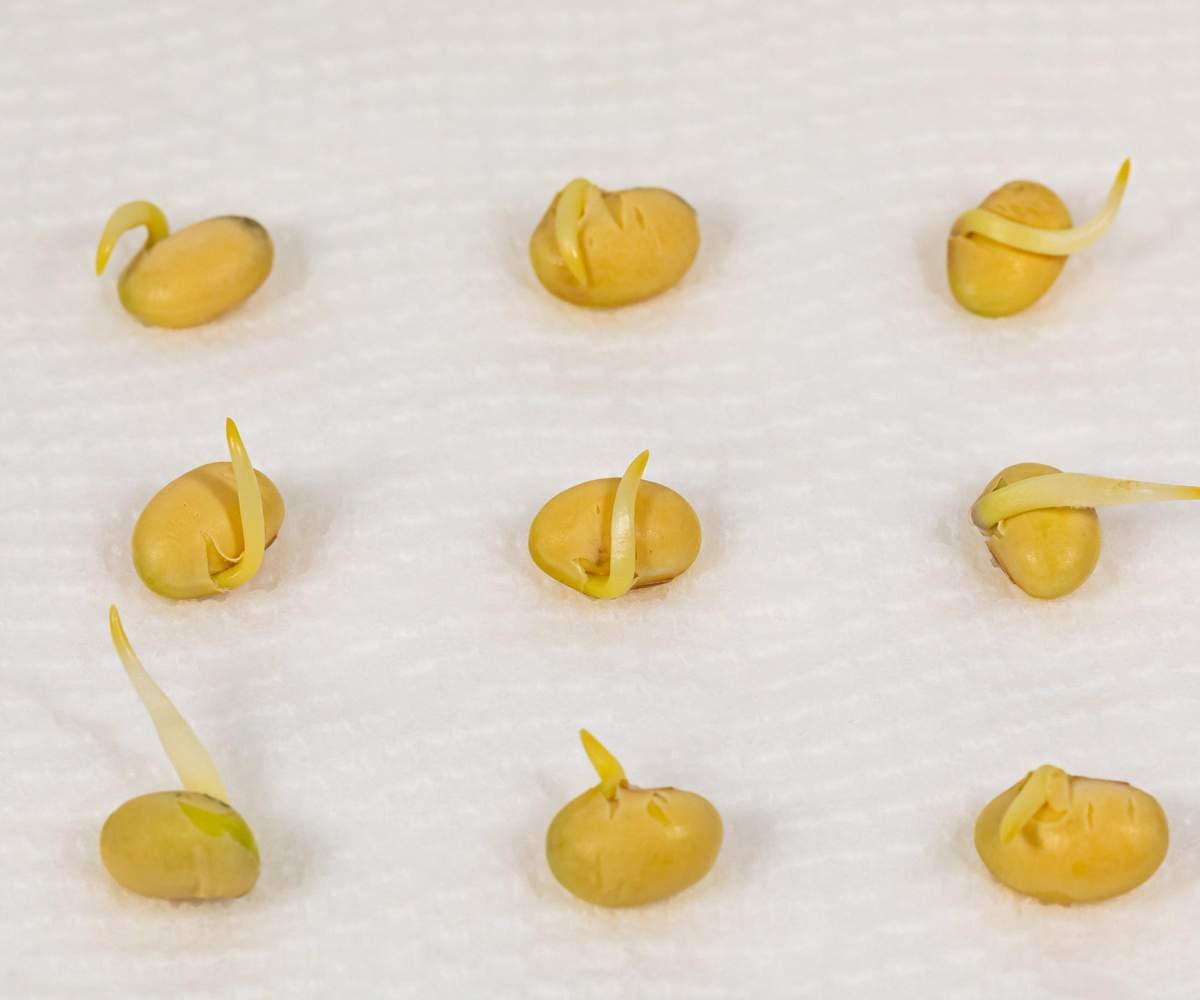
Easy Home Seed Viability Test
This method has worked wonders for me in determining whether I should replace partially used seed packets. It's simple and effective for any type of seeds, including flowers, vegetables, and herbs.
When Should You Test Seed Viability?

This straightforward germination test removes uncertainty when sowing seeds indoors or outdoors. You can avoid wasting time on seeds that won't germinate well. There's no need to test every packet—focus on older seeds that have been around for a while.
Seed viability depends on their age and storage methods. Common mistakes include keeping seeds in overly warm conditions or using plastic packets, which can negatively impact germination or lead to mold.
Testing seed viability during winter is beneficial for deciding whether to use existing packets or order new ones for the upcoming season. You can test seeds at home using these common household items:
- Seeds
- Paper towel
- Plastic container or bag
- Plate or tray
Steps to Test Seed Viability
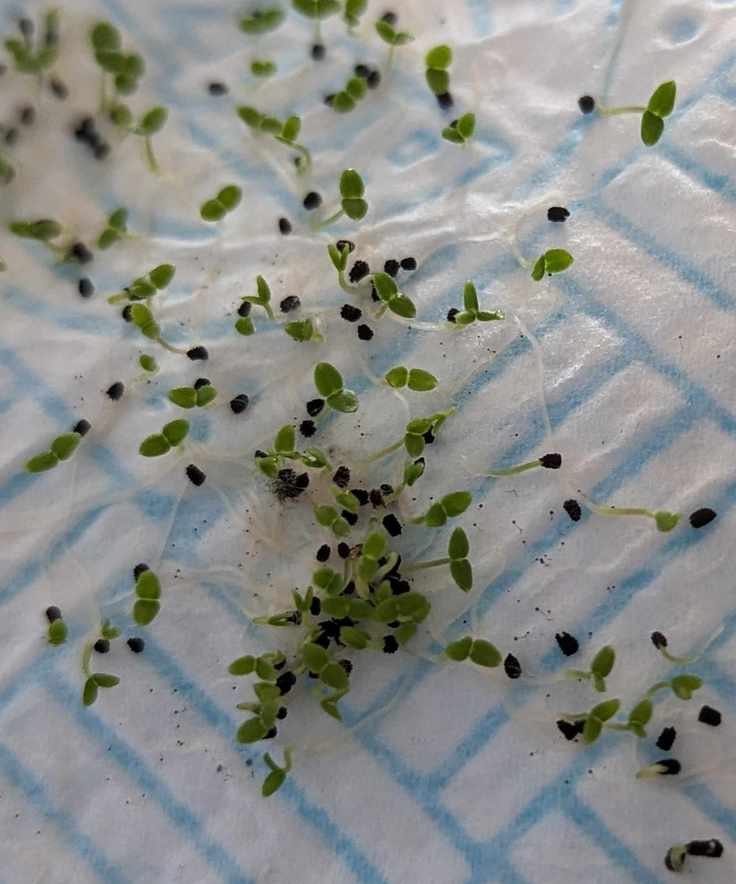
- Moisten a piece of paper towel with water.
- Scatter a pinch of seeds over the damp towel. You can arrange different seeds in rows or use separate towels—label them to avoid confusion.
- Place the towel on a plate and cover it with a plastic bag or wrap. Alternatively, seal it in a plastic container.
- Set the plate or container in a warm indoor spot.
- Monitor the towel, ensuring it stays moist. Mist it as needed.
- Watch the seeds for signs of germination; most should sprout within 10-14 days.
Ideally, you'll see most seeds germinate, indicating viability. The germination rate helps you gauge how many seeds to plant for your desired yield. If fewer than 50% sprout, you might choose to plant more or consider buying fresh seeds.
Don't waste the seeds that do germinate; plant them in pots filled with compost or directly in the garden.
Quick Seed Viability Tips
Do Good Seeds Float or Sink?
A quicker method to gauge seed viability is by placing them in a container of water. Healthy seeds typically sink, while poor quality ones float, indicating they're unlikely to germinate. However, this method is less reliable than the damp paper towel approach.
Testing the viability of older seeds is a smart step to prepare for spring sowing. Additionally, clean your seed trays and pots before planting and ensure you have fresh compost ready. Older open bags of seed compost may harbor bacteria or spores that can hinder germination or cause damping off and mold problems with seedlings.


