
Heavy rains can lead to waterlogged yards, causing potential property damage. Thankfully, certain trees are excellent at absorbing excess moisture, helping to improve drainage in affected areas.
Some tree species, both local and exotic, have developed extensive root systems that thrive in wet conditions. Planting these trees can ease the burden on drainage systems during the wetter months.
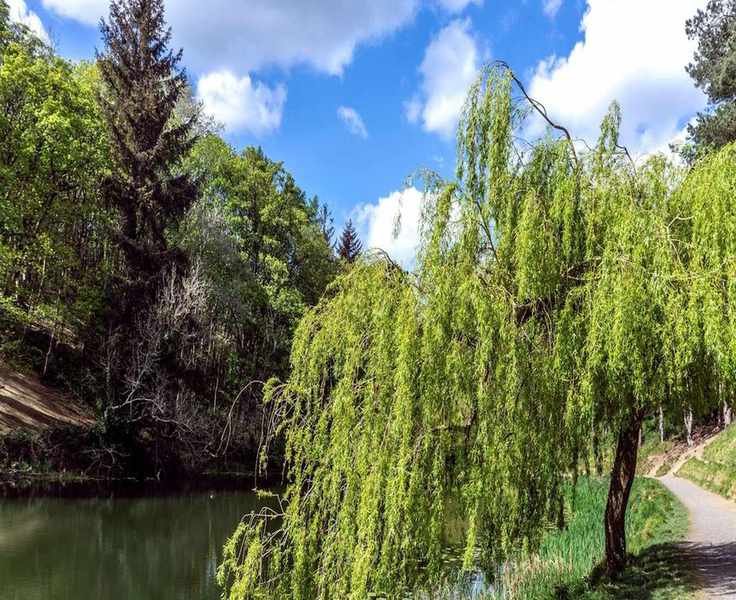
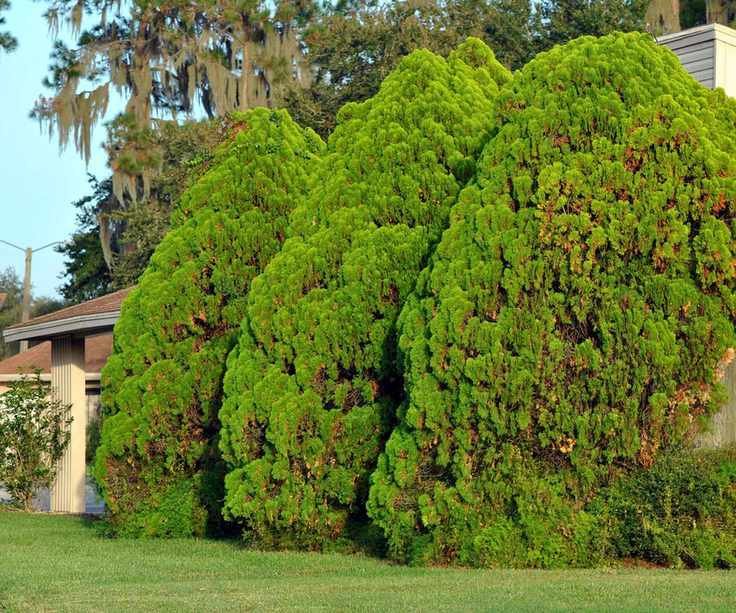
If you're in search of plants for wet environments that can naturally address drainage issues, consider these five trees known for their moisture-absorbing abilities, including graceful weeping willows and sturdy arborvitae, perfect for creating attractive borders.
Top Trees for Moisture Absorption
Soil moisture levels depend on various factors, such as geology and US hardiness zones. In northern areas with heavy snowfall and rainfall, waterlogging can occur from January through March. Utilizing trees for moisture absorption is an effective landscaping strategy for enhancing drainage.
Even one mature tree can have a significant impact, with estimates indicating that a single 100-foot tree can absorb over 11,000 gallons of water in just one growing season.
1. Willow

Willows, or Salix, include around 350 species native to temperate regions of the Northern Hemisphere. Many of these species excel at moisture absorption, especially the weeping willow, Salix babylonica, and white willow, Salix alba.
Willows thrive in US hardiness zones 3 to zone 9, preferring sunny, moist conditions. However, these fast-growing trees require ample space. 'Their rapid growth and extensive roots can disrupt small yards, affecting pipes and competing with other plants,' notes tree expert Alex Kantor.
While the standard weeping willow may be too large for compact spaces, dwarf varieties like Salix integra 'Pendula' are ideal for smaller gardens, reaching only three to four feet tall.
Find weeping willow live plants at Walmart.
2. Red Maple
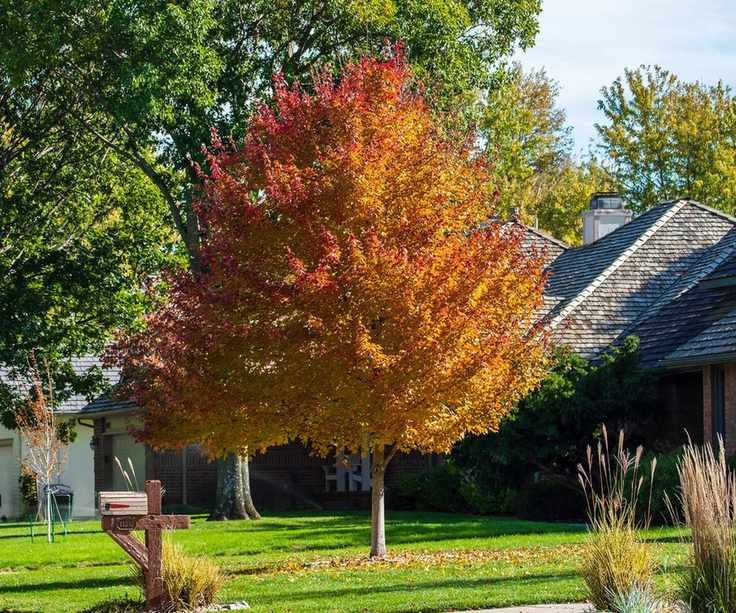
The red maple, or Acer rubrum, serves as a native alternative to Japanese maples. This tree grows in wet areas throughout North America and effectively manages soil moisture, making it a suitable option for flood-prone locations.
Red maples thrive in US hardiness zones 3 and above and can grow as tall as 60 feet. For optimal growth, plant them at the back of your yard.
In addition to their practical benefits, red maples are renowned for their stunning fall foliage, showcasing vibrant red leaves during autumn.
Discover red maple live plants at Walmart.
3. River Birch
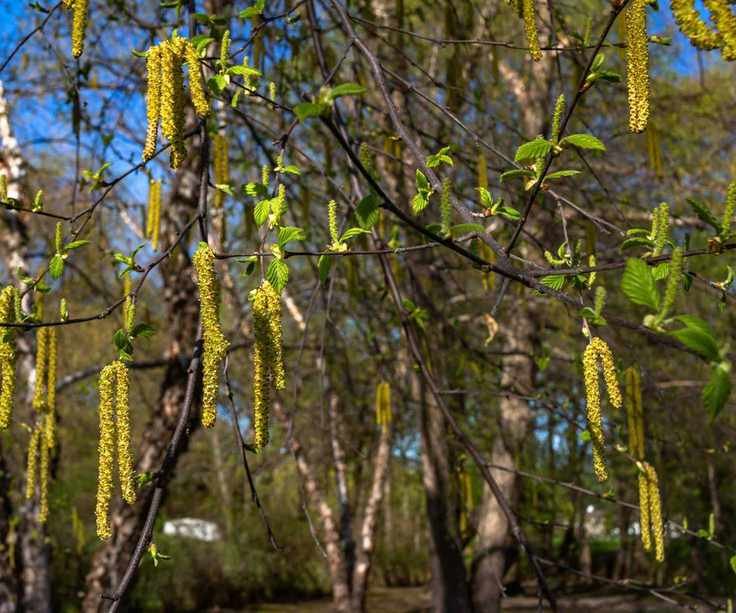
Looking for a native tree that thrives in wet, poorly drained soils? The river birch, or Betula nigra, is a great choice. Naturally found along riverbanks, this tree is well-suited for areas that experience flooding.
River birches can grow in US hardiness zones 4 to 9 and prefer full sun. Their shallow, widespread roots not only absorb moisture but also help stabilize soil.
These trees can grow over 60 feet tall, so ensure they have enough space. While pruning can control height, larger trees are more effective at absorbing moisture.
Additionally, river birches feature attractive peeling bark, providing year-round visual appeal and complementing their stunning golden-yellow autumn leaves.
Shop for river birch live trees at Walmart.
4. Eucalyptus
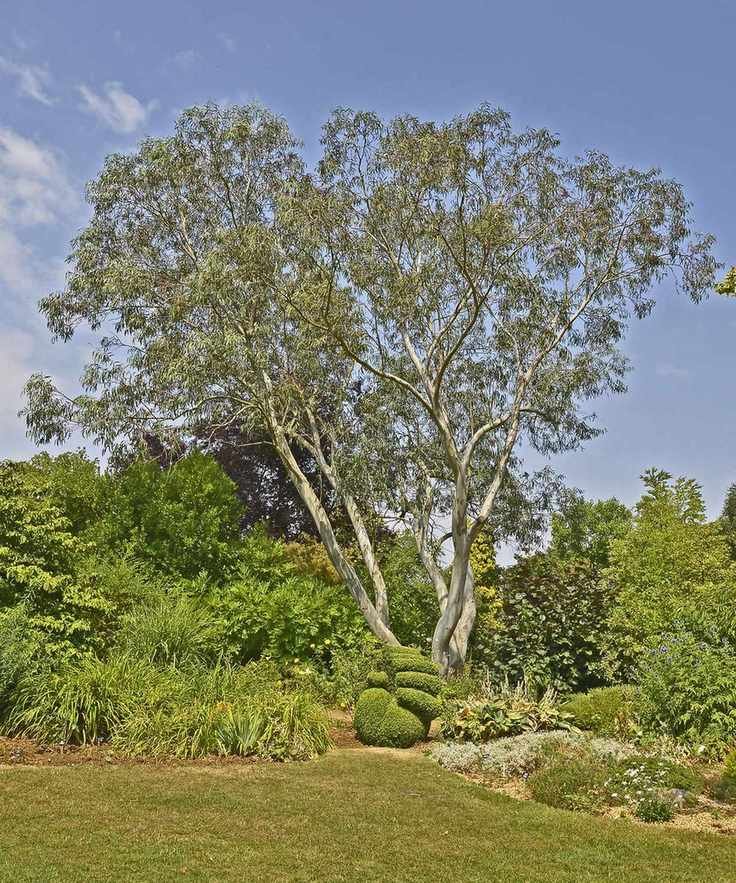
With over 700 species worldwide, eucalyptus trees mostly originate from warmer regions in Oceania. However, some varieties, like the swamp gum, Eucalyptus ovata, and river red gum, Eucalyptus camaldulensis, flourish in damp soils.
These trees prefer mild climates, thriving in US hardiness zones 8 to 10 with high humidity. Be cautious in dry regions, as eucalyptus can pose fire risks due to their flammable foliage and bark.
These trees can reach heights of up to 100 feet, making them ideal for spacious yards, planted away from structures.
Purchase eucalyptus live trees at Amazon.
5. Arborvitae
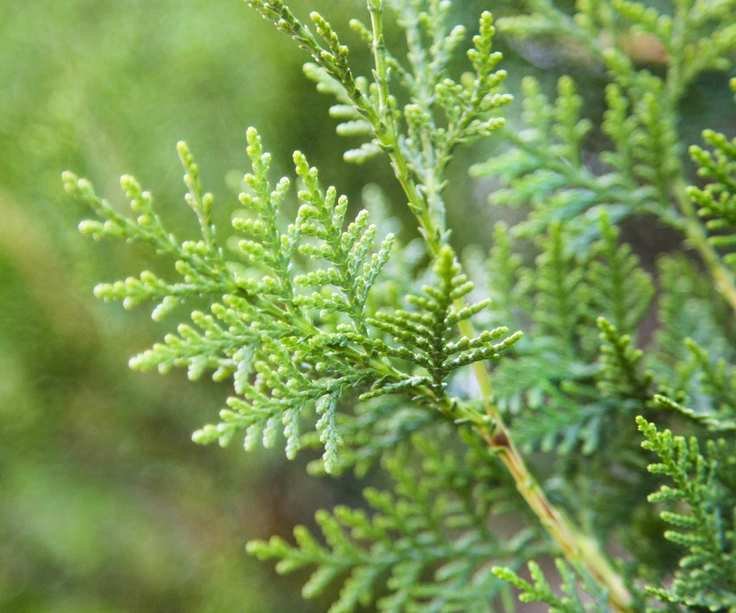
Arborvitae, or Thuja, are popular for their rapid growth. According to garden expert Bert Bast, the 'Green Giant' variety can grow two to three feet annually once established.
These hardy evergreen trees thrive in zones as low as 3 and tolerate moist conditions well, making them perfect for areas with high soil moisture during the fall, winter, and spring.
Find arborvitae live plants at Amazon.
Regardless of which moisture-absorbing trees you choose, the best planting time is between fall and early spring, typically from November to March. Aim for a week when temperatures are cool but not below freezing, and steer clear of planting in waterlogged soil.
For more gardening ideas, check out our guide on the top low-maintenance trees to enhance your yard with resilient species that need minimal care.



