
In our busy lives, it's easy to focus on having a flawless home or a picture-perfect garden, often overlooking the essence of nature. Earth Day serves as a gentle reminder to pause, reconnect with the environment, and embrace meaningful changes that foster sustainability.
If you want to contribute to a wildlife-friendly garden, consider swapping out sterile plants for those rich in nectar.
While you might prefer plants that don't self-seed, avoiding nectar-rich options deprives bees, butterflies, and other insects of essential food sources. Sterile varieties may keep your garden tidy, but this neatness can harm pollinator populations. Embracing a variety of nectar-filled flowers can truly enhance your garden's ecosystem.
Why Choose Nectar-Rich Plants?
Every gardener wishes to avoid the hassle of persistent weeds; hence, sterile cultivars are appealing.
These specially bred species yield minimal seeds, making them easier to manage compared to invasive plants while helping maintain a neat appearance.
However, their aesthetic and practical benefits come with a significant downside: they offer little to no support for pollinators.
While they may alleviate allergy issues, this lack of nectar and pollen means many insects will miss out on vital food sources, and other wildlife might be discouraged from visiting your garden.
Though they look appealing, sterile cultivars often lack pollen and nectar, preventing bees, butterflies, and hummingbirds from thriving.
To create a successful pollinator garden, it's crucial to incorporate diverse nectar-rich plants that can sustain wildlife throughout the year.
Prioritizing sterile plants may keep your garden orderly, but you'll miss the vibrant activity of a bustling pollinator sanctuary and weaken your garden's ecosystem.
What to Plant Instead
Considering this, the best options for pollinators are plants abundant in nectar and pollen, especially during this time when many flowers are yet to bloom.
Even swapping a few sterile plants for nectar-rich varieties can significantly benefit your garden, attracting not only insects but also birds and other wildlife.
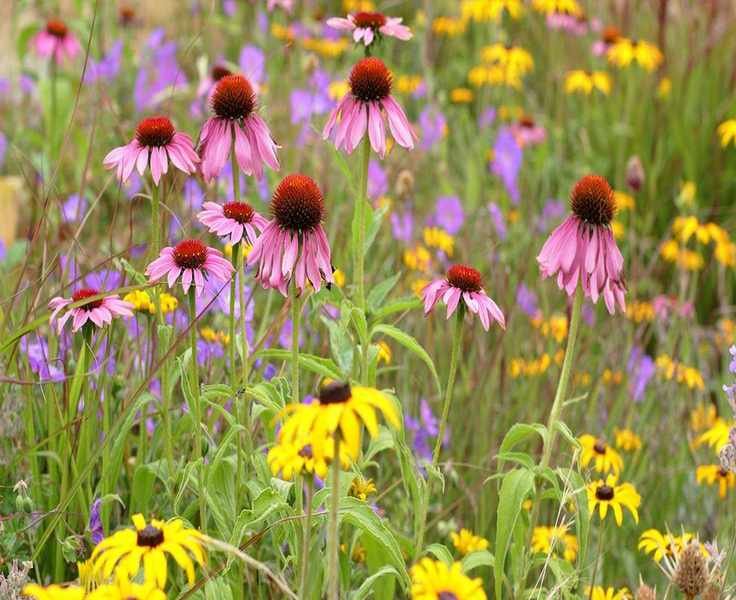
Classic choices include Grosso lavender, native purple coneflowers, and May Night salvia.
Coneflowers are among the easiest plants to introduce; they're hardy, low-maintenance, and particularly favored by bees. Wildflowers such as goldenrod and black-eyed susans are also excellent choices, blooming throughout summer and into fall.
Consideration of timing is crucial: you'll want to include early-blooming plants that support wildlife now, while also planning for later bloomers.
"I aim to have something blooming from early spring to late summer," says Dr. Anne Leonard, a bee expert and Professor of Biology at the University of Nevada, Reno. "It's about offering various options and depending on my neighbors to make wise choices about their gardens too."

Since 2012, Dr. Leonard has taught at the University of Nevada, Reno. Originally hailing from Berkeley, California, she began her journey in animal behavior studies at Brown University. After earning her Ph.D. from the University of California, Davis, she completed a postdoctoral fellowship at the University of Arizona and a Darwin Fellowship at the University of Massachusetts, Amherst, focusing on bee and spider behavior.
Even the plants you might think of as weeds can be essential for pollinators. For example, cowslips and dandelions, often deemed nuisances, serve as crucial food sources for pollinators in early spring.
Unlike cultivated species, these blooms naturally benefit wildlife, even if they appear a bit wild.
"In my garden, I closely observe which plants attract bees and try to increase their numbers," shares Dr. Leonard. "A larger patch makes it even more enticing for pollinators."
Shop Essential Pollinator-Friendly Items
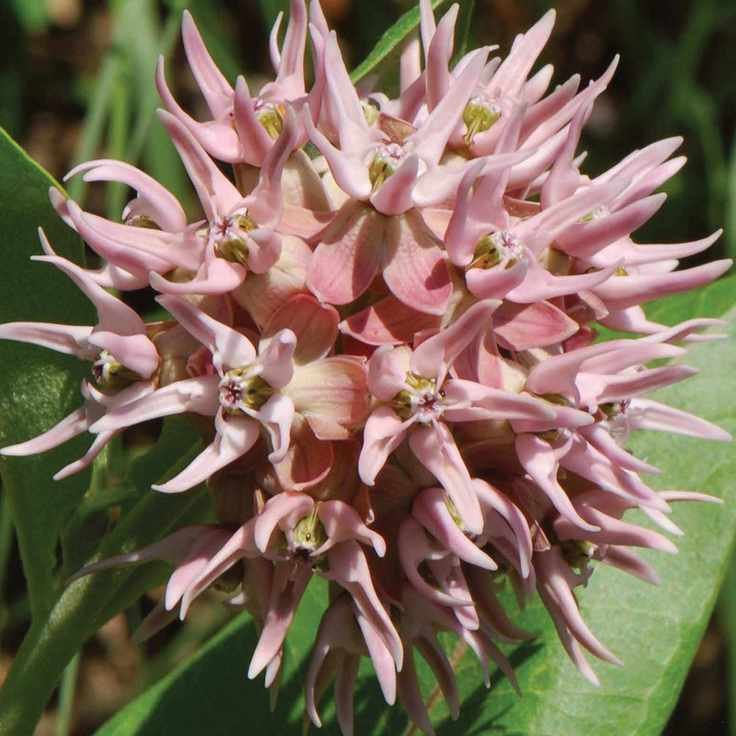 Best for birds
Milkweed plays a vital role as a pollinator-friendly plant, particularly loved by butterflies and beneficial for birds.
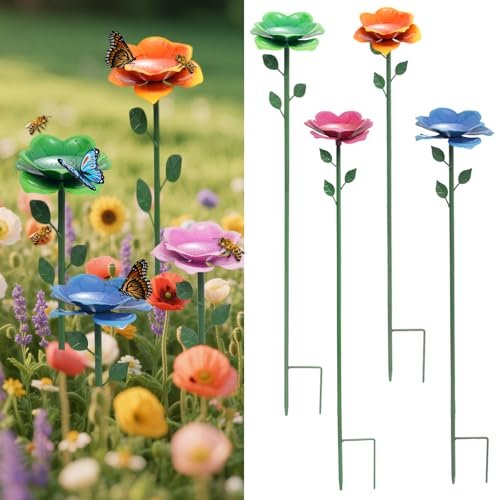 Decorative touch
This set of flower stands can be filled with water for bees, butterflies, and birds to drink and bathe.
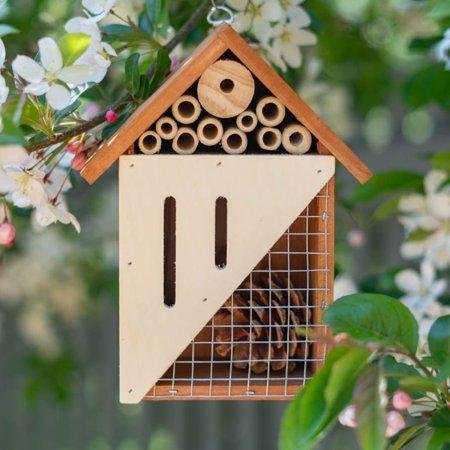 Rustic look
This charming wooden insect hotel offers shelter for butterflies and ladybugs. It can be hung from branches or mounted on walls.
If you seek more Earth Day ideas, explore our guide on creating a pollinator haven, or stock up on aromatic plants that attract wildlife.



