
While it's common knowledge that plants require warmth and light for growth, do you know why these elements are crucial? Understanding hardiness zones and how your local climate impacts plant health can be essential for successful gardening.
Plants require adequate warmth throughout their entire lifecycle, from germination to maturity. However, the ideal temperature for growth varies by species and is often influenced by their native environments. Familiarizing yourself with your US hardiness zone can help you select the right plants for your area.
This principle applies to indoor plants as well; some cold-tolerant houseplants can thrive in cooler conditions, while others need a warmer setting for optimal growth. In the following sections, we will explore how temperature affects plant growth, enabling you to create the best environment for your green friends.
The Impact of Temperature on Plant Growth
Beyond essential nutrients, plants rely on specific temperature ranges to thrive. Temperature plays a vital role in key processes like photosynthesis, germination, and flowering. Consequently, plants typically exhibit more vigorous growth during the warmer spring and summer months, while fall and winter often lead to dormancy — though this pattern can vary among different species.
Every plant type has a temperature range in which it flourishes, reflecting its native habitat. Exceeding this range can have harmful effects on plant health.
"High temperatures can lead to excessive transpiration, causing plants to wilt, and in severe cases, collapse entirely," says Chuck Pavlich, horticulture expert and Director of New Product Development at Terra Nova Nurseries.
Plants situated in the hotter regions of US hardiness zone 10 and above may struggle if they are not adapted to those temperatures, leading to dehydration and potential leaf scorch. Conversely, some Mediterranean and desert plants thrive in these high temperatures due to their ability to conserve moisture effectively.
"Extremely cold temperatures can halt photosynthesis entirely, regardless of light availability, and can cause plant cells to freeze and burst," Chuck explains.
While numerous frost-hardy plants exist, those sensitive to cold will need extra winter protection. This is where overwintering techniques become useful — for instance, wrapping containers with burlap from Amazon to protect roots from freezing.
The US hardiness zones map illustrates temperature variations across regions, helping you assess which plants will flourish in your climate. As Chuck notes, "Hardiness ratings also influence whether plants will grow as annuals or perennials. If they are perennial, hardiness zones can determine if they remain evergreen or become deciduous."
Chuck Pavlich
Ensuring Proper Warmth for Seedlings
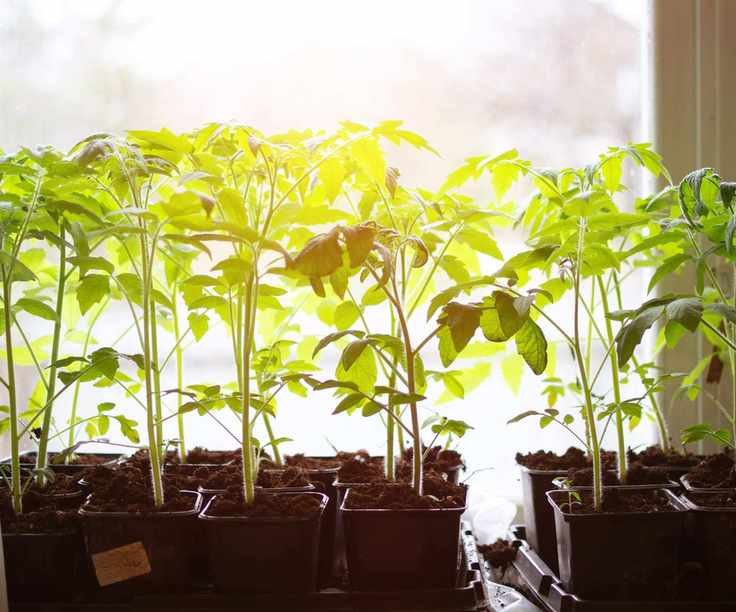
Temperature is crucial for seed germination and seedling growth. One common mistake is failing to place seed trays in sufficiently warm locations.
That's why many gardeners opt to start seeds indoors, utilize a DIY indoor greenhouse, or implement an indoor growing system, such as this heat mat from Amazon. However, excessive heat can also negatively impact seedlings and hinder seed germination.
"Some plants require a specific temperature range to germinate, while others need a combination of warm and cold cycles, and some prefer only cold," Chuck explains. "To find the right conditions, it's essential to consider their native environment. Generally, seed packets contain germination instructions."
Seed stratification is a technique that involves keeping seeds in cold conditions (often in a refrigerator) to simulate a dormant period. Once they transition to warmer temperatures, their growth is initiated.
Thus, it's vital for seeds and seedlings to experience both cold and warm temperatures. Always adhere to seed packet guidelines, and consider using this thermometer from Amazon to monitor the temperature in the room where your seedlings are growing.
FAQs
Can I Grow Plants Outside Their Hardiness Zone?
US hardiness zones provide insight into how well plants will perform across different regions, taking into account the highest and lowest temperatures in each zone. While it's generally not recommended to grow plants outside of their designated zones due to survival uncertainties during winter, it is not impossible. "Plants may struggle in less-than-ideal conditions and may underperform, but they often exhibit more resilience than we expect," Chuck says. "Observe the signs your plants present, experiment, and take chances. Even if a plant isn't listed for your zone, consider trying it, but be aware that it may only thrive as an annual in your climate," he suggests.
Now that you have a better understanding of how temperature influences plant growth, it's wise to research the temperature tolerances of your indoor and outdoor plants, making adjustments as necessary. This includes monitoring nighttime temperatures as fall approaches and implementing measures to protect plants from frost.



