
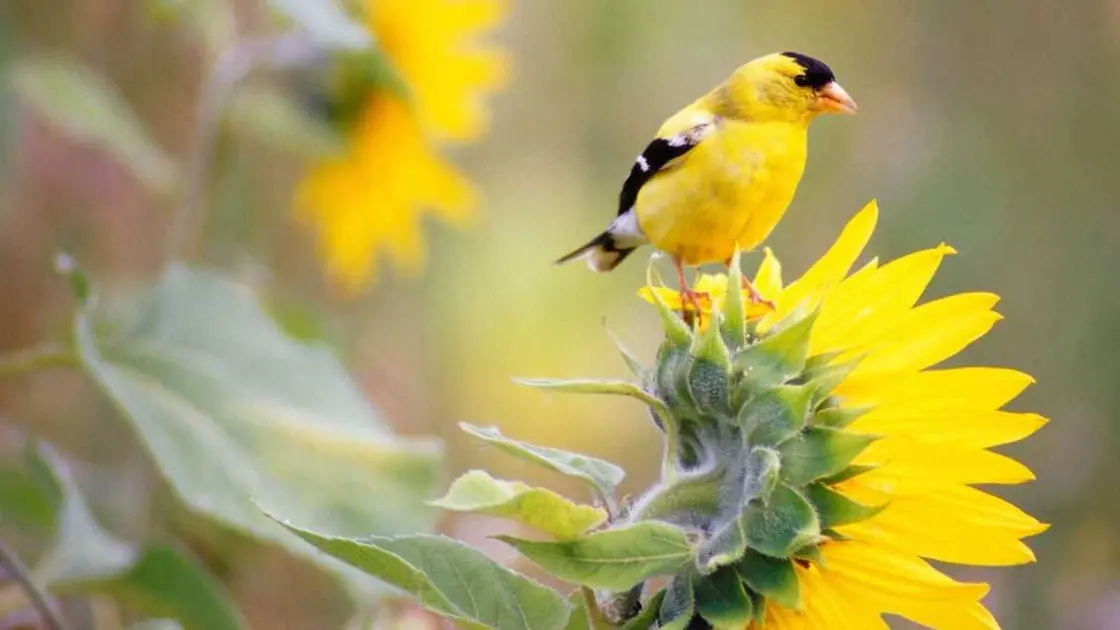
With summer approaching, many of us anticipate the arrival of birds in our gardens. While filling feeders with bird seed is common, experts suggest that focusing on native plants is a better strategy—particularly as the risk of diseases like Avian Pox escalates during this season.
Certain plants, such as sunflowers, directly feed birds, while others attract insects that provide essential protein. Native plants are a healthier choice than seed mixes, which can carry diseases as summer unfolds.
Understanding how to nourish birds involves more than just setting up feeders. Experts emphasize the significance of native plants. Below, we explore their benefits and recommend some options.
Reasons to Skip Seed Mixes in the Summer

Many people depend on seed mixes to attract birds, but there's a compelling reason to avoid them during the warmer months—disease prevention.
'Avoiding seed mixes in summer is crucial,' says Ida DeFrancesco, owner of a local garden service. 'Fresh, living plants are always a healthier choice compared to stored seeds that might contain pathogens.'
Wildlife expert David M. Burrows adds, 'Increased temperatures heighten the risk of diseases such as Avian Pox, Aspergillosis, and Trichomoniasis. Bacteria and viruses often spread through discarded shells and droppings.'
To reduce risks, experts suggest steering clear of feeders with flat surfaces. As bird baths can also transmit diseases, it's vital to offer clean water daily.
While seed mixes serve well in winter when food is limited, they can disrupt birds' natural foraging habits once spring arrives.
'Using communal seed mixes can inhibit birds from foraging naturally,' David explains. 'This dependency on humans can prevent them from seeking food in their environment.'
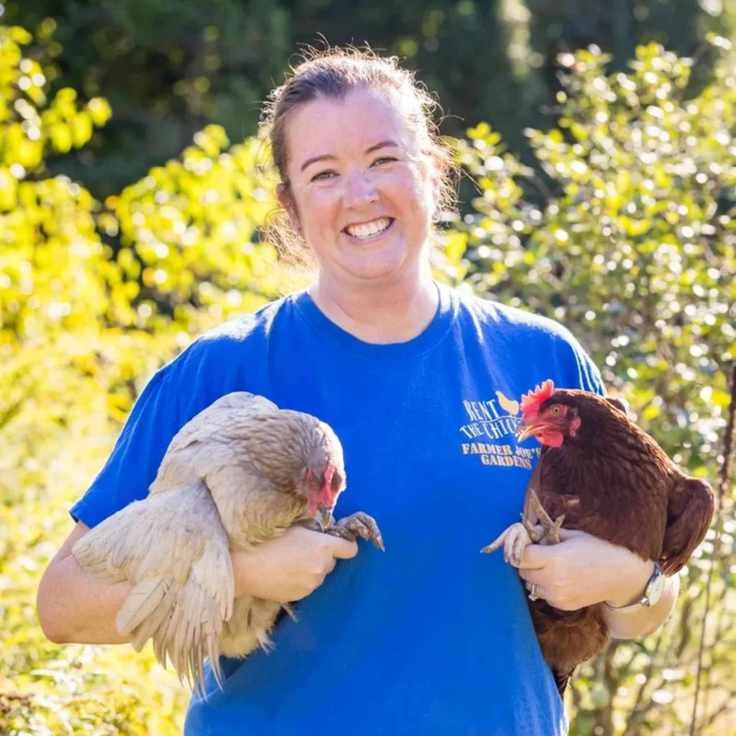
Ida and her husband Joe are a fourth-generation farming family in Connecticut. They created a garden service to connect families with sustainable agricultural practices. The couple received the National Outstanding Young Farmers Award in 2016 and have conducted over 900 educational sessions on sustainable farming.

With over 25 years in business development, David launched his latest venture, Hivessence, in 2021. This organic brand focuses on honey-infused self-care products, supporting pollinator conservation through various projects.
Best Native Plants for Bird Feeding
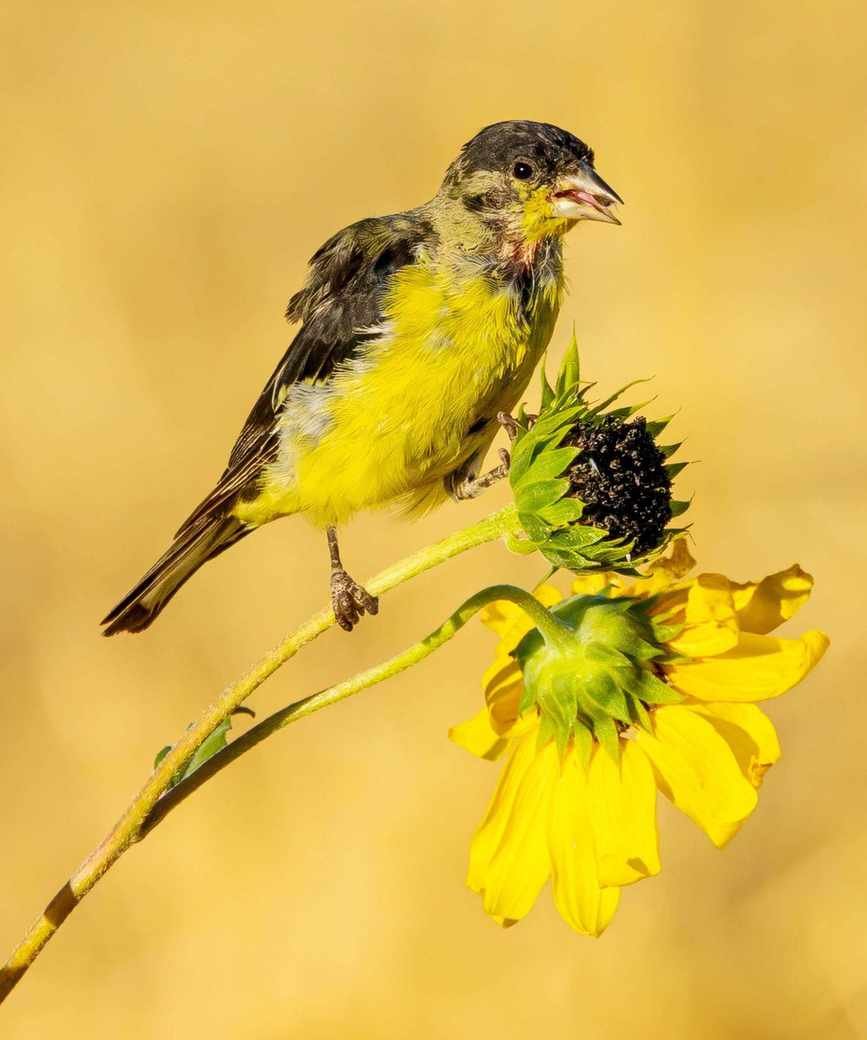
Considering these factors, now's the perfect time to choose plants that benefit birds. Native plants draw insects and other invertebrates, making them excellent for attracting birds during summer and enhancing your garden's beauty.
'For summer, select native plants that entice insects, which are the primary food source for birds,' Ida recommends. 'We cultivate bee balm, echinacea, and clover to foster the insect population that supports birds.'
You can purchase balmy lilac bee balm (or monarda) at Burpee, and magnus purple echinacea (coneflower) at Nature Hills.
By prioritizing pollinator-friendly plants, you'll attract birds and keep them nourished throughout the summer. Sunflowers are an excellent option: they not only attract bees and butterflies, contributing to a vibrant wildlife garden, but also provide seeds directly for birds.
'We plant sunflowers in stages from now through summer,' Ida notes. 'Various types mature at different times, ensuring a continuous supply of fresh seeds.'
Many gardeners use black oil sunflower seeds (available on Amazon) to attract birds. Although it's wise to avoid seed mixes now, growing sunflowers will allow birds to enjoy fresh seeds directly.
'We rarely harvest the seeds; wild birds find the heads and form feeding groups,' Ida shares.
Plus, planting sunflowers can help keep birds from raiding other crops.
'Sunflowers naturally draw birds away from our other crops, like corn,' Ida explains. 'It's a smart companion planting strategy: provide birds with what they crave—fresh sunflower seeds—and they'll leave your vegetables alone.'
Shopping Recommendations
 Ideal for birds
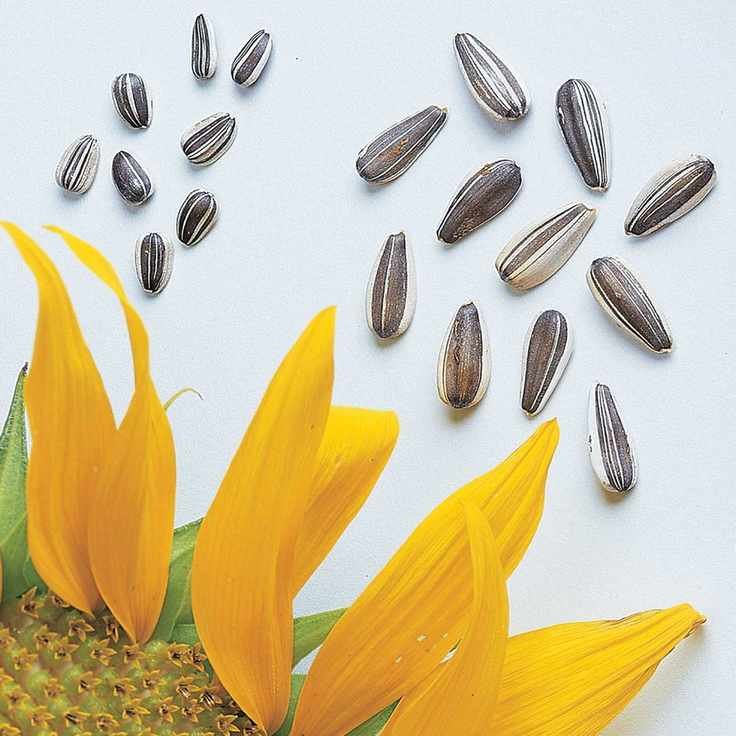
According to Burpee, this sunflower mix yields the easiest seeds to crack—ideal for both birds and your snacking needs. These sunflowers can reach heights of about five feet.
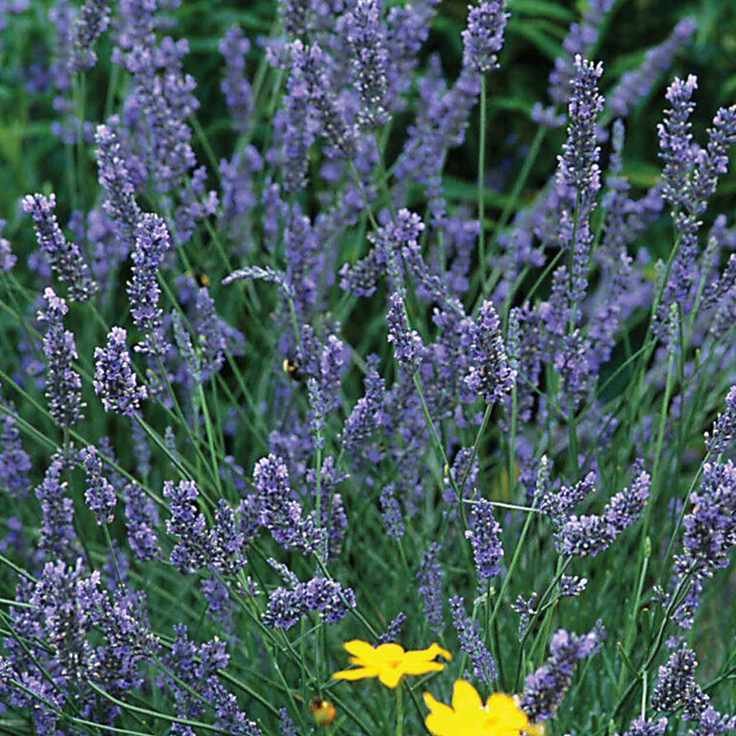 Reliable pick
Growing lavender effectively attracts various pollinators and supports garden birds. It's low-maintenance and drought-resistant.
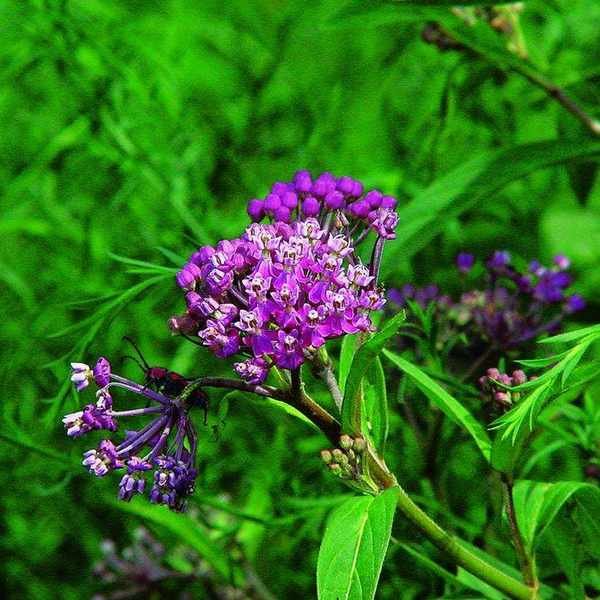 Vibrant blooms
Milkweed (asclepias) is adored by butterflies and offers essential nesting materials for birds, while its seeds serve as a fantastic food source in summer.
If you're seeking more advice, check out our tips on flowers for bird baths or explore our favorite birdhouse ideas.



