
Low-maintenance ground cover plants that flourish with minimal care are some of the most valuable additions to any garden. These hardy plants quickly cover bare earth, inhibit weeds, and retain moisture—all while providing a lush carpet of leaves and, in many cases, delightful blooms. Spring is the perfect season to plant them, allowing ample time for roots to establish before the heat of summer hits.
From sprawling estates to urban gardens, I've found these tough plants invaluable for filling in awkward spaces and softening harsh areas. However, no plant is completely maintenance-free. While these selections can endure drought, poor soil, and shade, they appreciate a little trimming now and then. Some types, like vinca or wild ginger, may spread more aggressively than anticipated, so it's wise to check their suitability for your climate.
Here are five of the most trusted ground cover plants I've encountered as a gardener. Whether it's the silver leaves of lamb's ear softening a stone path or Japanese spurge filling gaps under shrubs, these reliable choices show that beauty and resilience can coexist.
Understanding Neglect-Tolerant Ground Covers
Once settled, these tough species can thrive without regular watering or feeding.
Nonetheless, use caution when planting. Many of these varieties grow vigorously, and while they prefer to be left alone, in certain areas, they can become invasive and should be avoided.
1. Wild Ginger

Wild ginger is an excellent native ground cover that effectively suppresses weeds. Hardy to zone 3, this resilient North American plant thrives in dark, moist woodlands found throughout much of Canada and the US.
You can find wild ginger starter plants on Amazon, or get wild ginger seeds at Walmart.
For optimal growth, wild ginger prefers shady areas and soil that retains some moisture. However, it's adaptable enough to thrive in swampy or dry conditions beneath large trees.
Be cautious, though; this plant can spread aggressively and may be labeled as an invasive species outside its native habitat. Always do your research before planting.
2. Periwinkle

Periwinkle is an excellent evergreen option for filling beds and borders throughout the year. Both Vinca minor and Vinca major create low, spreading mats that are particularly effective on slopes, helping to bind soil and prevent erosion.
Resilient and versatile, periwinkle is hardy to zone 4 and flourishes in dry shade, though it can adapt to various conditions—from sunny beds to dark corners.
You can buy periwinkle online at Nature Hills. Live starter plants are also available on Amazon.
This plant spreads by rooting wherever stems touch the ground, making it great for quickly covering large areas. However, in many eastern US regions, periwinkle may be considered an invasive perennial, so be ready to manage its growth.
3. Wild Geranium
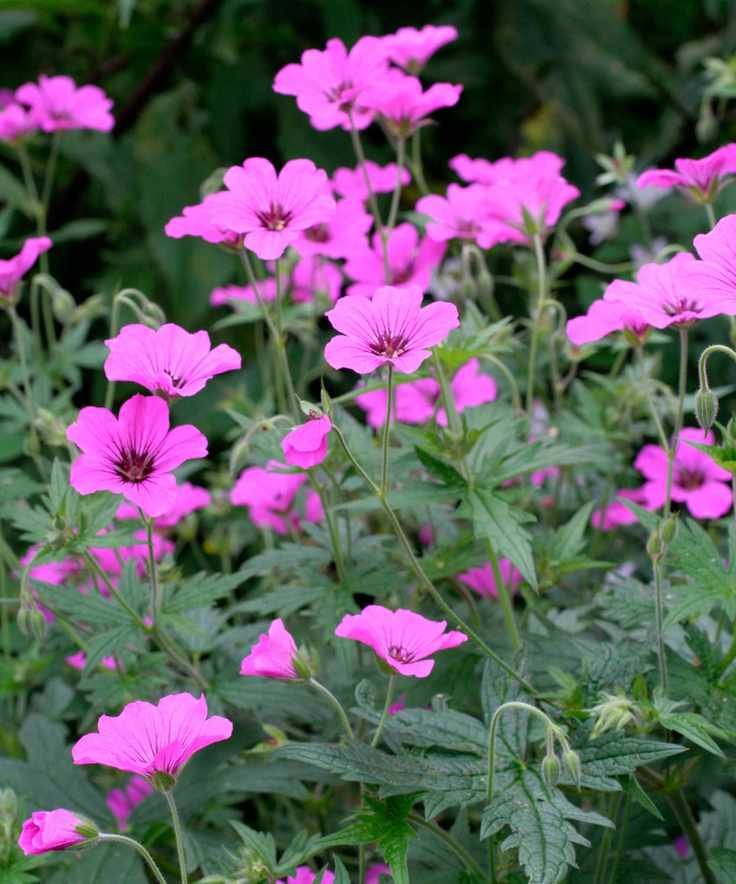
Wild geranium is a standout hardy variety you can count on. Native to North American woodlands, wild geraniums, or Geranium maculatum, rank among the easiest ground covers to cultivate.
To grow wild geraniums, this hardy, pest-resistant species can flourish from zone 3 to zone 8.
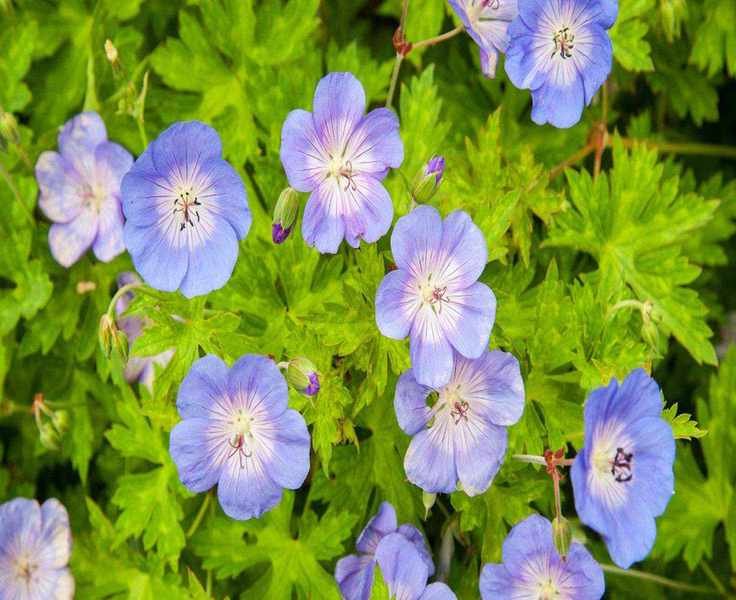
The lilac 'Rozanne' variety of wild geranium from Nature Hills is stunning, and its fragrant blooms attract bees.
These are perennials that thrive on neglect, able to grow comfortably beneath large trees and in woodland areas.
They adapt well to various climates and conditions, flourishing in both shade and sun. In cooler regions, including zones 3 and 4, provide some sun exposure, while in southern areas, shade is preferable.
Once established, wild geraniums produce numerous pale pink flowers in spring, while their attractive palmate leaves last until the first frost.
4. Japanese Spurge
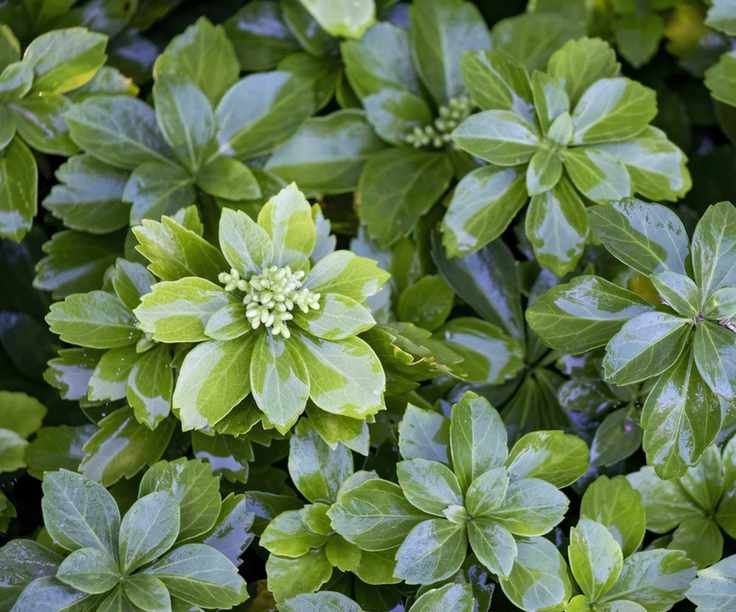
Japanese spurge, or Pachysandra terminalis, is an evergreen ground cover plant I rely on in several gardens.
This species may not be flashy, but it provides dependable year-round coverage with its thick, glossy green leaves that thrive in shady spots.
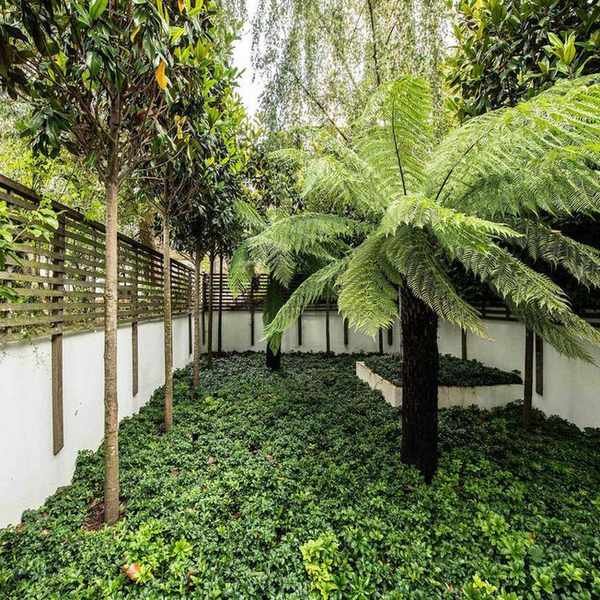
Japanese spurge is one of the best options for planting under trees, thriving where few other plants can survive.
It grows well from zone 4 to zone 8, making it an excellent choice for fuss-free coverage.
However, it can be slow to establish, often taking a year or two before it fills bare areas with dense foliage.
You can find Japanese spurge at Walmart.
Keep in mind, like other plants listed here, Japanese spurge can grow aggressively in certain situations, sometimes becoming an invasive species. Make sure to check with local guidelines before planting.
5. Lamb's Ears
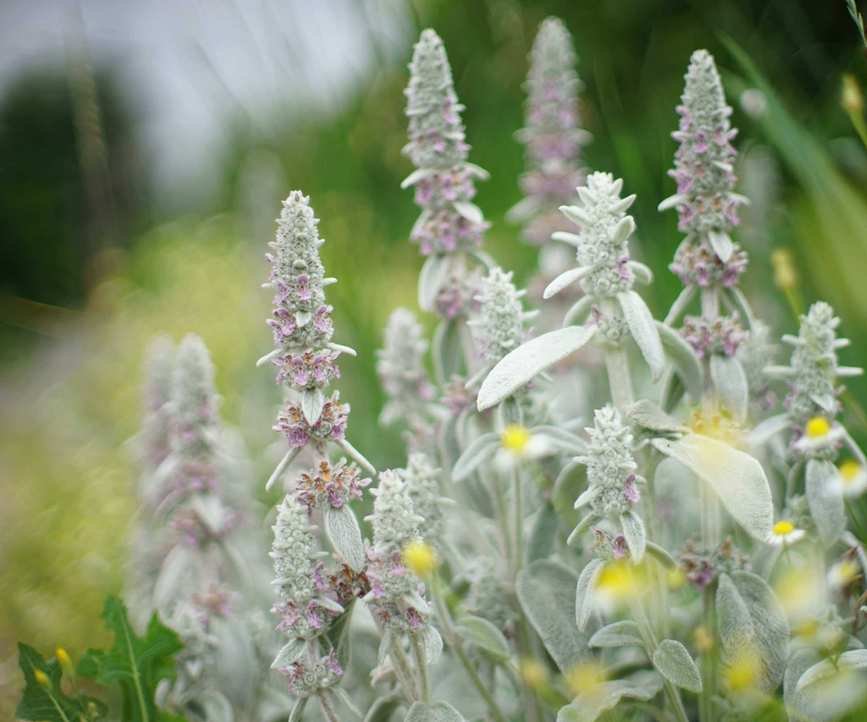
Stachys byzantina (lamb's ears) excels as a ground cover for sunny areas, thriving in full sun and handling drought well once established. Its soft, silver foliage makes it one of the most beautiful and reliable low-growing plants for dry, exposed spots.
You can find this tactile Stachys byzantina 'Helene Von Stein' at Nature Hills.
I've cultivated it in a Tuscan gravel garden, where it naturally spread along sun-baked paths, thriving in poor, well-drained soil with minimal care. It's among the best silver-foliaged plants for both aesthetics and resilience, forming dense mats that suppress weeds and endure light foot traffic.
Hardy from zones 4–10, lamb's ears also produce upright pink flower spikes in late spring and early summer, which can be trimmed if they become unruly. Late spring is the best time to plant, giving the plants a full season to establish before the intense summer heat.
Essential Tools for Planting Ground Covers
Hori Hori Garden Knife
This long, sharp blade is perfect for planting plugs and ground covers in challenging spots beneath trees and shrubs.
Berry & Bird Trowel
Crafted from wood and strong stainless steel, this handy trowel makes weeding and planting easy.
Cowhide Leather Gloves
These durable gardening gloves are stylish and provide protection during pruning and planting tasks.
When incorporating ground cover plants that thrive on neglect into your garden, ensure you firm them in before deep watering to give these tough species a solid start. Before long, they'll settle in and spread beautifully.
Once established, most of these plants can be largely ignored, aside from occasional pruning or dividing.
For more plant ideas, check out our guide on the best flowering ground cover options to brighten your garden with color. This list features unique and vibrant species to try this year.



