
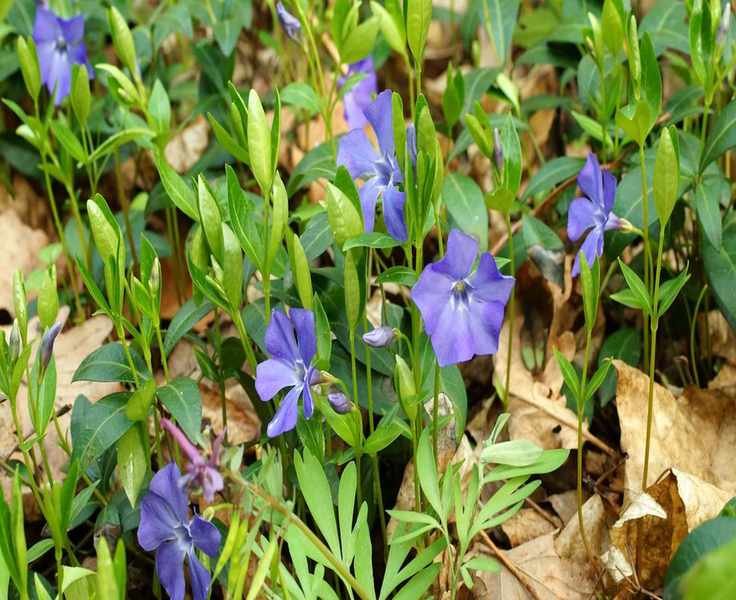
Periwinkle, scientifically known as Vinca minor, is a hardy and adaptable plant that flourishes in both sunny and shady spots. This plant excels at filling difficult areas beneath trees and in dimly lit borders.
As someone with a background in gardening, I've cultivated Vinca minor in numerous settings, both public and private, without any major issues. However, be aware that it grows vigorously and can spread rapidly. It's classified as invasive in several eastern states, so it's wise to check with local authorities before planting.
If you're after evergreen ground cover options that require minimal care and don't mind a bit of maintenance now and then, periwinkle could be the right choice. Here's a comprehensive guide to help you grow periwinkle this year.
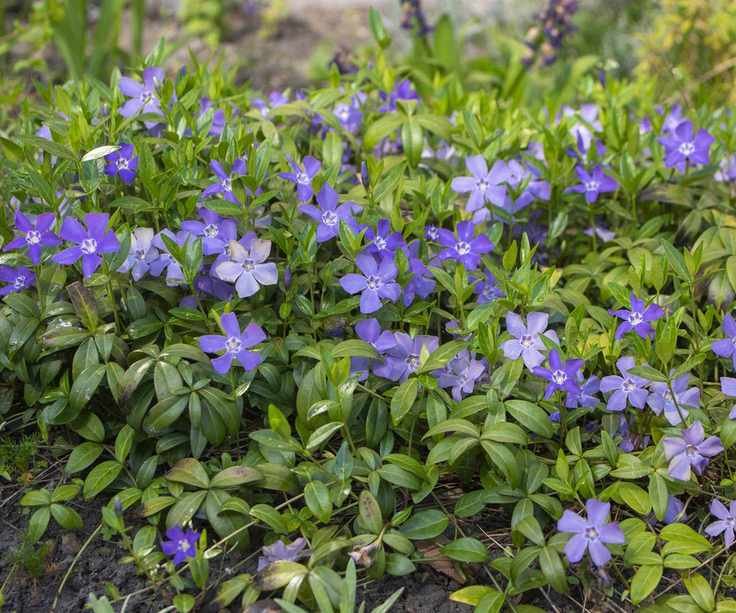
Growing Periwinkle
Garden designers and landscapers appreciate periwinkle for its adaptability to various environments. This plant thrives whether in sunny or shady spots, sandy or clay soils, and can withstand US hardiness zones from 3 to zone 9.
Over time, this robust plant can create thick colonies, so regular trimming is necessary to keep it in check. If you desire a pest-resistant and deer-proof plant, learning how to cultivate periwinkle could be beneficial.
Periwinkle Growth Characteristics
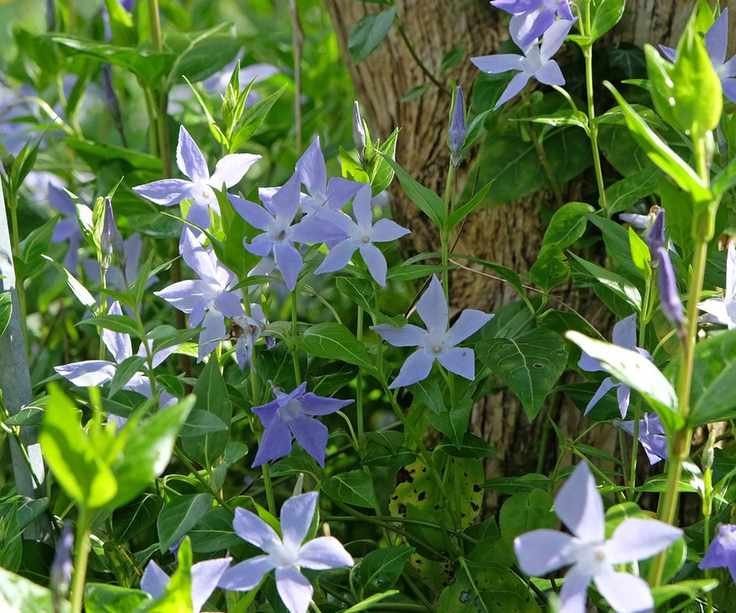
Originating from temperate regions of Europe, periwinkle is a remarkable ground cover plant that adapts well to various landscapes. Thriving best in US hardiness zones 3 through zone 9, it can rapidly cover large areas, including slopes and banks.
'While they adapt well to many locations, a few hours of sunlight each day yield the best results,' explains plant expert Katie Sunderlage from Wisconsin. 'They can tolerate shade, but deep shade may lead to leggy growth and fewer blooms.'
Each stem can extend up to 18 inches, rooting at joints and leaf nodes, facilitating quick spread and creating a lovely floral ground cover. Due to its ability to root and stabilize loose soil, periwinkle is often regarded as an excellent ground cover for preventing soil erosion, especially beneficial if your garden has steep areas.
When working with periwinkle, it's advisable to wear gardening gloves since the plant can be toxic, causing skin irritation and nausea if ingested. Keep an eye on kids and pets while they play outside.
Shipped without soil or pots, bare root periwinkle plants offer an affordable way to green your space. Plant them in spring or fall when temperatures are mild and the soil is moist.
Periwinkle Care Tips

Soil: Periwinkle can thrive in various soils, but good drainage is essential for optimal growth. 'Roots may rot if exposed to overly wet soil for extended periods,' Katie warns. 'Enhancing clay soil structure with annual mulching is advisable.'
Light: This plant performs well in sun or shade, with part-shade usually yielding the best results, as afternoon sun can scorch the leaves.
Watering: 'Periwinkle is notably drought-tolerant,' Katie states, making it perfect for dry, shaded areas beneath trees and shrubs. While it withstands dry spells, watering during the first year helps establish the plants. Once established, this resilient ground cover requires little watering.
Fertilization: 'Generally, they don't need fertilizer if planted correctly,' Katie remarks, noting their ability to thrive in poor soil. If fertilizing, opt for a slow-release all-purpose formula and apply it at half strength in spring.
Pruning: Due to its vigorous growth, regular pruning is crucial to control periwinkle's spread. Prune in spring by cutting back significantly. While some gardeners use strimmers or mowers, using pruning snips is recommended. Felco pruning snips can be found on Amazon.
Toxicity: Periwinkle is harmful to humans and can irritate skin and cause stomach upset if ingested. It's also toxic to dogs and cats, so vigilance is necessary when pets are outdoors.
Common Questions
Should I grow periwinkle from seeds or buy starter plants?
'Periwinkle is widely available at nurseries, and smaller starter plants are a budget-friendly way to cover an expansive area,' Katie suggests. 'Plant these plugs outdoors after the last frost in spring when temperatures are consistently above 60°F/15°C. If sowing seeds, do so indoors 12 to 14 weeks before the last expected frost.' Vinca minor seeds are available on Amazon.
What distinguishes Vinca minor from Vinca major?
Both species are types of periwinkle, but they differ slightly in size and shape. As the name implies, Vinca minor features smaller leaves and flowers compared to Vinca major, also known as greater periwinkle. These two varieties are known for their vigorous growth and can be invasive in some regions, so always do your research before planting.
For those concerned about invasive species or weeds in your garden, consider a low-maintenance native alternative. For instance, learning about growing wild ginger, commonly found across North America, can create an appealing green ground cover during the warmer months.



