
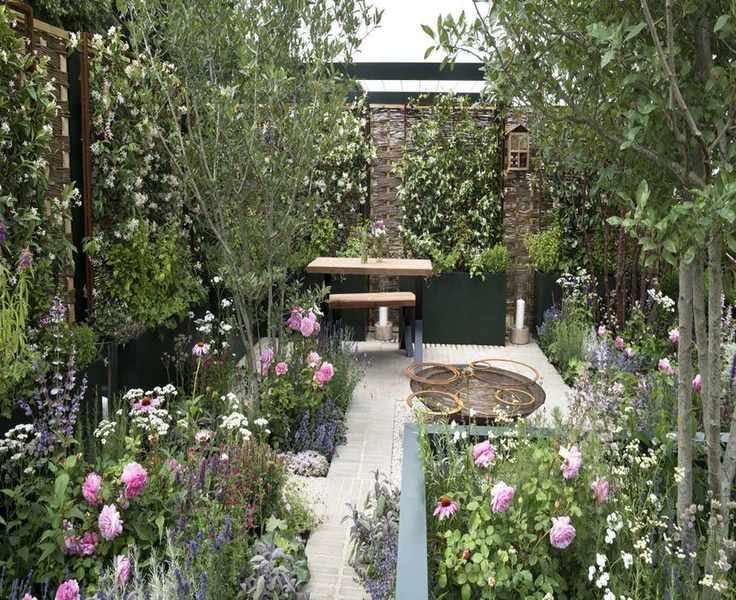
May presents an ideal opportunity to enhance your garden with a diverse range of plants, ensuring it shines throughout the summer. This month, you can choose from perennials, annuals, bulbs, tubers, grasses, and edibles for a garden that requires minimal upkeep.
As the soil warms and moisture levels rise in most areas, May becomes a time of excitement for gardeners. With frosty nights behind us, it's the perfect time to sow seeds outdoors, transplant seedlings, or plant new arrivals from local nurseries or online.
From my experience working in public gardens, May was pivotal for planting flower beds, borders, containers, and kitchen gardens for summer preparation. Think creatively about your backyard design. Whether you desire flowers, textures, or vegetables, now is the time to plant. Let's explore what you should plant this month.
Choose Easy, Long-Blooming Flowers
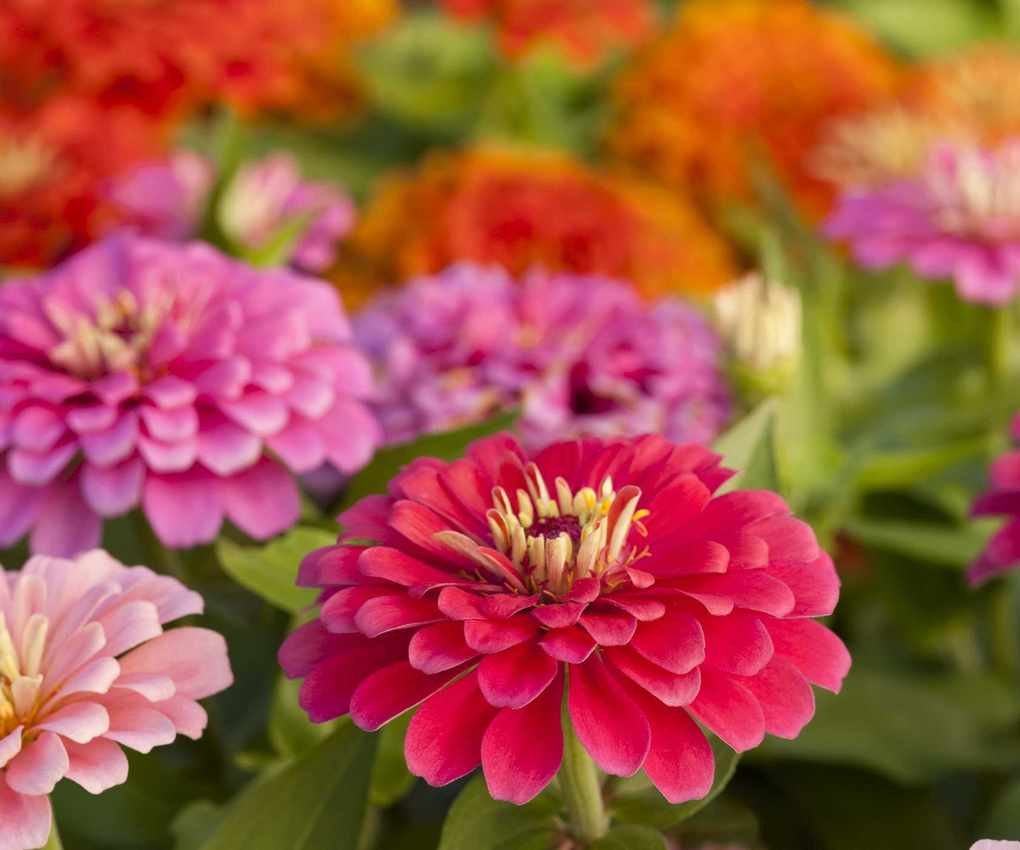
Many gardeners dream of lush flower beds or container gardens filled with colorful summer blooms. May is the best time to kickstart that vision with numerous low-maintenance, long-blooming plants that you can sow from seed.
Consider planting zinnias, cosmos, sunflowers, marigolds, cornflowers, snapdragons, and poppies directly in their designated spots this month. These seeds germinate quickly, offering vibrant blooms from early summer.
Sowing seeds directly outdoors in flower beds or containers is a fantastic way to fill empty spaces and introduce splashes of color. You can also start some of these indoors and then transplant them outside when conditions are right.
Once the frost danger is over, you'll want to plant sweet peas and other tender annuals that you may have nurtured indoors for added color in your garden.
California Giant Mix zinnias produce vibrant blooms in mixed shades of orange, pink, red, and yellow. The flowers measure 4-6 inches and are perfect for cutting.
Cosmos Crazy Blend includes over ten varieties in one packet. These plants can grow three to six feet tall and attract bees and butterflies with their blooms.
Velvet Queen sunflowers feature large, blood-orange heads surrounding a dark center. They are excellent for cutting, and their seeds can be saved for next year's planting.
Grow Abundant Vegetables
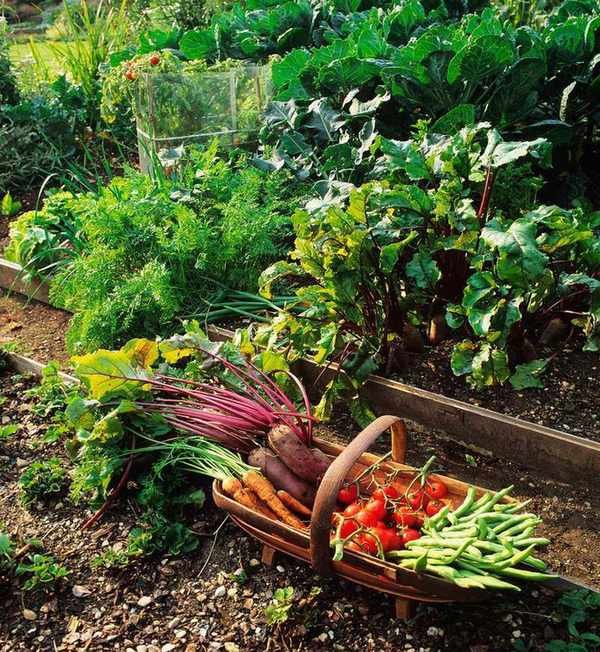
May is prime time for vegetable gardening, bustling with opportunities to sow seeds and introduce plants into your beds. There's a broad range of crops to fill your kitchen garden with summer vegetables.
You can directly sow quick-growing vegetables like radishes, spinach, and spring lettuces to harvest before the peak heat triggers bolting.
As the soil warms, sow carrots, beets, green onions, and rutabaga directly for summer crop growth. Stagger your sowing every few weeks for continuous harvests.
May also allows you to plant heat-loving vegetables started indoors or purchased as young plants. Tender crops such as tomatoes, cucumbers, corn, zucchini, pumpkins, and squash can now find their final spots.
Highly productive options for May include beans, peas, kale, and chard. These can yield impressive harvests, especially when harvesting kale and chard (along with broccoli, arugula, spinach, and lettuce) as cut-and-come-again vegetables.
A collection of radish seeds offers six varieties, including French Breakfast, Watermelon, and Purple Plum.
A variety pack of carrot seeds features five colorful types: Little Finger, Nantes, Solar Yellow, Starburst, and Dragon Carrots.
Sungold tomatoes are cherished for their golden-orange fruits and sweet flavor, producing abundant cherry tomatoes each season.
Introduce Native Perennials for Pollinators
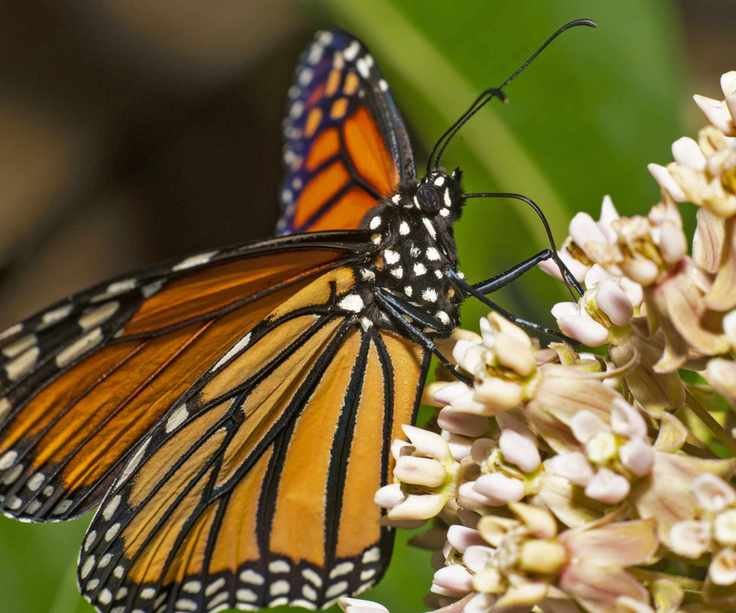
May is a fantastic time to plant perennials, especially native plants that support local wildlife. These plants are adapted to your climate and the local pollinators, establishing quickly when planted this month.
May is ideal for planting perennials, allowing them to develop strong roots before summer hits. Flowers like black-eyed Susan, milkweed, coneflower, asters, and bee balm will bloom beautifully, inviting bees, butterflies, and hummingbirds to your garden.
To ensure the best start, enhance your planting site with organic matter. Adding compost or well-rotted manure enriches soil structure, retains moisture, and provides nutrients as it decomposes.
Mulching after planting is recommended for regulating soil temperature, conserving moisture, and suppressing weeds. Use a layer 2-3 inches deep of compost or shredded bark around newly planted perennials, but avoid covering them completely.
Swamp milkweed serves as a vital host for monarch butterflies, thriving in zones 3-6 and producing fragrant pink flowers in late summer.
Pink Crush New England Aster attracts bees and butterflies with its deep pink flowers in late summer and early fall, growing to 1-2 feet tall and 2-3 feet wide, suitable for zones 4-8.
Bee balm plants draw bees, hummingbirds, and butterflies with their tubular flowers, available in a two-pack featuring pink and purple blooms.
Incorporate Grasses for Visual Impact
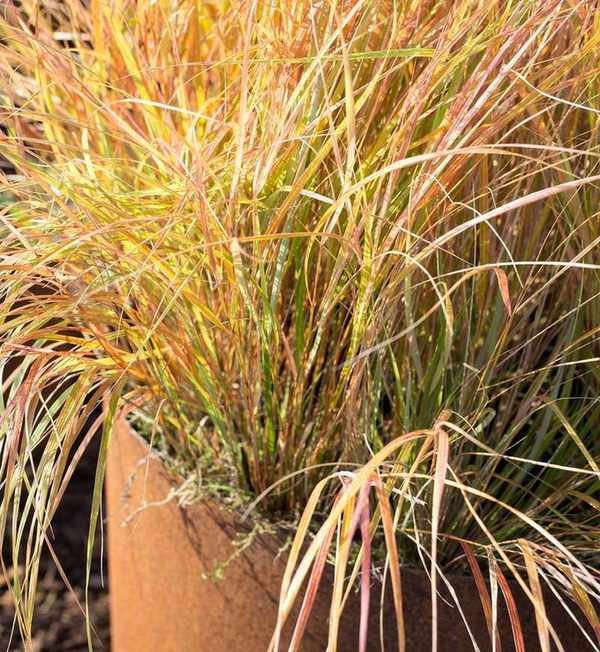
Ornamental grasses vary greatly in size and shape, from petite blue fescue under a foot tall to towering pampas grass over six feet high. The selection includes both warm- and cool-season varieties, along with evergreen and deciduous types.
Landscaping with ornamental grasses provides movement and drama, whether used for screening, mixed in with flower beds for texture, or as standout specimens in containers.
May is prime for planting warm-season grasses such as switchgrass (Panicum), fountain grass (Pennisetum), and maiden grass (Miscanthus). Planting this month allows them to establish well before summer's heat.
Position ornamental grasses in sunny areas, but they can tolerate some shade. When using grasses in containers, choose heavier pots to prevent tipping and use a well-draining mix, as grasses dislike sitting in wet soil.
Shenandoah Switch Grass provides seasonal interest with foliage changing from blue-green to deep red to bright orange throughout the year, reaching 3-4 feet tall.
Red Fountain Grass is a fast-growing, low-maintenance variety with maroon blades, suitable for planting in the ground or containers. This pack includes three live plants.
Adagio Maiden Grass is a compact ornamental grass that grows to 3-4 feet tall, showcasing low-maintenance silver-green foliage with pinkish flowers.
Grow Flowering Tubers for Stunning Blooms
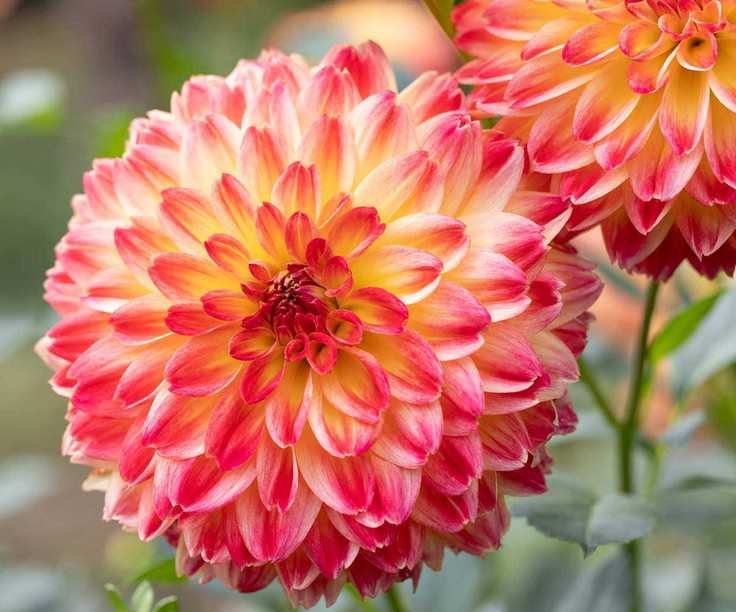
For vibrant summer displays, consider planting flowering tubers, bulbs, and corms in May.
After the frost threat is over and the soil warms to around 60°F, summer-flowering bulbs and tubers like dahlias, cannas, gladioli, agapanthus, and crocosmia can be planted for a splash of color that lasts into fall.
Dahlias, in particular, are beloved by gardeners for their variety in shape, size, and color, enhancing any garden.
It's not too late to acquire dahlia tubers, with planting opportunities stretching into early June depending on your location. Whether in borders or pots, there's a dahlia variety perfect for your garden.
For optimal bulb performance, mix organic matter like compost or well-rotted manure into the soil before planting for improved structure and moisture retention.
'The President' is a popular canna variety featuring scarlet-red flowers and lush foliage, blooming from summer into early fall.
This delightful mix of dahlias includes two tubers of four varieties, showcasing large blooms in various sizes and shades.
Poppin' Star Lily of the Nile features striped blue and white flower heads on 24-inch stems.
Even smaller gardens can be vibrant and lively. Fill pots and troughs with long-flowering container plants for a stunning summer display filled with color.
Some top container flowers to consider for May include sunflowers, alyssum, thunbergia, and black-eyed Susans.



