

Sowing seeds early in the year carries its risks, and success is never guaranteed. While I wish I could assure you that every early sowing would thrive, that would be misleading. Opinions vary widely; social media showcases enthusiastic gardeners starting their seeds in January, while seasoned experts caution patience, viewing such early efforts as misguided.
Indeed, you can plant seeds in January. Here, we have recently discussed various flowers and vegetables suitable for sowing during this month. However, it's crucial to recognize that early sowings demand extra warmth and light to germinate and grow into robust plants.
Having worked as a professional gardener for years, I began sowing vegetable seeds in January, cultivating crops for restaurants year-round. I still continue these early sowings in my home vegetable garden. Through numerous successes and failures, I've gathered valuable insights. Here are my five key steps for ensuring successful early-season sowings.
5 Key Steps for Successful Early-Season Seed Sowing
To sum it up, the fundamental steps for successful early-season sowings revolve around providing the right warmth and light to seeds and seedlings, along with proper care and watering to keep them healthy during this crucial period.
Your success rate with early sowings largely depends on the environment you choose for them. A greenhouse is ideal, but a warm windowsill can also work. You may need additional equipment like heat mats and grow lights.
Consider investing in complete sowing kits available on Amazon, which include seed trays, heat mats, grow lights, and humidity domes, all designed to enhance your chances of success with early sowing.
1. Time Your Sowing Correctly
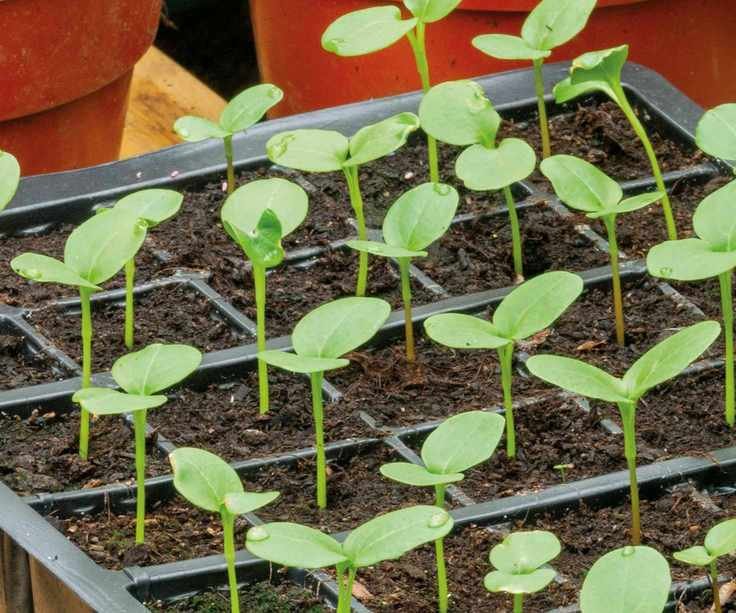
One of the most overlooked aspects of successful early-season sowings is timing. As with many things, timing is everything.
Starting seeds indoors at the right time of year gives them the best chance to germinate and remain healthy. If you miscalculate, you risk poor germination rates, leggy seedlings, and stressed plants that are more susceptible to pests and diseases.
Knowing the frost dates in your area is essential for timing your seedling transplants. This helps prevent seedlings from sitting too long in trays or pots, becoming unhealthy and root-bound while occupying space in your greenhouse or cold frame.
Seed packets provide vital information regarding the optimal sowing times, both indoors and outdoors, along with details about planting depth and soil temperature. They are your best reference for sowing guidance, and you can also find this information in gardening books and online resources.
At the season's start, create a seed sowing schedule. By referring to seed packets and working backward from the last frost date, you can effectively plan your sowings and start flower and vegetable seeds indoors at the right time.
2. Provide Adequate Heat for Seeds and Seedlings
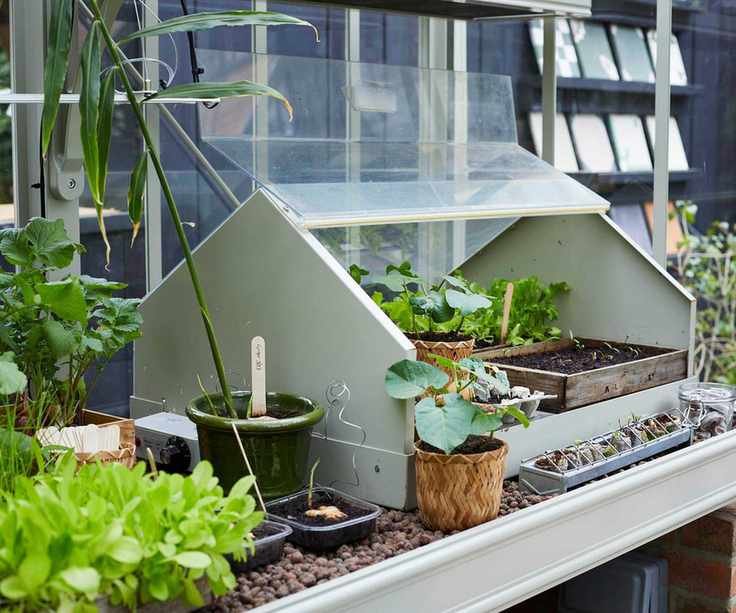
For most gardeners, particularly those not situated in the warmest US hardiness zones, early sowings will be conducted indoors. The naturally lower levels of heat and light outdoors limit sowing opportunities.
You can start seeds as early as January indoors, including long-season crops like eggplant, peppers, tomatoes, and onions, along with flowers such as verbena, nicotiana, and Icelandic poppies.
These seeds must be sown in a protected environment, like a greenhouse or warm windowsill, where sufficient heat is vital for success. This is why many gardeners choose to wait until early spring to begin sowing.
The minimum temperature for seedlings in a greenhouse typically hovers around 45°F, but for germination, higher temperatures are generally required, ranging from 64-75°F.
Over the years, I have used heated propagators, heat mats, and fan heaters (like this greenhouse fan heater with thermostat available on Amazon) to provide essential warmth for my early sowings. This additional heat enhances the likelihood of robust, quick germination, especially for warmth-loving crops like eggplant, tomatoes, and chili peppers.
Heat mats serve as an economical solution to deliver necessary bottom warmth to seed trays, such as this seedlings heat mat from Burpee, which can elevate temperatures by 10-20 degrees.
In late winter and early spring, you can also warm the soil for the first outdoor sowings of cool-season crops like beets, carrots, and spinach using plastic sheeting, cloches, or portable cold frames.
These crops can germinate in soil temperatures as low as 45°F, but you'll achieve far better results if you can preheat the ground and safeguard seedlings from plummeting temperatures.
Again, seed packets are a valuable resource, providing specific temperature requirements for germination and the correct sowing times for both indoor and outdoor planting.
3. Ensure Proper Light Levels
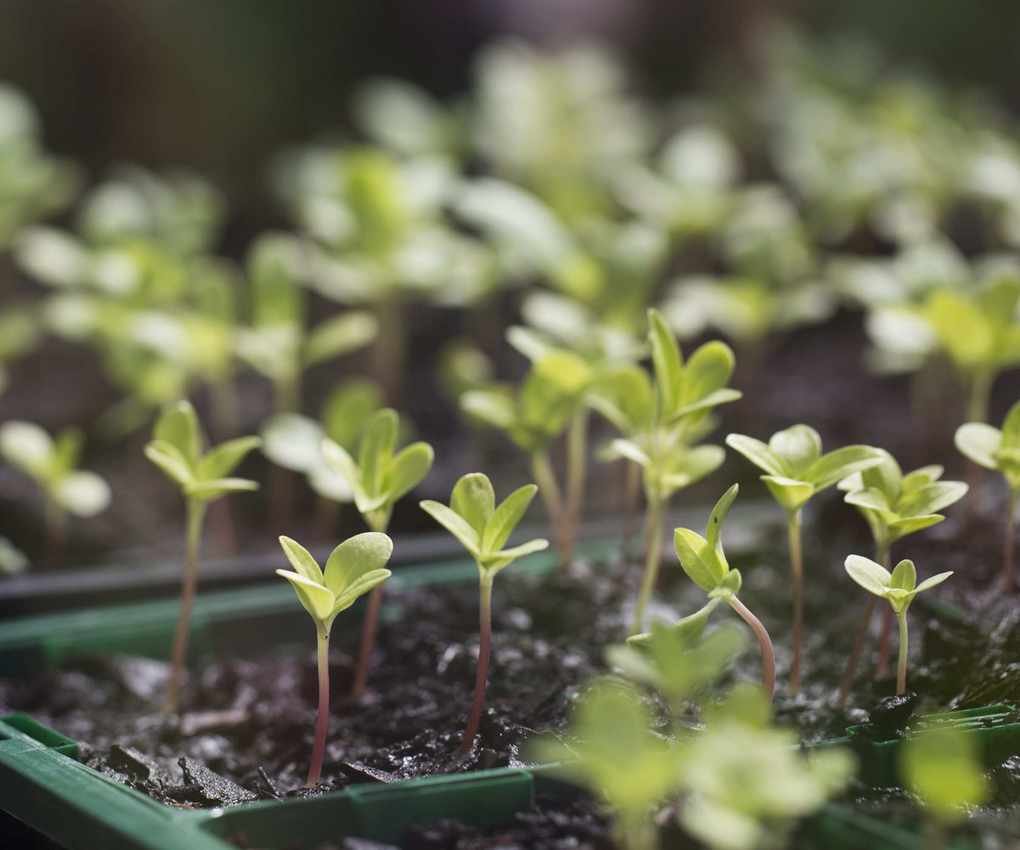
Once your seeds sprout, they require light for vigorous growth in addition to warmth. Achieving the right light levels is crucial for early-season sowings; insufficient light can lead to weak, leggy seedlings as they stretch towards any available sunlight.
Given that natural sunlight is less abundant and weaker during the early months, grow lights can augment these levels, ensuring seedlings grow strong and healthy. Any sowings before March particularly benefit from additional light, especially if they are on windowsills, where natural light levels begin to rise significantly.
LED grow lights are both energy-efficient and reasonably priced. Lights with a blue spectrum are beneficial for seedlings, but utilizing full-spectrum lights that replicate natural sunlight is often advantageous, as they emit different wavelengths that promote healthy growth. For instance, this full-spectrum grow light with a timer on Amazon can be an excellent choice.
Use these grow lights for 12-16 hours daily, positioning them 6-12 inches above the seedlings, and adjust their height as the seedlings grow. Consistency is vital; failing to maintain a proper lighting cycle can hinder seedling development.
Some grow lights come with built-in timers, but if not, consider obtaining a programmable timer, such as this digital timer, also available on Amazon.
4. Ensure Proper Air Circulation for Seedlings
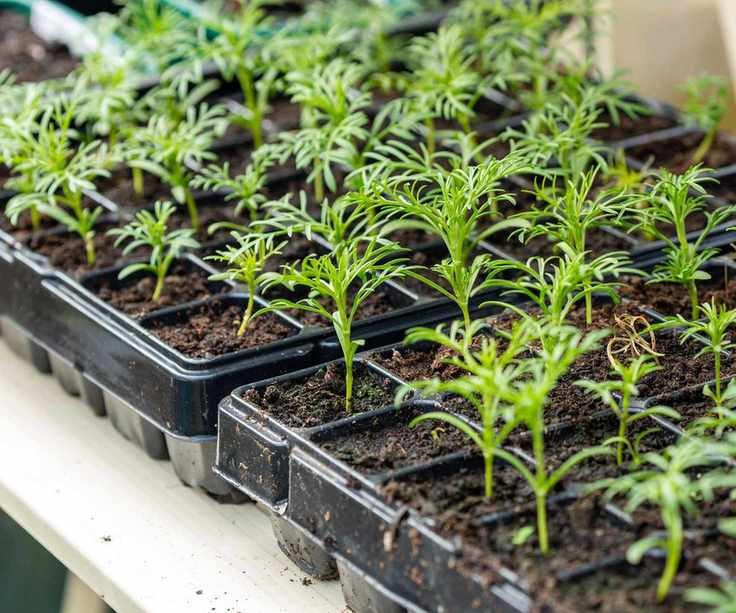
While warmth and light are often the primary considerations for successful early-season sowings, do not underestimate the importance of air circulation.
The early stages of a plant's growth are fraught with potential challenges, including damping off, which can be fatal for your seedlings.
Damping off is a common issue that affects seedlings, leading to their collapse and death. This condition causes seedlings to rot at the soil line before they fall over. Multiple factors contribute to damping off, such as overwatering, but poor airflow and high humidity are significant culprits.
If you notice mold on your seedlings (either green or white) along with toppled plants due to damping off, promptly remove any affected seedlings to prevent further spread.
Good air circulation diminishes humidity levels and fortifies your seedlings. It's advisable to remove humidity domes (you can find humidity domes at True Leaf Market for seed trays) for extended periods. Additionally, open doors or vents on sunny days to facilitate airflow within a greenhouse or cold frame.
Small fans can also be utilized, such as this greenhouse fan with adjustable speeds from Amazon, which can enhance air circulation and support the health of your seedlings.
5. Watering Needs to Be Balanced

Watering seedlings requires a delicate balance; too much or too little can be detrimental. In early spring, the likelihood of seedlings rotting due to overwatering increases, as cooler temperatures slow soil drying. However, there are effective methods to avoid overwatering and prevent issues like damping off.
I prefer to water from the bottom instead of the top when managing seeds. This method serves two purposes: it prevents seeds from being dislodged by overhead watering and ensures that the soil absorbs moisture without becoming oversaturated.
To water plants from below, place seed trays or pots in a larger tray filled with water, like these shallow plastic trays from Amazon, allowing them to soak for at least 10 minutes.
To determine how often to water seedlings, a simple trick is to lift the trays. If they feel heavy, they have sufficient moisture. If they feel light, they need more water and should be placed in a tray to rehydrate.
Avoid letting trays of seedlings dry out completely, as this can lead to collapse, and recovery is not guaranteed through watering.
It's also advisable to avoid using cold water for seedlings, as it may shock them. During the early season, keep a watering can filled with room-temperature water in the greenhouse to prevent stressing your seedlings.
Using the right soil is another critical factor for successful seed sowing. The ideal soil for starting seeds is a potting mix specifically formulated for seeds and cuttings.
A product like this Burpee seed starting mix made from coconut coir is designed for the specific needs of seeds, featuring a finer texture, lower nutrient content, and efficient water retention.
It's essential to avoid using garden soil, as it retains too much moisture, increasing the risk of rotting for seeds and seedlings.


