
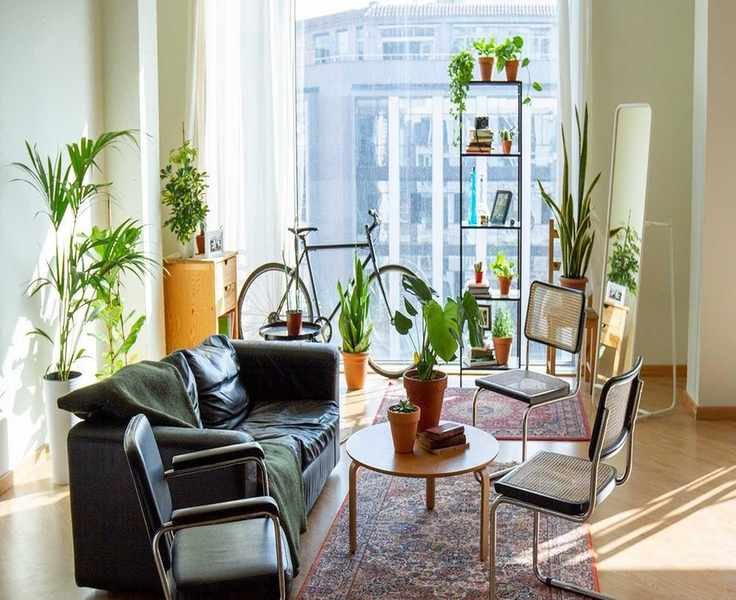
Living in apartments for most of my life, my journey into houseplants began gradually. It wasn't until I truly engaged with them that I experienced the joy of indoor gardening.
Now, I've lost track of how many plants and herbs I tend to. Each morning, I spend a few moments checking soil moisture and looking for pests or new growth. This calming routine sets a positive tone for my day.
I've certainly faced challenges too. From limp peace lilies to spider plants with brown edges, I've learned valuable lessons through my successes and failures.
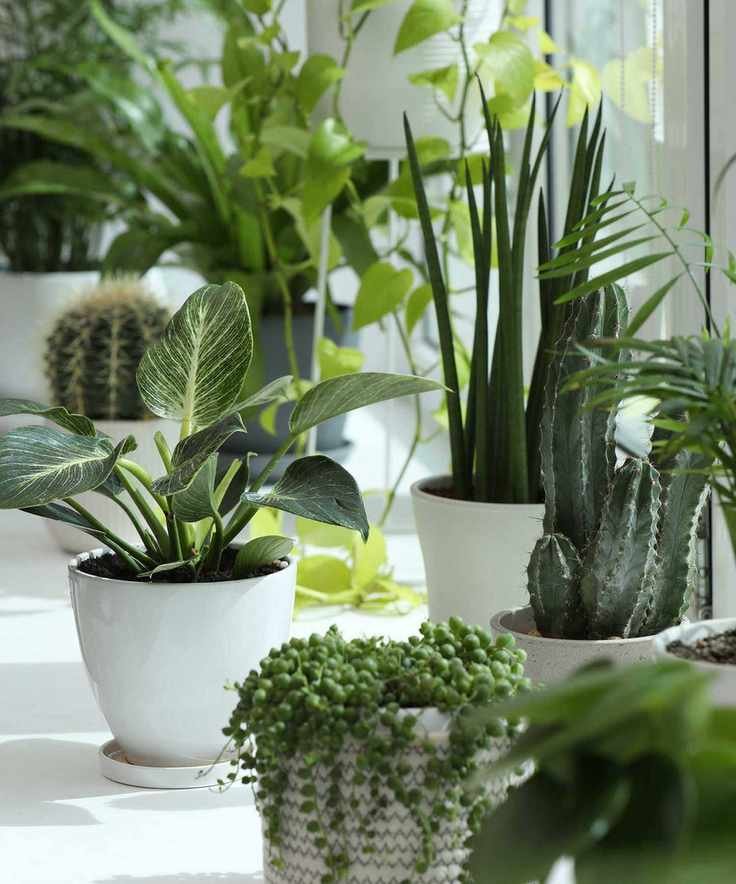
Many stunning houseplants can enhance your living space
Top Tips for Indoor Gardening
Here are my top recommendations for cultivating a vibrant indoor garden.
1. Proper Watering is Crucial
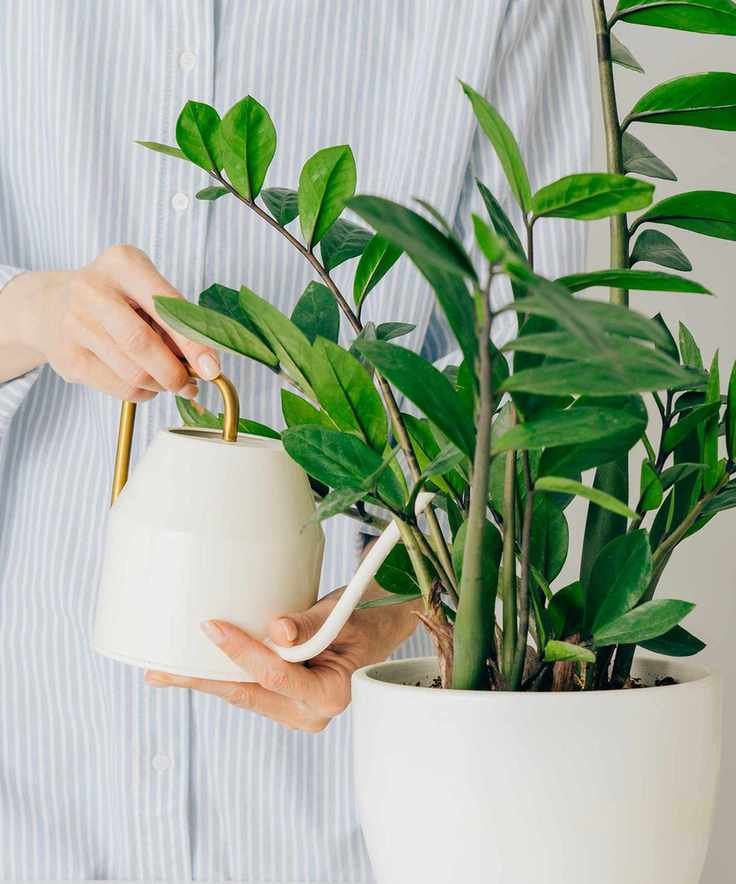
Finding the right watering balance is vital
As an expert advises, "It's better to underwater and observe how the plant reacts than to overwater it." I once nearly lost a peace lily to root rot by watering it too frequently without checking the soil first. After some time in a fresh pot with new soil, it's back to thriving.
Good drainage is essential. It's recommended that pots have at least three drainage holes at the bottom, with larger pots needing more. I often water my plants in the sink, allowing excess water to escape through the holes before placing them back in their saucers.
Consider using watering globes available on Amazon for consistent hydration while you're away.
2. Repotting is Important
Upgrading pots can greatly benefit your plants
It took me time to appreciate the significance of repotting. When done at the right time—typically in spring—the transformation can be remarkable.
Plants that are struggling often have tightly bound, dry roots. Loosening them up and transferring to nutrient-rich soil can rejuvenate their growth.
3. Bright Light is Essential

Most houseplants thrive in bright light
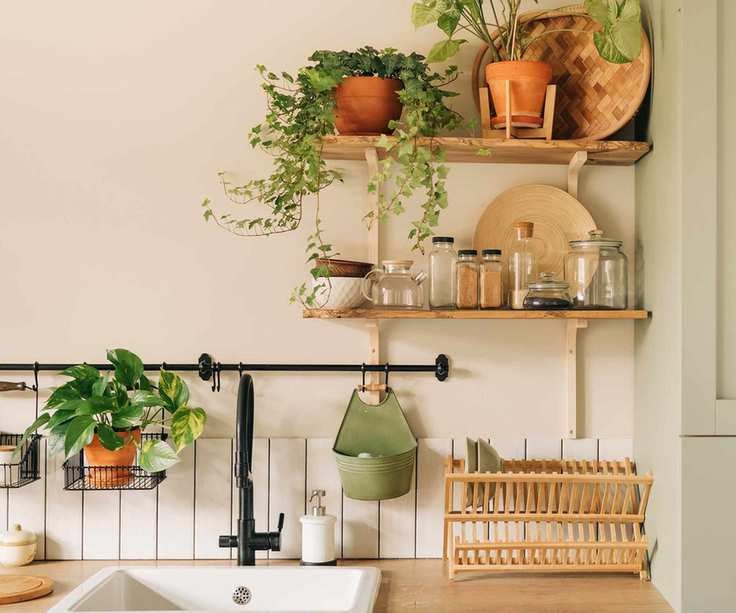
Indoor plants provide a chance for creativity. Use shelves, hanging planters, or living walls to beautify your space and enhance light exposure for your plants.
While some can cope with lower light, my healthiest plants are in bright areas. I have a ladder shelf by a window that's perfect for them. If one is struggling, I give it a temporary spot there.
Signs like stunted growth, long stems, and soggy soil indicate your plant may need more sunlight.
Can You Grow Edible Plants Indoors?
I grow herbs at home, though they often don't survive long due to frequent harvesting. For a successful crop, select a sizable pot for substantial plants.
Store-bought herbs can be salvaged, but nursery plants are usually more reliable since they're grown in optimal conditions. If you have space, consider growing chilies, tomatoes, or microgreens. Just remember that hand pollination may be necessary.
Most edible plants and herbs thrive in good sunlight, ideally six to eight hours daily. If your apartment is dim, investing in grow lights could be beneficial.
Popular LED grow lights from Amazon can be used on various surfaces.
Is Plant Propagation Worth It?
I've propagated several houseplants and would recommend it—it's easy, and you gain new plants for free! My best results came from dividing snake plants and spider plants, and taking cuttings from pothos.
What's the Easiest Houseplant to Care For?
My easiest houseplants are pothos. I have six of them, and they're low-maintenance and quick to grow, needing just a drink when they look droopy.
Apartment gardening has its limitations. While I cherish my tropical plants, they don't satisfy the desire for larger crops or overflowing flower beds. I've recently signed up for an allotment, which is an exciting community gardening option.
If you're eager to expand your gardening, check your local area for opportunities. You might soon be sowing seeds indoors for your plot. Currently, I'm watching sweet peas and cosmos sprout.



