
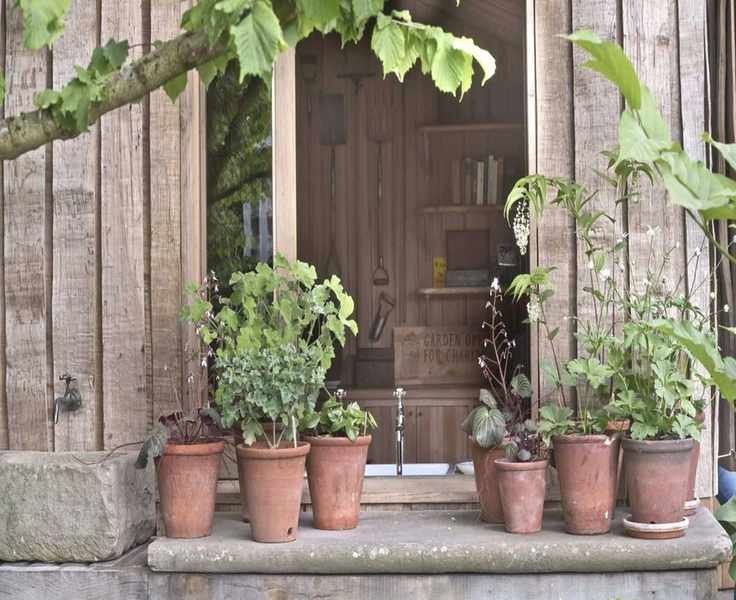
With summer on the horizon, it's important to assess whether your container soil can support another growing season. Container plants often exhaust the nutrients in the soil, making it crucial to refresh it regularly.
For those in urban settings or lacking garden space, container gardening offers a practical solution. Whether on balconies or patios, containers provide a flexible way to cultivate plants.
Having managed various gardens, I understand the best methods for rejuvenating container soil to promote healthy plant development while saving time and resources.
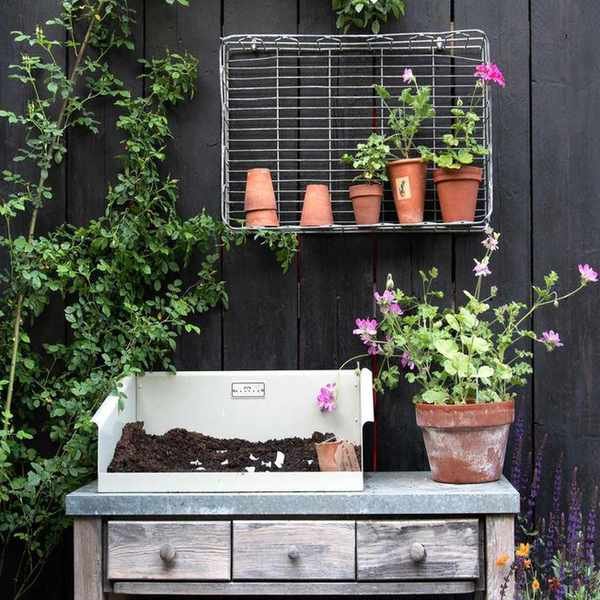
Importance of Refreshing Container Soil
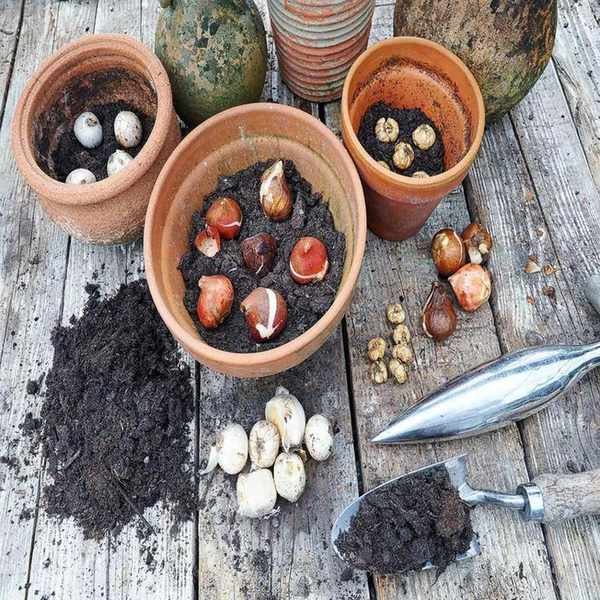
As spring arrives, many gardeners ponder if replacing all the compost is necessary, which can be an expensive and labor-intensive task, especially with numerous pots.
Unlike in-ground plants, container-grown plants have limited soil and available nutrients to fuel their growth. Often, these nutrients can be depleted quickly, so replenishing them is vital for maintaining plant health.
Certain plants, like roses and tomatoes, are particularly nutrient-hungry and will deplete soil fertility much faster than slower-growing varieties, which might only need replenishing every couple of years.
Step 1: Top-Dress Containers
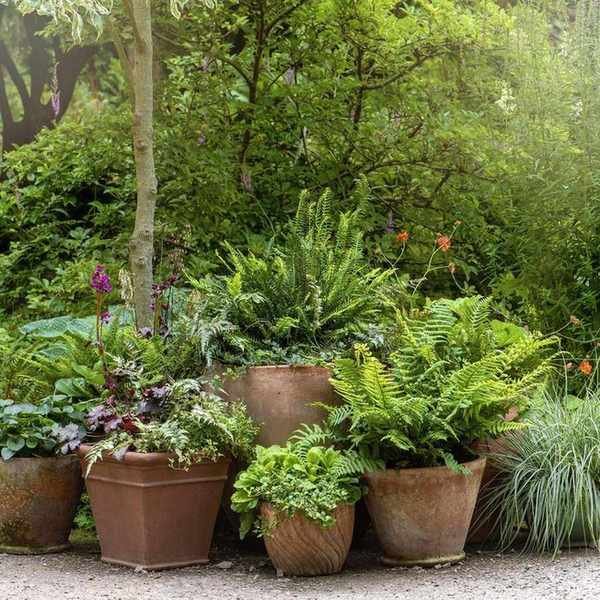
Plants typically require repotting every 3 to 5 years, depending on their growth rate. In the interim, refreshing the top layer of soil can provide essential nutrients. Start by removing the top few inches of soil from your container. This can be substituted with a fresh potting mix, like Miracle-Gro potting mix from Walmart, or you can reuse the old soil after enhancing it.
If reusing, make sure to eliminate any roots and incorporate an equal amount of nutrient-dense organic matter, such as garden compost or well-rotted manure, and mix thoroughly.
While leaf mold can be added, it's lower in nutrients. This refreshed mix can then be used to refill the container, giving your plants a much-needed nutrient boost.
Step 2: Supplement Nutrients

Essential nutrients for plant growth include nitrogen (N), phosphorus (P), and potassium (K), which are vital for leaf, root, and flower development.
You can introduce these nutrients through top dressing or by repotting with fresh compost. For less-demanding plants, consider adding a slow-release fertilizer or a homemade alternative.
Both organic and inorganic fertilizers are effective, but ensure you're supplying the right nutrients for your specific plants.
For instance, chicken manure pellets like Espoma organic chicken manure from Amazon are high in nitrogen for leafy growth, while Muriate of Potash from Amazon provides potassium to enhance flowering and fruiting.
For particularly hungry plants, it's best to refresh the topsoil and incorporate a slow-release fertilizer for sustained nourishment.
However, for some plants, these methods might not suffice, and additional fertilization with a water-soluble feed during the summer may be necessary to support continuous growth.
Using Old Container Soil
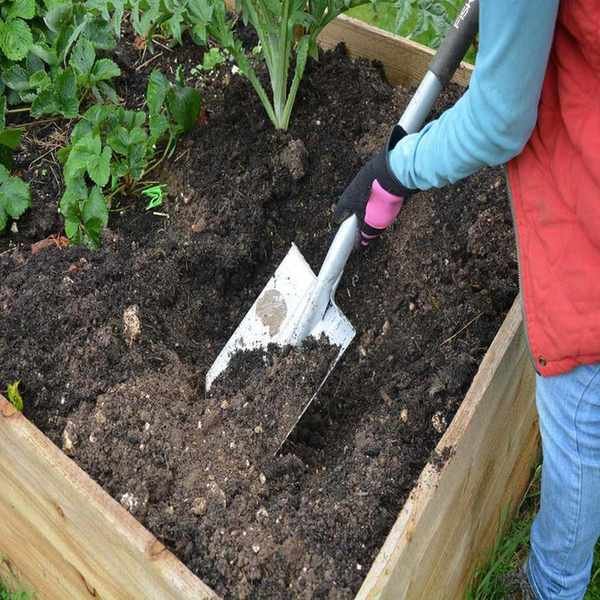
If you have several containers, the leftover spent soil can accumulate significantly. To minimize waste and promote sustainability, consider reusing it instead of discarding it.
This soil can be utilized to mulch around borders, refill raised beds, or enrich your compost pile.
You can also add excess soil from old containers to your compost bin. Although it may be depleted, it still contains microorganisms that can aid in breaking down food and garden waste.
To prevent disrupting your compost balance, add the spent soil in layers gradually. If you lack a home composting system, consider starting one with a DIY system or opt for a product like Efurden 45-gallon compost tumbler from Walmart.
Be cautious when reusing soil; only use it from healthy plants. Avoid reusing soil from waterlogged or diseased plants, as it may harm future growth.
Consistently growing the same plants in the same soil can lead to nutrient depletion and invite pests and diseases. To combat this, practice crop rotation and avoid planting the same species in the same location each year.
Soil health is paramount for thriving plants, influencing its structure, pH, beneficial organisms, and organic matter content. Healthy soil can significantly impact your garden's ecosystem and its ability to support wildlife.
Moreover, studies suggest that interacting with healthy soil can positively influence our mental health.
You can enhance your soil's health through various techniques, including avoiding compaction and implementing no-dig practices, but incorporating organic matter is often the most effective approach.



