
Instead of cluttering your cabinets with numerous cleaning products, consider just two: baking soda and vinegar.
This powerful, non-toxic cleaning pair is a favorite among cleaning enthusiasts, including myself, for deodorizing, cutting grease, and detoxifying surfaces.
Here are six key methods I use baking soda and vinegar throughout my home, along with expert cleaning tips that maximize their effectiveness.
Cleaning with Baking Soda and Vinegar
Using vinegar and baking soda has become essential for me as I work to create a non-toxic environment. These two can effectively tackle various tasks that would usually require harsh chemicals, lowering my exposure to toxins and helping maintain a healthy household with eco-friendly cleaning.
1. Scrubbing Surfaces
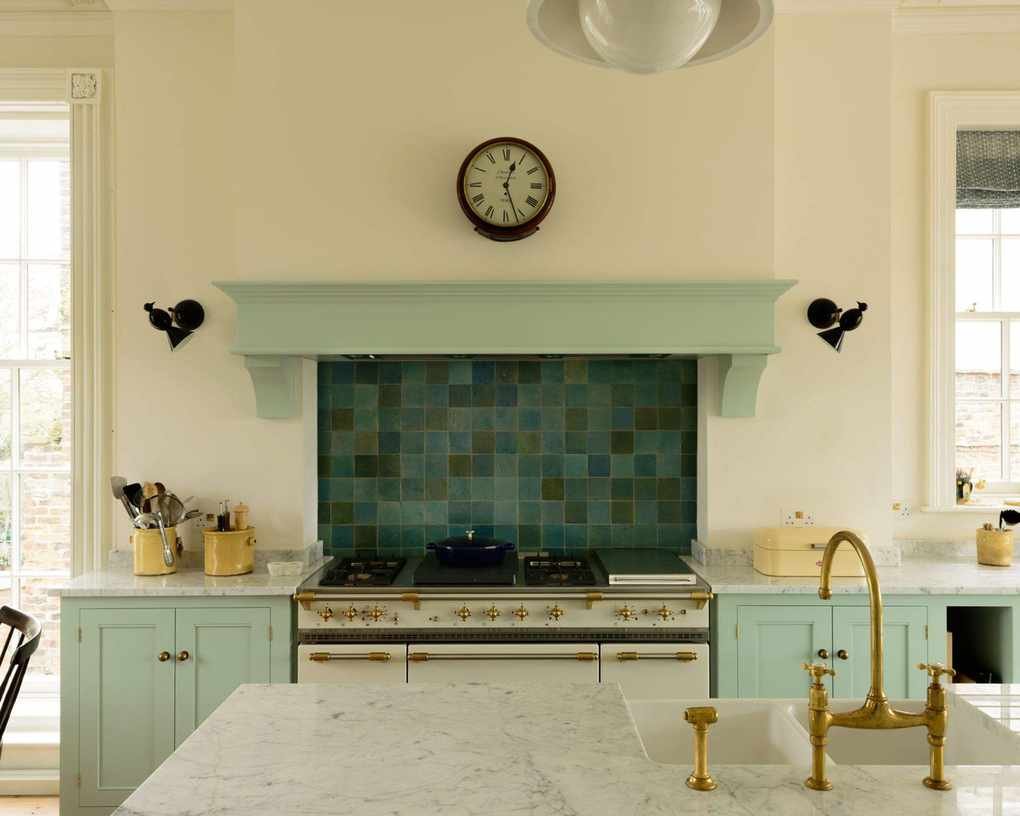
Baking soda and vinegar are staples in my kitchen cleaning arsenal.
Cleaning can be labor-intensive, so I always seek ways to simplify it. With vinegar and baking soda, I enhance various tasks, from cleaning stainless steel pans to scrubbing grout, easing the strain on my arms.
For grout, combine baking soda from Target with water to create a thick paste. Apply this to the grout lines, then spritz with white vinegar from Walmart and let the fizzing work its magic. Finish by using a fine detail brush, like the Clorox 5-in-1 detail brush from Target, to scrub out stubborn spots before wiping with a damp cloth.
For pots and pans with burnt food, sprinkle baking soda on the area, douse it with white vinegar, and let it fizz. This loosens the food for easier scrubbing. If needed, add boiling water to help dissolve stubborn residue.
2. Deodorizing

This duo quickly refreshes my fridge, essential for any home cook.
Baking soda and vinegar are excellent natural deodorizers, especially in enclosed areas like cabinets and drawers or for eliminating fridge odors. Just place an open container of either in the offending area for a day or two to absorb unwanted smells.
As a combination, they also excel at removing smells from upholstery. For bedrooms, sprinkle baking soda on your mattress while washing the duvet, allowing it to sit for at least an hour to absorb odors. Vacuum it up afterward, and for stains, use white vinegar on a soft cloth, like the Seep bamboo multipurpose cloth.
Utilizing a powdered sugar shaker from Walmart can help evenly distribute the baking soda without clumps.
3. Refreshing Drains

Prevention is key, and this combo offers a perfect chemical-free solution.
If you're looking to eliminate unpleasant bathroom odors or clean kitchen sink drains, this duo is your answer.
While this method may not be as potent as commercial unblockers like Lysol Power Clinging Gel from Target for severe clogs, it serves as an excellent preventative measure against buildup and odors.
Start by flushing drains with two cups of boiling water, then add a cup of baking soda, followed by a cup of vinegar. Cover the drain with a damp cloth to keep the reaction focused in the pipes.
4. Cleaning Washing Machines

Baking soda and vinegar can also refresh clothes dryers.
Regularly cleaning washing machines is essential to prevent odors, mold, and dirty laundry. To avoid harsh chemicals that can damage your appliance, I recommend baking soda and vinegar for a thorough refresh.
To tackle odors, add one cup of baking soda directly to the drum and one cup of white vinegar in the detergent drawer, then run a hot cycle without laundry. This sanitizes and disinfects the washer.
After the cycle, remove the detergent drawer and clean it with vinegar to eliminate mold and buildup, using a microfiber cloth from Walmart dampened with vinegar.
You can also use white vinegar as a fabric softener alternative to prevent product buildup, as noted by Ron Shimek, president of Mr. Appliance. To prevent mold on rubber seals, leave the door open after each use.
5. Tackling Limescale

Limescale can be easily removed from surfaces using white vinegar.
Whether you're removing limescale from shower glass or cleaning faucet heads, this duo excels.
While I often clean shower glass with The Pink Stuff, baking soda and vinegar make an effective substitute when supplies run low. A paste of baking soda and a bit of vinegar applied with a gentle abrasive sponge, like The Scrub Daddy Sponge from Target, tackles watermarks well.
For faucet heads or showerheads, use a no-scrub method by submerging them in a bag filled with fizzing baking soda and vinegar. For tougher deposits, tape the bag over the fixture overnight.
6. Breaking Down Grease

Baking soda and vinegar create a great scrubbing paste for ovens and racks.
Cleaning kitchen grease can be a challenge, but you don't need harsh chemicals for effective cleaning. While I often use a steam cleaner for deep cleaning, for tough, baked-on messes, I prefer The Pink Stuff Paste from Walmart or its baking soda-vinegar substitute.
Laura Harnett advises creating a DIY cleaning solution by mixing baking soda with water into a paste for overnight application on the oven. This method breaks down grease effectively, making scrubbing easier.
Similar to cleaning pans, spritz the area with vinegar before scrubbing to enhance the cleaning process.
General Cleaning Tips with Baking Soda and Vinegar
- Test on a small area first: While safer than many chemicals, vinegar's acidity can damage delicate surfaces like wood and natural stone. Always test it on a hidden area first.
- Scrubbing is essential: Baking soda and vinegar disinfect, deodorize, and degrease, but they require some elbow grease. Despite the effort, it's worth it to protect your health.
- Rinse thoroughly afterward: The smell of vinegar can linger, so rinse the cleaned area with water or use a DIY room spray to freshen up the scent.
What to Shop For
 XL container
I keep a large container of white vinegar at home that lasts over a year. I usually transfer it into a smaller spray bottle for easy use in cleaning and mold removal.
 Versatile
Baking soda acts as a natural abrasive, breaking down tough deposits without damaging delicate surfaces. Mix it with water for a paste or use with vinegar for a fizzy clean. It's safe for most home areas.
 Adjustable abrasive
The Scrub Daddy sponge adjusts its abrasiveness based on water temperature, allowing you to tailor the scrubbing power needed for different tasks.
FAQs
What ratio of baking soda to vinegar should I use for cleaning?
The ratio of baking soda to vinegar varies by task. For scrubbing, use more baking soda for a thick paste. For soaking or pouring tasks, use more vinegar for a liquid solution.
While this dynamic duo can seem like a miracle cleaning solution, it's also important to learn about areas to avoid using baking soda and vinegar to prevent damage and ensure effective results.