
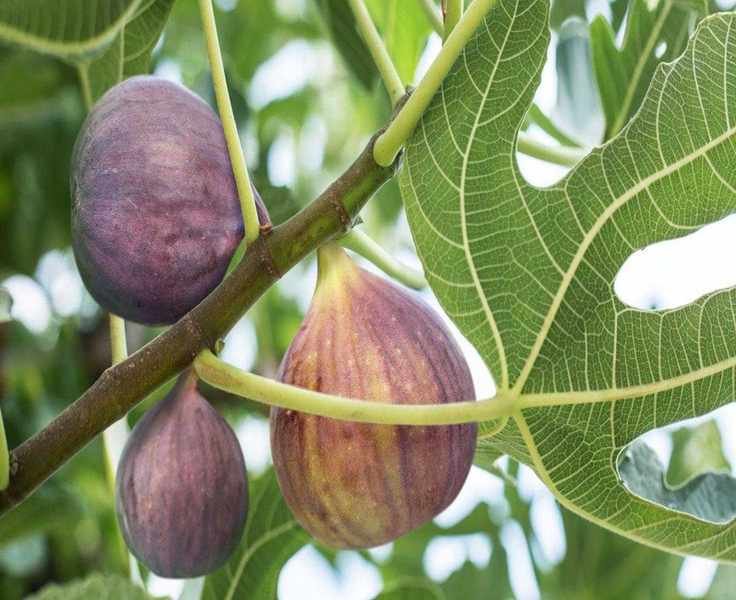
April presents a unique opportunity for fig tree care, and the maintenance tasks vary by region. Regardless of your climate, there are essential activities that all gardeners should consider to foster a vibrant harvest this year.
A healthy fig tree is relatively easy to care for, but this time of year is crucial for ensuring they thrive in the upcoming season. If you haven't yet pruned and fertilized your trees, April is an ideal time to encourage robust growth that supports fruitful yields.
Whether your fig trees are planted in the ground or in pots, they will likely require watering during dry spells and some protection from pests and harsh weather to maintain their health. A few straightforward measures this month can significantly enhance your trees' prospects for the summer, so give your figs some extra attention to ensure both beauty and a bountiful crop.
1. Prune Your Fig Trees
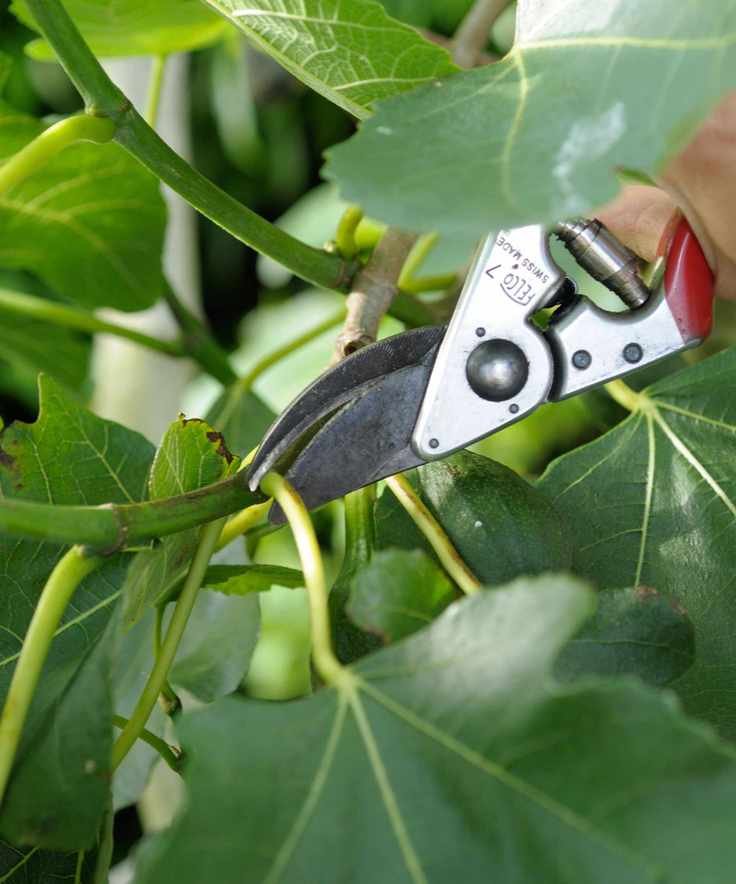
The time to prune fig trees is still upon us, but not every gardener needs to grab their shears this month. As mentioned, it largely depends on local climate conditions.
Gardens in warmer areas may have already pruned their trees earlier in the year, while those in cooler regions may find this is the perfect moment to do so. The best time to prune is after the last frost and just before the tree begins to bud for the season.
April can be the right window for many, so get your pruning tools ready if this applies to you. Don't delay too long, as pruning too late—after the tree has started to grow—can lead to excessive sap loss. This weakens the tree's defenses against pests and diseases.
Always use clean, sharp tools and wear gloves since sap can irritate your skin. Pruning from the top down prevents sap from dripping.
When pruning your fig tree, focus on removing dead, damaged, and diseased wood while lightly shaping the tree.
Target the 3 D's and also cut back any inward-growing branches or weak shoots. Trimming back to a bud or branch encourages new fruit-bearing growth, but remember to be gentle. Avoid removing more than a third of the tree's growth to prevent stress and irregular regrowth.
2. Fertilize Your Trees

As with pruning, some growers may have already fertilized their trees when buds began to emerge earlier this spring. However, for many, April serves as the perfect time to nourish the trees with nutrients that support healthy growth and fruit production.
A helpful rule is to fertilize as soon as you see new growth.
Fig trees do not typically require rich soil, but applying fertilizer once a year in spring can supply necessary nutrients for fruit development. This is particularly important for trees planted in the ground. For those in pots, a more frequent feeding schedule will be beneficial.
Look for a balanced, slow-release fertilizer to enhance soil nutrients steadily. A great option is this 10-10-10 all-purpose fertilizer available on Amazon.
After applying fertilizer in spring, it's advisable to add mulch with a 2-3 inch layer of compost or well-rotted manure like this composted cow manure, also from Amazon.
3. Water During Dry Spells

Fig trees thrive in dry, sunny environments. They are drought-tolerant and have deep roots that can access water and nutrients from the soil. However, they still require deep watering during prolonged dry spells, especially if they're in pots.
Newly planted fig trees, as well as those in containers, will need attentive watering in April. Monitor these closely to prevent the soil from drying out completely. Feel the moisture a few inches below the surface with your fingers; if it's dry, it's time to water.
Alternatively, a soil moisture meter can help determine when to water. You can find a long probe at Amazon.
Make sure to water thoroughly, but avoid waterlogging, especially in containers. Fig trees in overly saturated soil for extended periods may develop yellowing leaves, drop foliage, or face root rot.
4. Shield Against Late Frosts
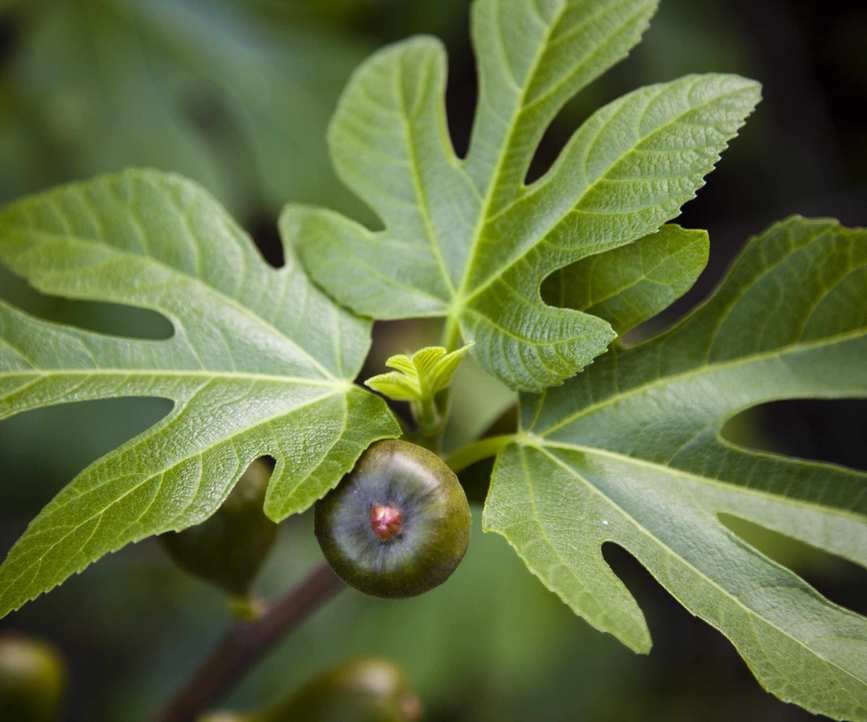
In cooler climates, fig trees may require protection from late frosts in spring. Stay updated with local weather forecasts and be ready to take action if temperatures are predicted to dip below 32°F at night. Severe frosts can damage new growth and buds, jeopardizing your potential harvest.
Some fig varieties are more resilient than others, so it's wise to know your tree type and its frost tolerance. The 'Chicago Hardy' fig is a well-known cold-tolerant variety suitable for cooler regions, and you can find a live Chicago Hardy fig tree at Fast Growing Trees.
One method of protecting trees from frost is to cover them with frost cloth, burlap, or old sheets. Place the covers before freezing temperatures and remove them the next day to allow pollinators access to blooms.
For container-grown figs, relocate them indoors or to a sheltered area and wrap them for the night. Covering the container will help insulate the roots against frost, such as using these winter pot covers available on Amazon.
5. Address Pests or Damage

Even with prior winterizing and protection from harsh weather, your trees may still face damage. Spring can bring unpredictable weather, including storms.
Inspect your trees for any signs of damage, especially after storms, and promptly remove any broken branches with clean, sharp tools.
Pests may also be present early in April. New growth on fig trees attracts pests, so keeping a vigilant eye can help catch issues early.
Aphids and scale insects are common pests, often found on new shoots and leaves. They are sap-sucking insects that can be identified by the honeydew they leave behind.
Dislodge them with a strong blast of water, scrape them off, or, if necessary, use insecticidal soap spray from Walmart.
Fig tree borer can cause significant damage, feeding on various parts of the tree. Although it typically strikes in summer, be alert for symptoms in spring, such as stunted growth or wilting stems.
The best defense against fig tree borer is to keep your tree healthy, as these pests are drawn to stressed plants and damaged wood.
Shopping Essentials
Sharp pruning shears are necessary for maintaining fig trees. These Fiskars shears feature a precision-ground steel blade that can effortlessly cut branches up to 5/8 inch in diameter.
Always wear gloves when working with fig trees to protect your hands from sap. Microfiber leather gloves offer excellent protection against cuts, scratches, and sap irritation.
This liquid fig tree fertilizer promotes healthy growth and is perfect for regular feeding of container-grown fig trees throughout the growing season.
As summer approaches, consider ways to protect your figs from birds and squirrels eager to snatch them as they ripen. Covering developing figs in tinfoil can deter pests, but remember to poke holes in the foil for airflow to avoid moisture buildup.



