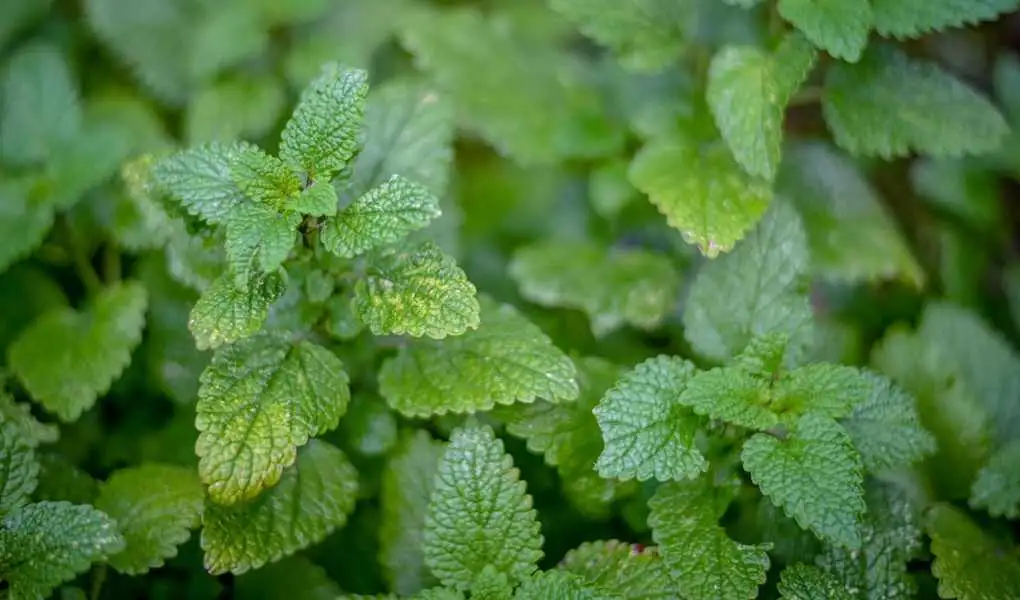
Lemon balm (Melissa officinalis), a perennial herb, has been a favorite for centuries. Its fragrant lemony leaves offer a versatile addition to cooking, baking, and herbal teas.
This Mediterranean native thrives worldwide, reaching about two feet tall, adorned with serrated aromatic leaves and small yellow or pink blooms that attract pollinators.
Lemon balm is easy to cultivate. Provide it with sunlight and well-draining soil, and it will flourish. If you’re keen on cultivating lemon balm, this guide will help you whether you’re planting in a garden or using containers.
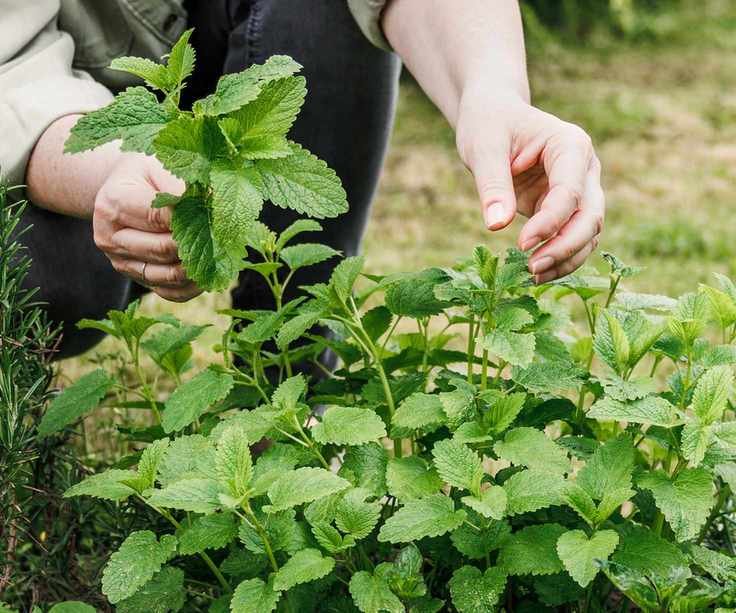
Lemon balm belongs to the mint family and grows vigorously
Why Lemon Balm is Essential for Your Herb Garden
Lemon balm is a fantastic aromatic herb that fits perfectly in any herb garden or herb planter. You can purchase young plants from nurseries or online during spring or summer, or easily grow it from seeds.
Starting Lemon Balm from Seed
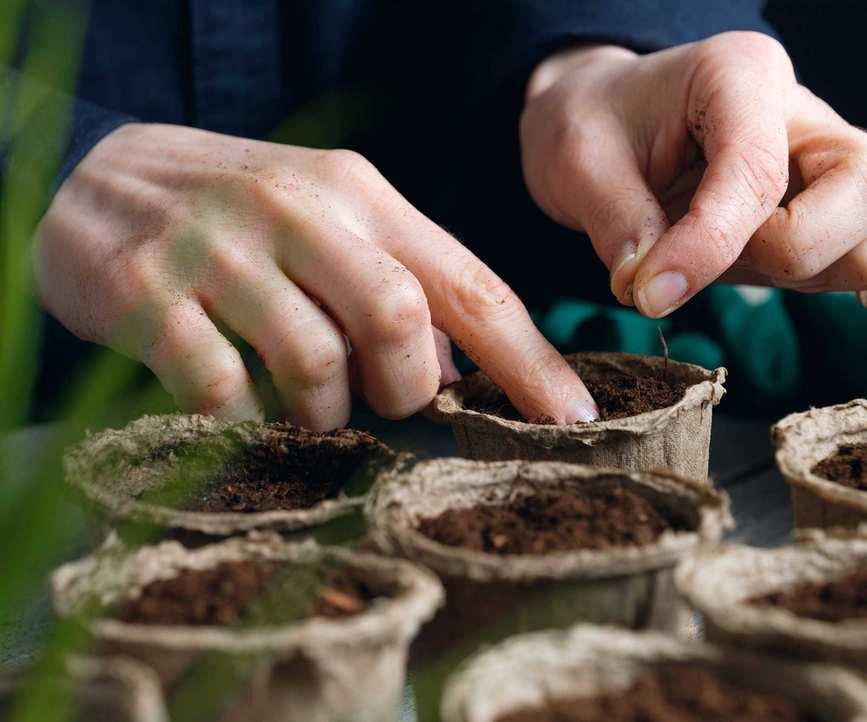
Sow lemon balm seeds indoors in spring for a head start
You can grow lemon balm from seeds in spring using two methods. One option is to sow directly outdoors about a quarter-inch deep in rows spaced 12 inches apart after the last frost. Keep the seeds moist and thin them to four inches apart as they sprout.
The other option is to start seeds indoors 4-6 weeks before the last frost to jumpstart growth. Around March, lightly scatter seeds in trays or pots, and cover them with vermiculite or compost, ensuring they receive light for germination. Seeds germinate best at temperatures of 65–70°F in a greenhouse or on a sunny windowsill.
Once seedlings reach a few inches in height, transplant them outdoors after hardening off and the final frost.
Where to Buy Lemon Balm Seeds and Plants
Lemon Balm Seeds
A pack of non-GMO Lemon Balm seeds that grow plants up to 24-36" tall.
Mandarina Lemon Balm
Seeds for the unique ‘Mandarina’ variety, which has a more orange than lemon flavor.
Lemon Balm 2-Pack
Two container-grown lemon balm plants ready to enhance your garden.
Ideal Growing Conditions for Lemon Balm
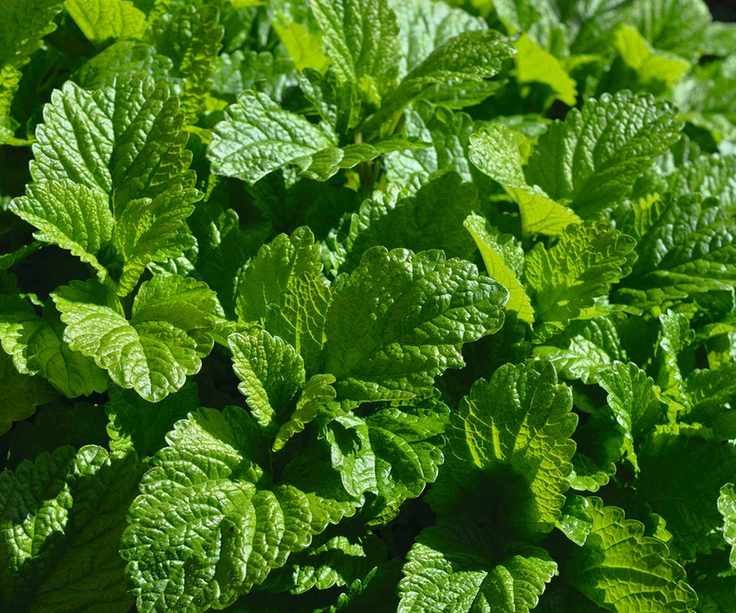
Lemon balm thrives in sunny environments
Choose a sunny spot for planting lemon balm, although it can tolerate partial shade in hot climates. Too much shade may lead to leggy growth.
This herb adapts to various soil types, but it excels in well-draining, fertile soil. Avoid soggy conditions that can lead to root rot.
Lemon balm is hardy, tolerating cold down to -20°F, and can survive outdoors in US hardiness zones 4-9. Expect plants to grow 2-3 feet tall, spacing them 18-24 inches apart.
Tips for Caring for Lemon Balm
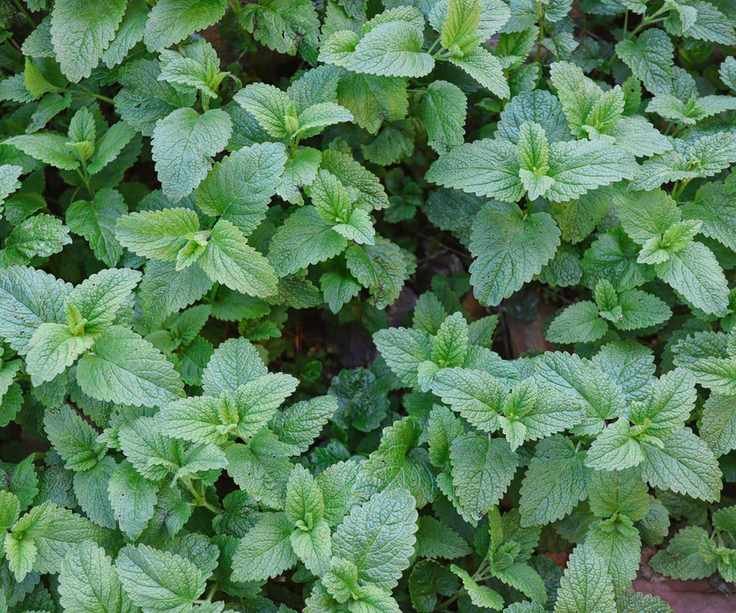
Lemon balm is a low-maintenance perennial herb
Initially, lemon balm requires regular watering; however, it becomes drought-tolerant once established. Even then, experts recommend watering during dry spells.
“Keep the soil evenly moist but not soggy,” advises a horticulture specialist. Water deeply and slowly to encourage root growth, providing about an inch of water weekly.
Lemon balm grows rapidly and may self-seed in your garden. To prevent unwanted spreading, deadhead after the first flowers bloom and prune regularly for fresh leaf growth.
Start pruning in early spring as new growth appears, and for young plants, prune when they reach 6-8 inches tall. Regularly cut back by about a third to maintain bushiness, especially after vigorous growth. At season's end, trim back to 4-6 inches.
Harvesting Your Lemon Balm
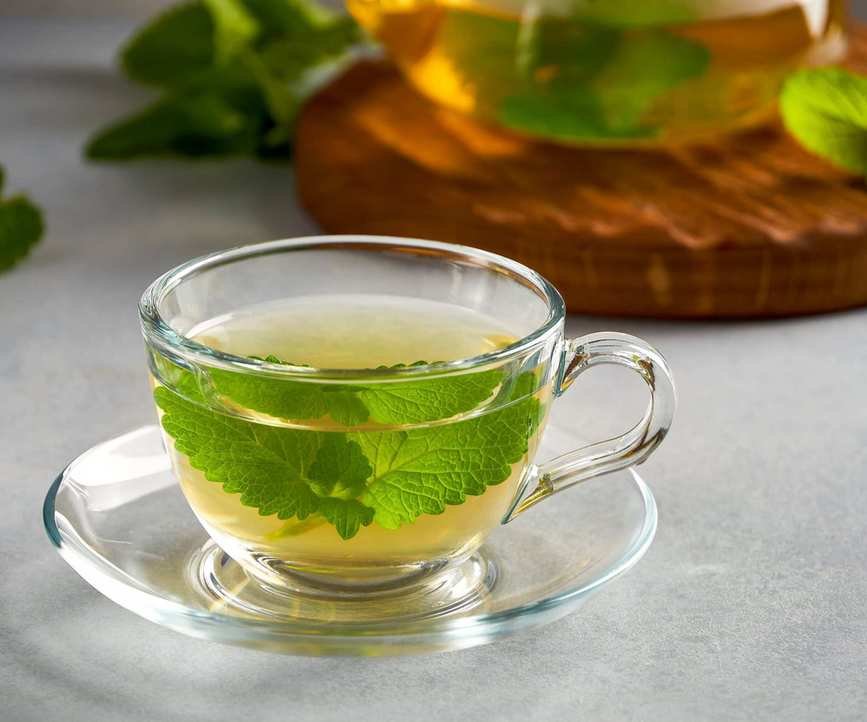
Harvesting lemon balm yields flavorful leaves for teas
Harvest fresh lemon balm leaves for various uses, including cooking and baking, or to craft delightful teas. Fresh leaves are preferred, though they can be dried, losing some aroma, and can be picked throughout the season.
Use sharp, clean pruning shears to cut stems instead of picking individual leaves, as they bruise easily. Start harvesting when plants are 6-8 inches tall, usually 6-8 weeks post-planting, ensuring ample foliage before collecting.
Harvest in the morning after dew has dried, capturing the essential oils at their peak. Avoid taking more than one-third of the plant at once.
Leaves may turn bitter once flowers appear, so regular harvesting keeps the plant bushy and deters flowering.
Growing Lemon Balm in Containers
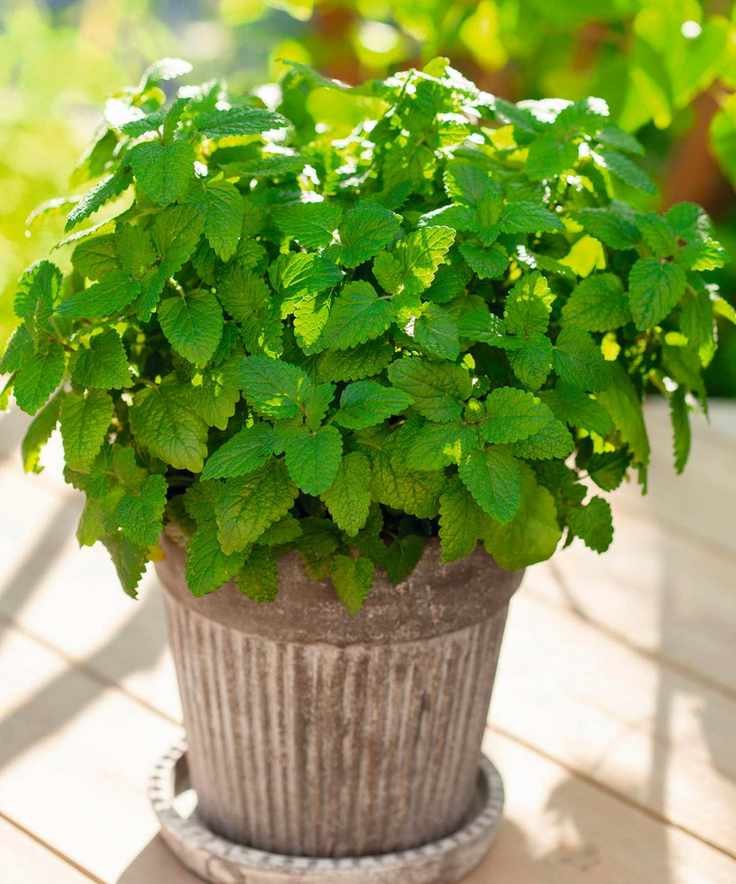
Container growing keeps lemon balm manageable
Growing lemon balm in containers is an effective way to control its growth.
Choose pots at least 10 inches deep and 12-18 inches wide with drainage holes. Fill with well-draining potting soil and place in a sunny location. Monitor watering closely, as container soil dries out quickly in hot weather.
FAQs
Does Lemon Balm Come Back Annually?
Lemon balm is a perennial that survives in US hardiness zones 4 and above. It can grow year-round in warmer areas but dies back in winter in colder regions, reviving in spring.
What is the Lifespan of Lemon Balm?
With proper care, lemon balm can thrive for years. However, clumps can become congested, so it’s wise to lift and divide plants every 3-5 years to rejuvenate. October or spring is ideal for division.
Can You Consume Lemon Balm Leaves Raw?
Yes, lemon balm leaves are safe raw and can enhance salads and fruit dishes. Fresh lemon balm is also renowned for its calming properties, aiding stress relief and promoting sleep.
Lemon balm is a top choice for anyone wanting to grow their own herbal tea, alongside chamomile, sage, and mint. Simply add fresh or dried leaves to boiling water for a soothing infusion.