
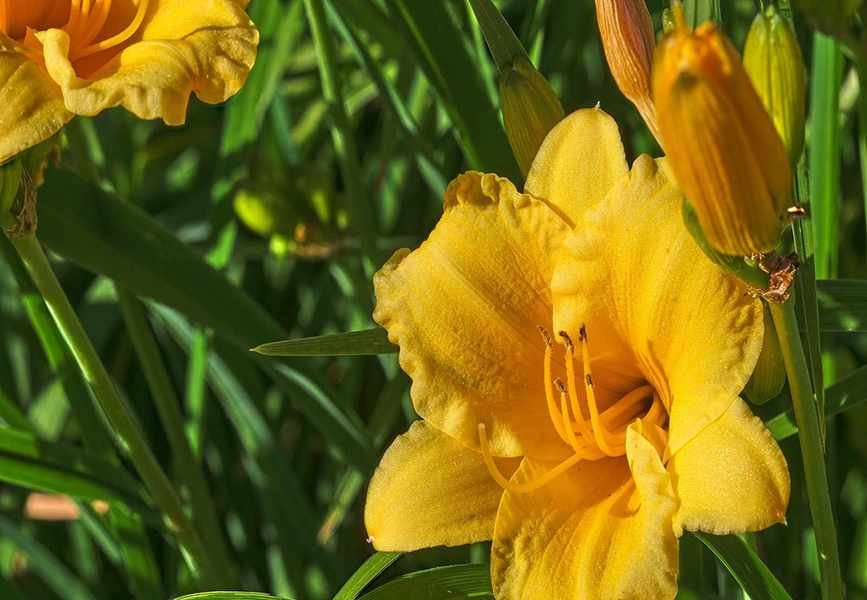
Stella d'Oro daylilies are a stunning addition to any garden, often favored by gardeners for their charm and resilience. Their compact size and minimal care requirements make them especially appealing, but the real highlight is their continuous display of golden flowers that start blooming in early summer.
These daylilies can grow to about two feet tall, making them ideal for container gardening, where they can brighten up patios and outdoor spaces. Their smaller height also allows them to shine at the front of flower beds, especially when paired with other vibrant colors for a striking visual effect.
While Stella d'Oro daylilies are generally low-maintenance, there are several key care tips to ensure their thriving growth. Below are some expert recommendations for cultivating these lovely perennials.
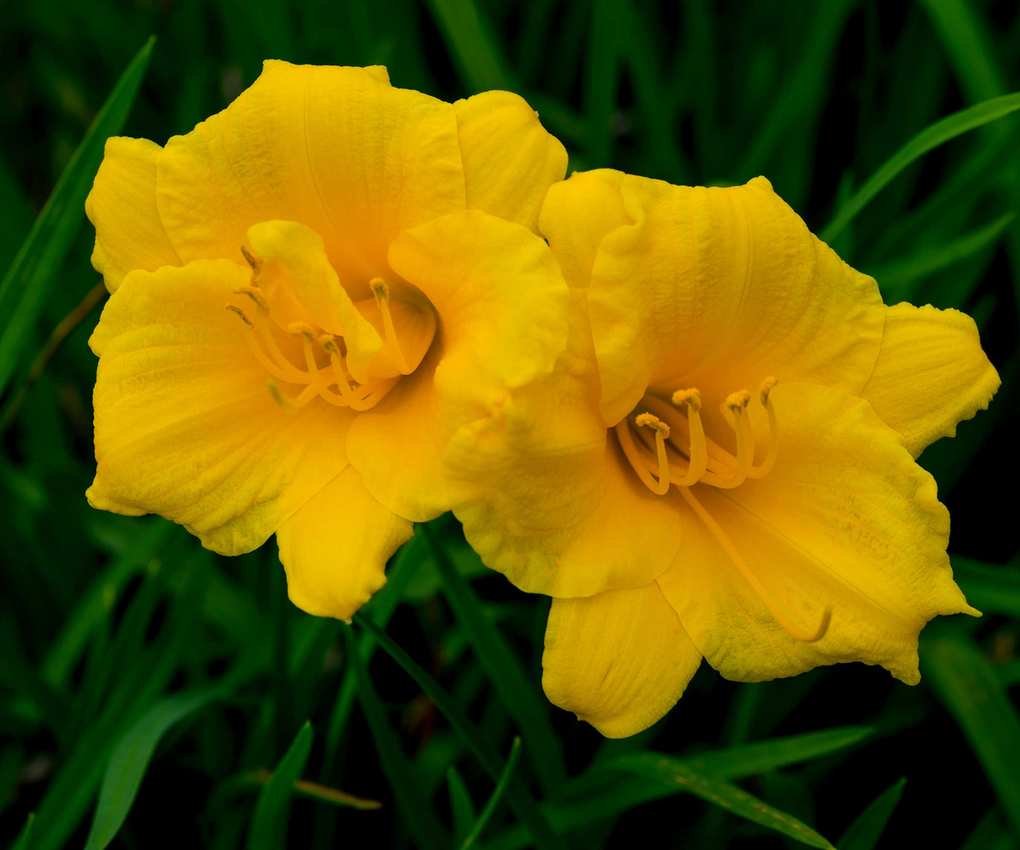
These daylilies will add a burst of color to your garden
How to Cultivate Stella d'Oro Daylilies
Best suited for hardiness zones 3 to 9, Stella d'Oro daylilies thrive with proper watering, suitable soil conditions, and timely pruning.
Characteristics of Stella d'Oro Daylilies
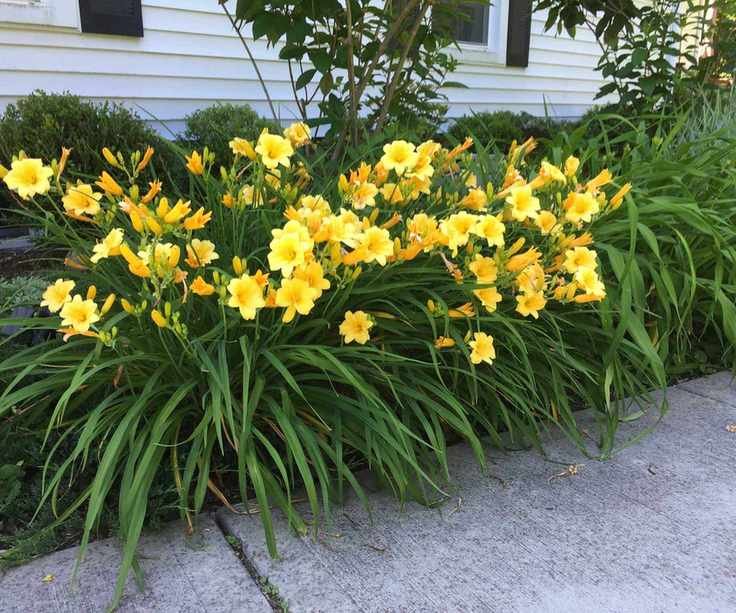
Consider planting these perennials along walkways
As deciduous perennials, Stella d'Oro daylilies feature long, slender leaves. You can divide these plants every few years to keep them healthy and expand your garden without additional cost.
Though they may resemble summer bulbs, Stella d'Oro belongs to the Hemerocallis genus instead of Lilium and has sturdy roots rather than bulbs.
Available as both potted plants and bare-root varieties, Stella d'Oro daylilies can be purchased from various nurseries. For example, you can find a set of three bare-root daylilies from Burpee or potted plants from Nature Hills. After planting, remember to water them thoroughly.
Essential Care Tips for Stella d'Oro Daylilies
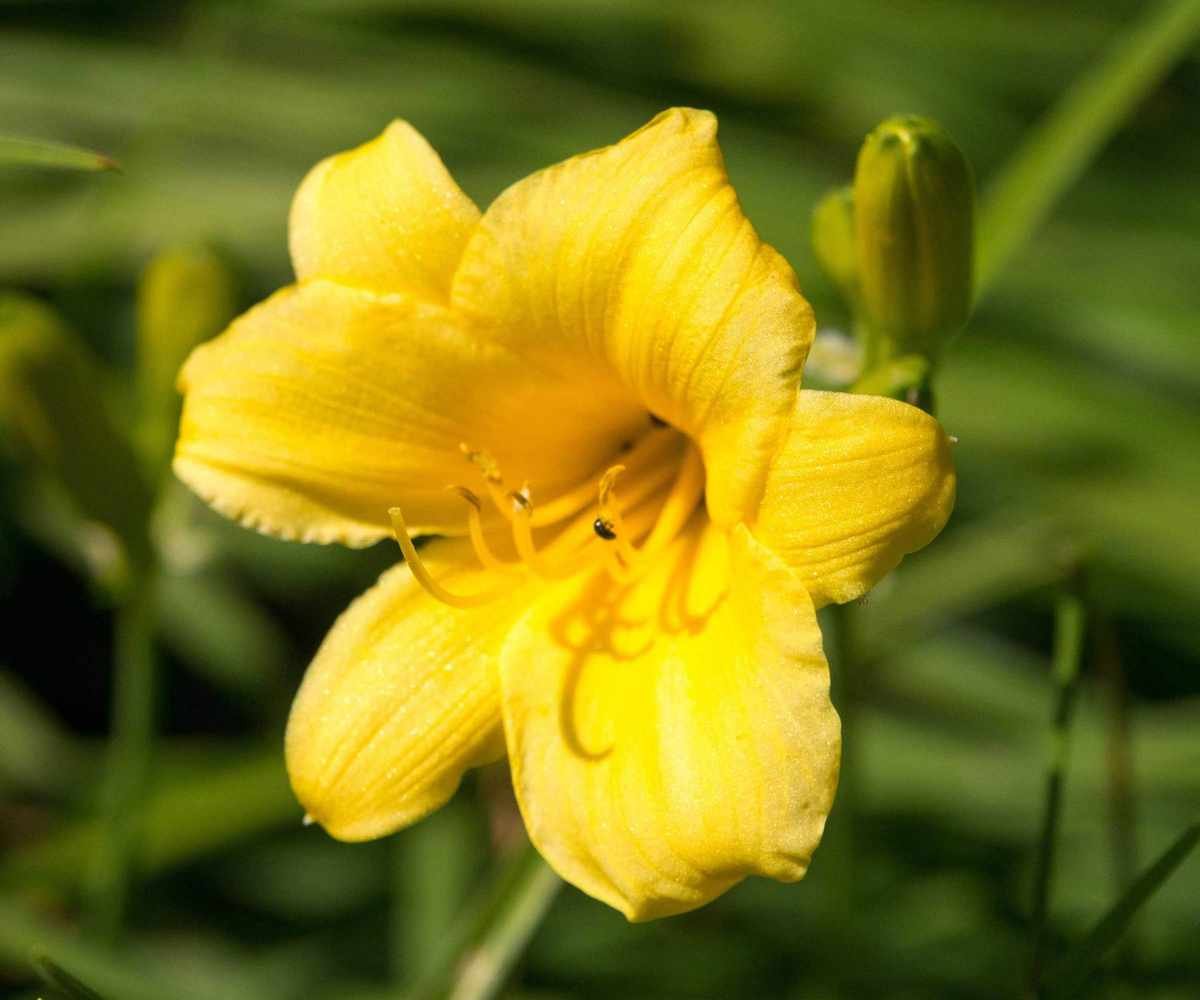
These plants can bloom beautifully year after year with proper care
Soil: As noted by Alexander Betz from Plant by Number, Stella d'Oro daylilies thrive in well-draining soil with a slightly acidic to neutral pH (6.0 to 7.0). 'They adapt well but flourish in fertile, loamy soil,' he explains. Kiersten Rankel, from the plant-care app Greg, adds, 'If your soil is dense or clay-like, consider enriching it with compost or sand to enhance drainage.'
Light: Full sun is optimal for vibrant blooms, states Alexander, although the plants can also handle partial shade. Anna Ohler, owner of Bright Lane Gardens, suggests, 'If you live in a region with extremely hot summers, consider a location with some afternoon shade, such as under a small tree, to prevent stress and scorching of the foliage.'
Watering: According to Kiersten, Stella d'Oro daylilies enjoy consistent moisture without sitting in waterlogged soil. 'Water them once a week, providing a deep soak to keep roots hydrated,' she recommends. 'During hotter or drier spells, you may need to increase watering frequency. Once established, these plants are somewhat drought-resistant but still benefit from regular watering for optimal blooming.' Anna advises using drip irrigation when possible, or watering at the base to avoid mold or mildew on the leaves.
Fertilizing: 'Fertilizing Stella d'Oro daylilies helps maintain their vigor and blooming throughout the season,' says Kiersten. 'Use a balanced, slow-release fertilizer in early spring as new growth begins. You can also apply a water-soluble fertilizer every four to six weeks during the growing season, but avoid over-fertilizing, as it can lead to more foliage than blooms.'
Pruning: Kiersten suggests deadheading during the blooming period to promote continuous flowering. 'At the end of the growing season, trim the foliage back to about four to six inches above the ground once it starts to yellow and die back. This prepares the plant for dormancy and reduces the chance of pests or diseases lingering in the foliage over winter.'
Toxicity: It's important to note that daylilies are highly toxic to cats. While they are generally less harmful to dogs, ingestion can still cause stomach upset and other issues, so it's best to keep pets away from these plants.
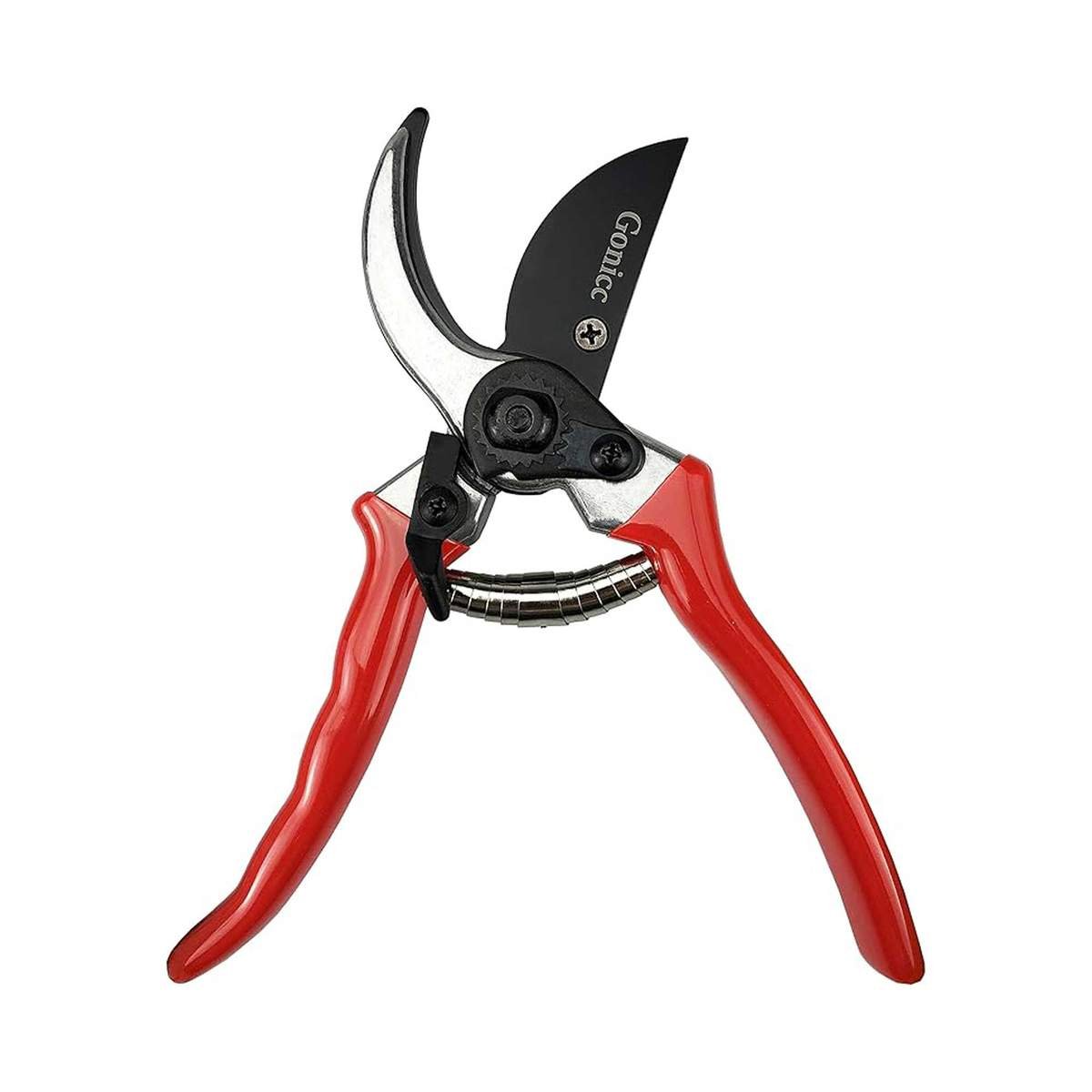
Highly rated gonicc 8" Bypass Pruning Shears
This ergonomically designed pair of pruners is ideal for deadheading spent daylily blooms and trimming back dead foliage in the fall.

Alexander Betz founded Plant By Number to simplify landscape design for anyone passionate about creating beautiful outdoor spaces. Recognizing the need for a more efficient planting method, he developed a system that uses traditional design files scaled and printed onto landscape fabric, making the process more accessible.

Kiersten Rankel is a certified Louisiana Master Naturalist who actively volunteers with community gardens and nonprofits to restore vital ecosystems along the Gulf Coast. She has a master's degree in Ecology and Evolutionary Biology from Tulane University, following her undergraduate degree in Environmental Biology from the same institution. In her free time, she enjoys hiking and caring for her extensive collection of houseplants and vegetable garden.
Frequently Asked Questions
How do you prepare Stella d'Oro daylilies for winter?
After cutting back the dead foliage in the fall, Anna Ohler recommends applying mulch around the base of the plants using dead leaves or wood chips to protect the roots from freeze-thaw cycles. 'In the spring, remove or thin the mulch,' she advises. For potted plants, consider moving them to a more sheltered spot and wrapping containers in frost cloths during particularly cold nights for added protection.
Do Stella d'Oro daylilies attract wildlife?
Absolutely, these beautiful blooms are excellent for butterfly gardens and will also attract hummingbirds to your yard.
If you're interested in adding more vibrant blooms to your summer garden, check out our guides on growing rudbeckia and coneflowers for more inspiration.


