
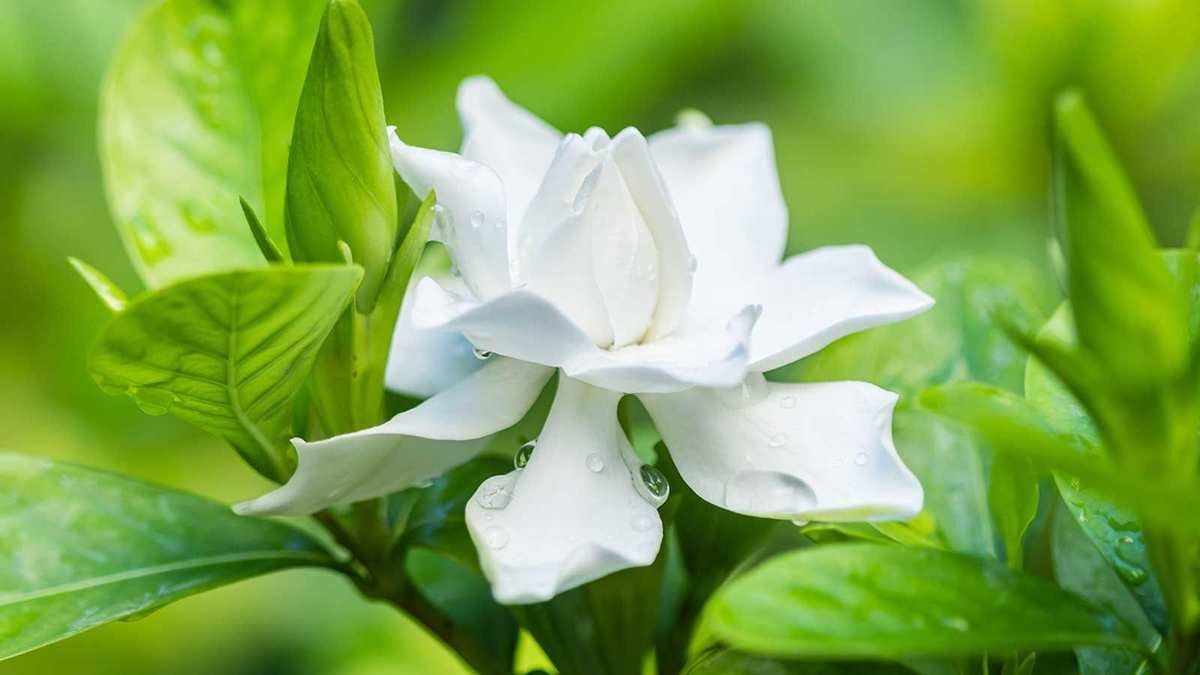
Q: I have a potted gardenia in my conservatory, and I adore its fragrant blooms. Lately, some of the vibrant green leaves have started turning yellow, which worries me. Why is this happening?
A: Gardenias are stunning fragrant plants suitable for conservatories and warmer outdoor areas. However, they can be quite sensitive to their environment, and yellowing leaves often signal an underlying issue.
Kiersten Rankel, a gardening expert, notes, 'Some yellowing on older leaves is typical, but widespread discoloration requires attention.' Here are the main causes and how to address them.
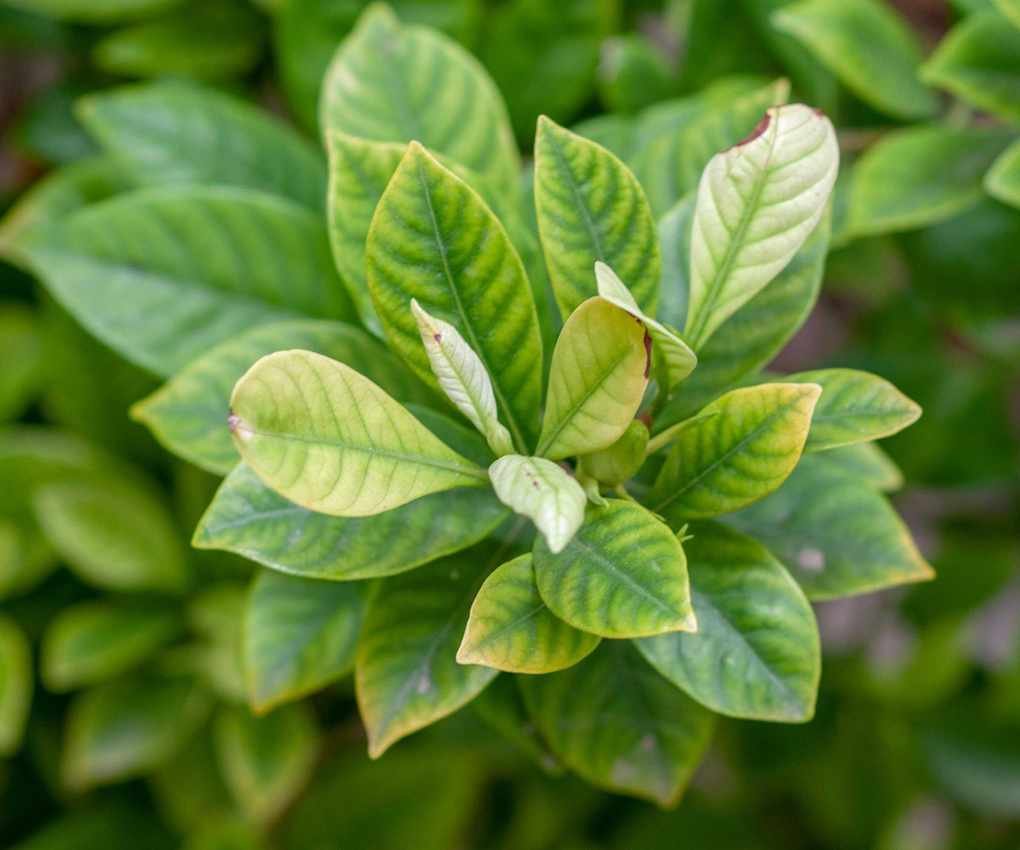
Yellowing leaves may indicate a problem
3 Main Causes of Yellow Leaves on Gardenias
Consider these common factors that might lead to yellow leaves, and learn how to restore your gardenia's health.
1. Nutrient Deficiencies
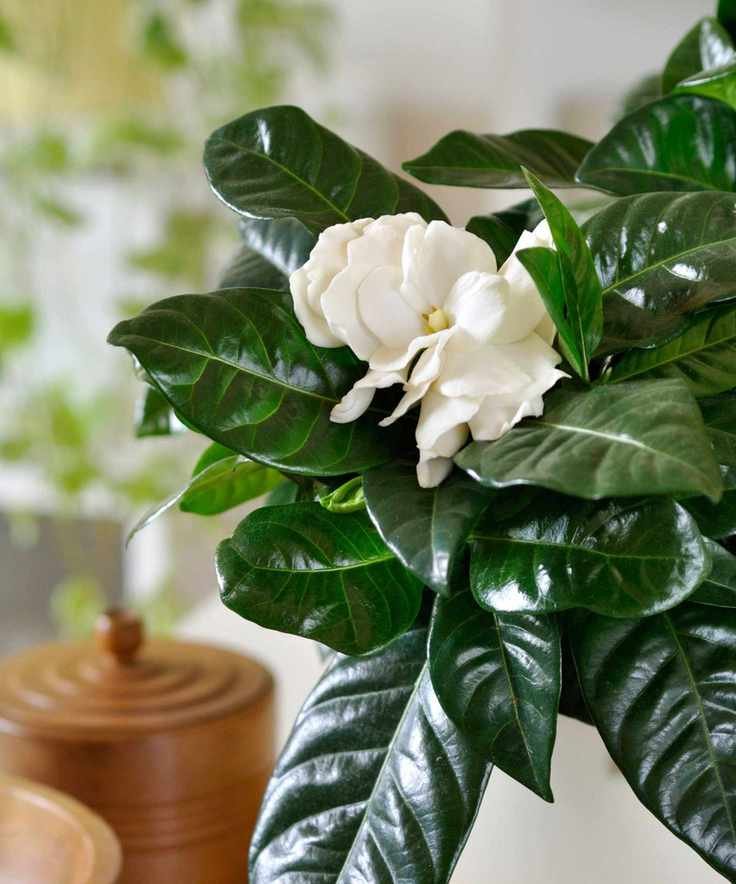
Opt for potting soil designed for acid-loving plants
'Iron deficiency is a common issue, leading to yellow leaves with green veins,' explains Kiersten. Brock Ingham from Bigger Garden adds that this occurs when plants struggle to absorb iron, often due to high soil pH, which gardenias dislike.
To prevent this, Brock suggests using a soil mix tailored for acid-loving plants and regularly checking the pH, ideally between 5.0 and 6.0. A recommended choice is this organic mix from Coast of Maine on Amazon and a soil pH meter from Amazon for moisture and light measurement.
For outdoor gardenias, Brock advises adding organic matter like compost to naturally reduce pH. Utilizing coffee grounds can also help acidify the soil.
If leaves already show signs of yellowing, a quick fix is applying a chelated iron product, either to the soil or as a foliar spray, to revive the leaves.
Gardenias may also suffer from other nutrient deficiencies affecting leaf color. To combat this, Brock recommends a balanced fertilizer for acid-loving plants, emphasizing regular feeding during the growing season.

2. Watering Problems
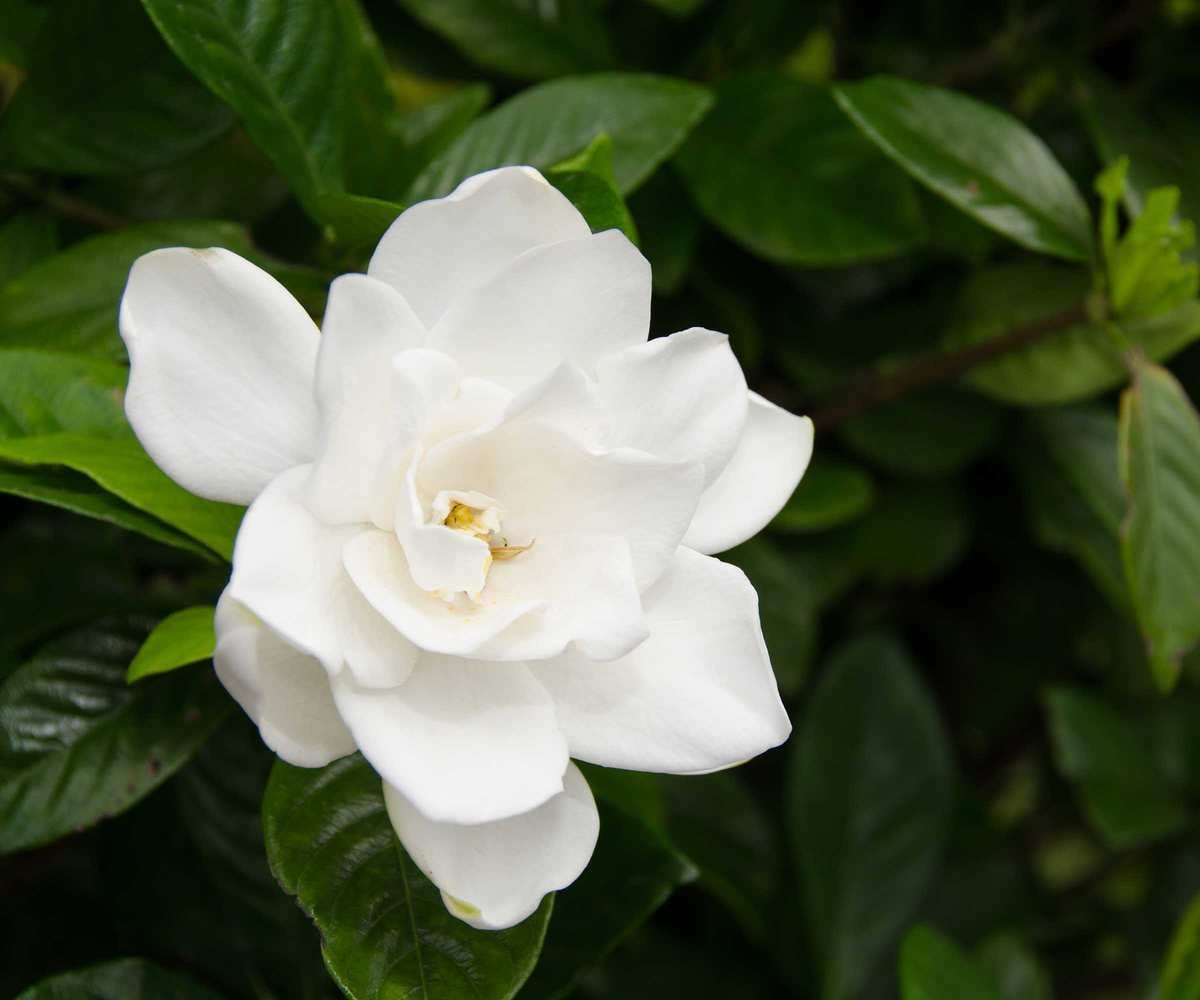
Improper watering can stress your gardenia
Incorrect watering is a frequent cause of yellow leaves. 'Overwatering can lead to root rot, especially in indoor plants, while underwatering leaves them stressed,' Kiersten warns. 'Find a balance where the soil remains moist but not soggy, watering when the top one to two inches dry out.'
Good drainage is vital for indoor gardenias. Kiersten suggests incorporating perlite or orchid bark for better soil structure and ensuring excess water is discarded from the pot saucer, as noted by Anastasia Borisevich of Plantum.
'Water thoroughly to soak the soil,' Anastasia advises. 'Less frequent, deeper watering promotes stronger root growth, which helps the plant endure drought and temperature shifts. In contrast, frequent shallow watering makes roots vulnerable.'
Top Tip: Brock recommends mulching to maintain consistent moisture levels for gardenias outdoors.

3. Improper Placement

Light and temperature are crucial factors
Kiersten advises that indoor gardenias may yellow if they lack sufficient light. Gardening expert Lisa Eldred Steinkopf agrees: 'Plants will shed leaves they can't sustain due to insufficient light.'
Indoor gardenias thrive in bright areas, avoiding harsh direct sunlight. Outdoor gardenias prefer partial shade—optimal with morning sun and afternoon protection, as Brock notes.
Temperature matters too; gardenias flourish in conditions between 60 to 75°F. Kiersten suggests shielding indoor plants from heating and drafts. Outdoor gardenias need protection from cold waves as well, so remember to bring potted ones indoors before chilly weather hits.
FAQs
Can pests lead to yellowing leaves in gardenias?
'Watch for pests like spider mites, whiteflies, or scale insects,' cautions Kiersten. 'These invaders can cause yellowing, but regular inspections and prompt treatments with insecticidal soap or neem oil can help manage them.' An effective choice is the Garden Safe ready-to-use spray from Amazon.
What should be done if gardenia leaves are yellow?
'If your gardenia shows distress, first identify the cause,' suggests Brock. 'Remove any severely yellow leaves to promote new growth and adjust your care routine as necessary.' Ensure you use sharp, clean pruners to avoid harming the plant.
With proper care, your plant should recover and produce new leaves over time, as Anastasia notes. 'If you can keep up with a gardenia's needs, it may reward you with blooms for up to 50 years!'
If you've noticed your snake plant turning yellow or your star jasmine leaves turning red, check out our guides for more tips to keep your plants healthy.


