
Cold weather doesn't mean you have to abandon your vegetable garden. Several wonderful vegetables can survive outdoors and yield fresh harvests throughout winter and into the spring months.
During my time growing and harvesting vegetables for chefs year-round, I often found myself braving the frost on winter mornings, collecting produce to deliver for evening meals.
When designing a kitchen garden, selecting hardy crops for overwintering is essential to maintain productivity year-round. I continue to grow winter vegetables in my allotment, enjoying the fruits of my labor even in the colder months. Based on my personal experience, here are ten outstanding vegetables to cultivate for winter harvests.
Reliable Vegetables to Overwinter with Ease
Choosing the right crops and providing protection for taller plants from harsh winds are crucial for successful overwintering. During winter, vegetables will require less watering and no fertilizing. Here are ten great vegetables to consider growing during the winter:
1. Leeks

Mastering the art of growing leeks gives you a fantastic vegetable to harvest throughout winter and into spring. These plants mature during summer and fall, ready for collection as needed during the colder months. Opt for mid or late-season leek varieties for winter harvests, as early types are less hardy and should be lifted in the fall.
A dependable leek variety I have cultivated for years is 'Musselburgh.' This type produces thick, short stems and withstands the cold exceptionally well. You can find 'Giant Musselburgh' leek seeds at True Leaf Market, which are resilient in chilly weather.
2. Cabbages

Various cabbage types are available, categorized by their harvest timing. Winter cabbages, as the name implies, are the hardiest varieties, with harvests typically occurring between November and February. Savoy cabbages, with their crinkled leaves, are among the most resilient.
Alternatively, you can grow spring cabbages, which are sown in early to mid-fall, allowing for harvests from mid-spring onwards.
'Savoy Perfection' is a particularly hardy cabbage variety suitable for climate zones three through twelve. This plant produces heads that measure approximately five to seven inches in diameter, surrounded by crinkled outer leaves.
3. Parsnips

Growing parsnips requires some patience, but the sweet roots harvested during winter make it worthwhile. They aren't among the easiest vegetables to grow and should be sown directly outdoors, as they don't transplant well. Sow seeds outdoors in well-prepared soil in mid to late spring, ensuring you clear stones to prevent forking.
Wait until after the first frosts to harvest parsnips, as the starches convert to sugars, resulting in sweeter roots. These hardy vegetables can be harvested as needed throughout winter. Covering the parsnips with straw can help prevent soil freezing and facilitate easier harvesting.
'Hollow Crown' parsnips take 100 to 120 days to mature and yield sweet roots up to 15 inches long. The mature parsnips can remain in the ground throughout winter, allowing for harvests whenever necessary.
4. Brussels Sprouts

Brussels sprouts are often associated with holiday meals, and they are remarkably resilient for winter growth.
Start your Brussels sprouts long before winter, as they require an extended growing season. Sow seeds indoors in early spring to plant them in the garden by mid to late spring. Late varieties will be ready for harvesting from November onward, and you can continue to collect Brussels sprouts until early spring.
Staking the plants can provide support against winter damage, while the sprouts will taste even sweeter after exposure to frost.
5. Jerusalem Artichokes

Known as sunchokes, Jerusalem artichokes are hardy crops that produce underground tubers harvestable throughout the winter. I have spent many chilly mornings digging in the earth to gather these tubers for restaurants.
Growing Jerusalem artichokes is straightforward; it's often as simple as planting them in spring and providing minimal care, like watering during prolonged dry spells, then harvesting from late fall onward. Take care not to leave any tubers in the ground, as they will sprout again next year.
6. Kale

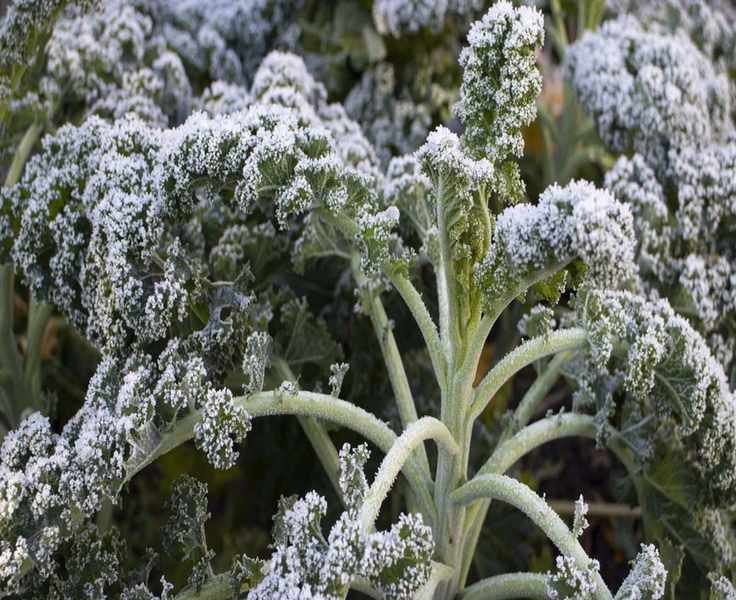
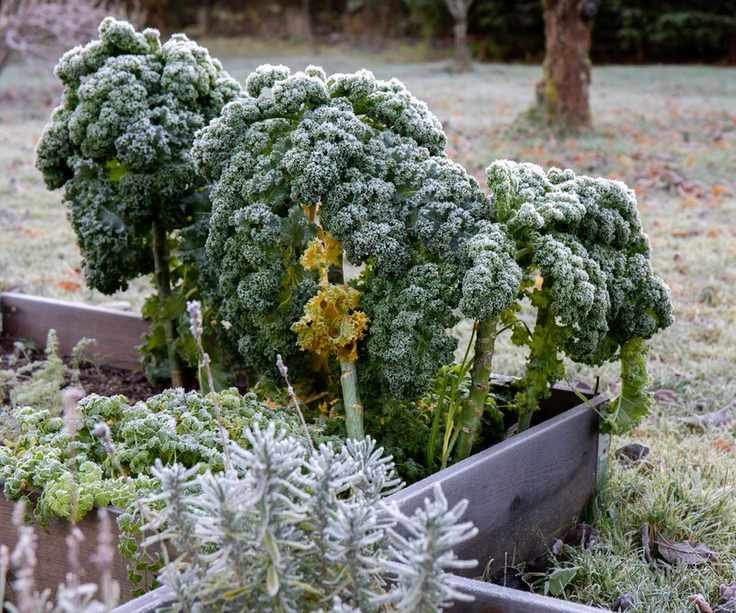
Kale consists of various hardy brassicas that can survive outdoors and be harvested throughout the winter. The leaves come in an array of colors and shapes, from curly to strap-leaved, and the crop is packed with vitamins and minerals.
This cold-season crop can be harvested from summer into spring due to succession planting. By selectively removing individual leaves, you can extend the harvest period. Just be cautious not to remove leaves from the top rosette, as this could hinder new growth.
I particularly enjoy Tuscan kale, also referred to as cavolo nero, lacinato kale, or dinosaur kale, which can thrive in US hardiness zones 2 to 11.
You can find varieties of heirloom kale, such as Lacinato, which produces heavily crinkled blue-green leaves rich in flavor.
7. Garlic

Garlic is an easy vegetable to overwinter. Growing garlic usually begins in the fall, as growers plant it to give the crop the long growing period it requires.
Fall-planting varieties of hardneck and softneck garlic can be planted in October or November; the cloves will withstand winter frosts while benefiting from exposure to cold temperatures. The cold helps the crop form a good bulb, ensuring a successful garlic harvest the following summer.
8. Spinach
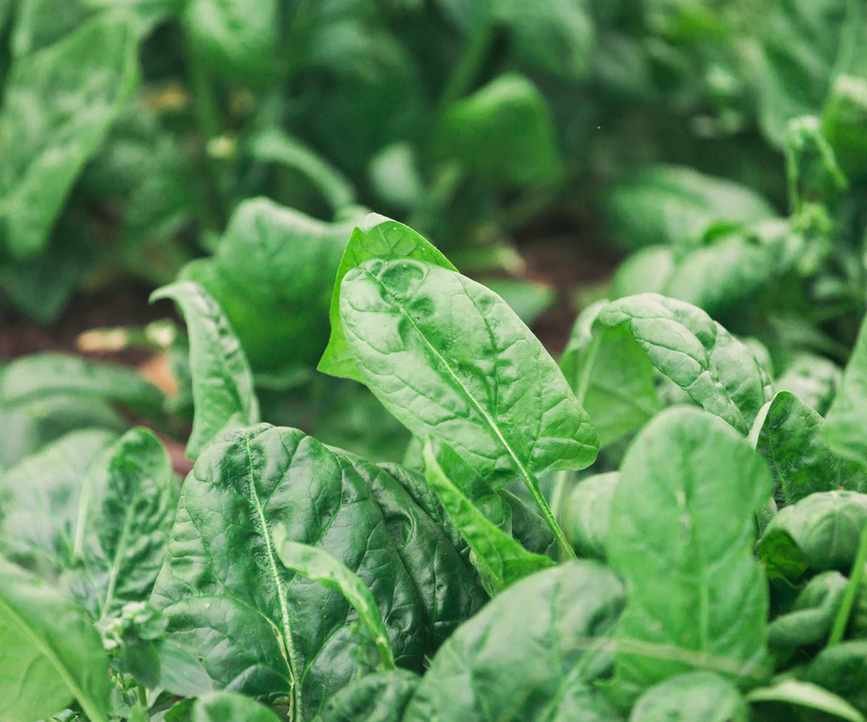
Spinach is a highly productive cool-weather crop that is packed with nutrients and fiber. The winter cultivars of spinach are hardy enough to survive outdoors but may benefit from cloches or horticultural fleece, available at Amazon, in colder climates.
These hardy varieties can provide spinach leaves from October to April. Harvest individual leaves for an extended cropping season, and you can find a selection of spinach seeds available at True Leaf Market.
9. Fava Beans
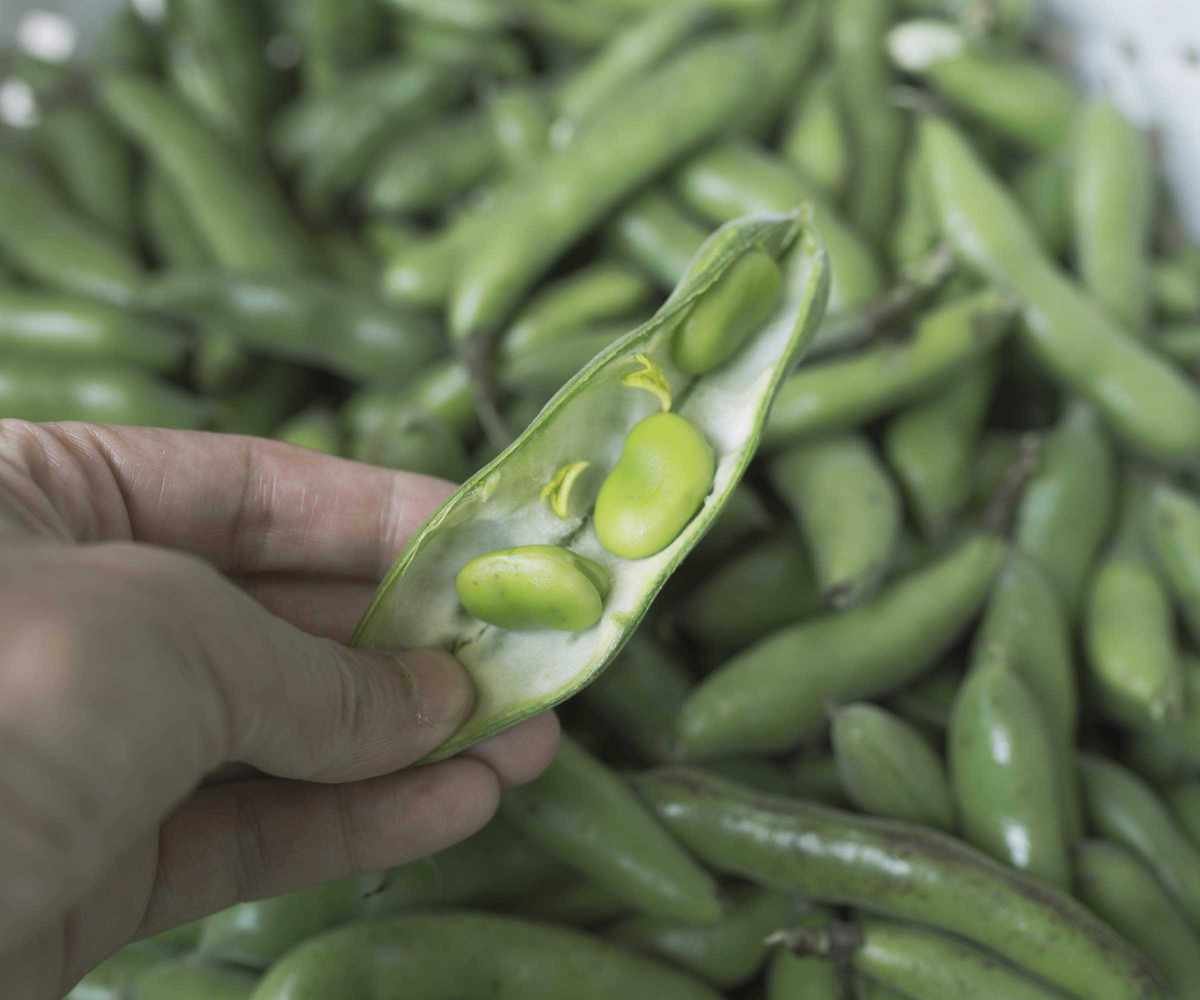
Overwintering fava beans is a great strategy for an earlier crop the following spring.
Sowing hardy fava bean varieties in the fall suits milder climates and soil that doesn't retain too much moisture over winter. Planting fava beans directly into the ground in fall is recommended for those in US hardiness zones 5 and above, as cold snaps and wet winters can lead to seed rot.
The hardy 'Aquadulce' variety is highly recommended and can yield a harvest of fava beans around mid-spring.
10. Corn Salad

Corn salad, also known as lamb's lettuce, vit, or mache, is a very resilient winter vegetable that can be harvested during the colder months.
This low-growing, quick-growing vegetable produces rosettes of nutty leaves that withstand cold and frost. Sowing seeds in late summer or early fall will provide plants ready for harvest from late fall onward, and you can either cut individual leaves for a continuous harvest or harvest the entire rosette.
You can find Vit, a French variety of corn salad that is excellent for cool-weather harvests and ideal for winter salads, producing long, glossy green leaves with a delicate, nutty flavor.
FAQs
Can carrots be left in the ground during winter?
Carrots can be left in the ground through winter in milder regions. Mulching them with straw can protect these root crops from the harshest frosts, allowing for ongoing harvesting as needed.
Is it possible to leave potatoes in the ground over winter?
Growing potatoes allows for a long harvest season through various planting types. While harvested potatoes can be stored for months if done correctly, leaving them in the ground during winter is not advisable. This is particularly true in colder climates or heavy soils, as tubers may rot in wet, cold conditions. Potatoes left in the ground are also more vulnerable to pests like slugs and wireworms.
Additionally, I would like to mention Swiss chard as an honorable mention. This vegetable can survive without protection in temperatures down to 15°F, but it may benefit from being covered with a cloche to protect the leaves from severe winter weather. I have successfully harvested Swiss chard leaves throughout winter and into spring, regardless of whether it was covered.


